Vpn on microsoft edge: how to set up a VPN on Microsoft Edge, use Edge extensions, and secure browsing 2026
'%2F%3E%3Ctext%20x%3D'50%25'%20y%3D'50%25'%20dy%3D'.35em'%20text-anchor%3D'middle'%20font-family%3D'-apple-system%2CBlinkMacSystemFont%2CSegoe%20UI%2Csystem-ui%2Csans-serif'%20font-size%3D'100'%20font-weight%3D'600'%20fill%3D'%23fff'%3EMN%3C%2Ftext%3E%3C%2Fsvg%3E) Mira Navarrete·April 11, 2026·24 min
Mira Navarrete·April 11, 2026·24 min
Vpn on microsoft edge how to set up a vpn on microsoft edge use edge extensions and secure browsing — A practical guide to boosting privacy and security while you browse
Vpn on microsoft edge how to set up a vpn on microsoft edge use edge extensions and secure browsing — Quick fact: you can enable a VPN-like experience directly in Edge using built-in features and trusted extensions. This guide breaks down how to set up a VPN on Microsoft Edge, choose the right edge extensions, and keep your browsing secure. Here’s a concise roadmap:
- Why use a VPN with Edge
- Built-in Edge security features you should know
- Step-by-step setup: Edge’s built-in options plus edge extensions
- Tips for secure browsing and performance
- Common mistakes and how to fix them
Useful URLs and Resources text only Apple Website - apple.com Artificial Intelligence Wikipedia - en.wikipedia.org/wiki/Artificial_intelligence Microsoft Edge support - support.microsoft.com/en-us/microsoft-edge VPN.com - vpn.com WhatIsMyBrowser - whatismybrowser.com Firefox About VPNs - blog.mozilla.org/privacy
Why you might want a VPN on Microsoft Edge
Using a VPN with Edge helps mask your IP address, encrypts traffic, and can bypass regional content blocks. According to recent reports, a growing share of online traffic is encrypted and routed through VPNs to protect personal data on public Wi-Fi networks. A good Edge VPN setup also reduces tracking by advertisers and improves privacy when you’re on shared devices.
- Privacy boost: hides your real location and browsing patterns
- Security on public networks: encrypts data on Wi-Fi
- Access to region-restricted content: better opportunities for streaming or research
- Lightweight options: many Edge extensions are low in system impact
Edge’s built-in security features you should know
Microsoft Edge has several security and privacy features that work well with or without a VPN:
- Secure browsing: Microsoft Defender SmartScreen helps block malicious sites and downloads.
- HTTPS-Only Mode: automatically upgrades many sites to secure connections.
- Tracking prevention: three levels Basic, Balanced, Strict to limit trackers.
- InPrivate browsing: doesn’t save history, cookies, or form data though it doesn’t make you invincible—VPN is still useful here.
- Password health, password monitor, and sign-in protection features built into Edge.
How to set up a VPN on Microsoft Edge: built-in options and extensions
Option A: Use Edge’s built-in or Microsoft-provided privacy tools
Edge doesn’t include a built-in VPN in the classic sense, but you can combine Edge features with system-wide VPNs or use Edge profiles to manage privacy settings.
- Use a system-wide VPN app: Install a reputable VPN service on your device Windows/macOS. Once installed, connect via the VPN app; Edge traffic will route through the VPN when the system-wide VPN is active.
- Enable HTTPS-Only mode: Go to Settings > Privacy, search, and services > HTTPS-Only Mode > Turn on.
- Configure Tracking prevention: Settings > Privacy, search, and services > Tracking prevention > Choose your level Balanced is a good default.
How to use system-wide VPN with Edge step-by-step:
- Choose a trusted VPN provider and sign up.
- Install the Windows or macOS VPN client.
- Open the VPN app and connect to a server.
- Open Edge and browse; check your IP at a site like whatismyipaddress.com to confirm the VPN is active.
Pros: Simple, broad protection across all apps. Cons: Slightly higher latency, depends on VPN service quality. Vpn microsoft edge android guide to secure browsing on Android with Edge VPNs and practical setup 2026
Option B: Edge extensions that act as VPNs or privacy enhancers
Edge supports extensions from the Microsoft Edge Add-ons store. Some extensions provide VPN-like functionality proxy-based, while others focus on privacy and blocking trackers.
Popular Edge extensions for privacy and VPN-like features:
- Windscribe VPN
- ZenMate VPN
- TunnelBear VPN
- Hola VPN note: some services have limitations or security concerns; research before use
- uBlock Origin not a VPN, but blocks ads and tracking for faster, safer browsing
- HTTPS Everywhere ensures secure connections where possible
How to install an Edge extension:
- Open Edge and go to the Edge Add-ons store.
- Search for the extension e.g., Windscribe.
- Click Add to Edge and confirm.
- Follow on-screen setup prompts you may need to create an account for the VPN extension.
- Enable the extension and select a server/location if applicable.
- Test by visiting a site that shows your IP to confirm the extension is routing traffic as intended.
Important notes about Edge extensions:
- Not all extensions route all traffic through a VPN tunnel; some act as a proxy or privacy shield.
- Performance varies by extension, server load, and your connection.
- Always review permissions requested by an extension; avoid extensions that request access to sensitive data beyond browsing needs.
Step-by-step: using a VPN extension in Edge
- Pick a reputable VPN extension from the Edge Add-ons store.
- Install and log in some require a paid plan; others have free tiers with limits.
- Choose a server location and connect.
- Verify your IP address has changed using an IP check site.
- If you experience slowdowns, switch servers or disable heavy extensions that compete for bandwidth.
Option C: Edge profiles for safer browsing
Edge profiles let you separate work, personal, and test activities. Use a dedicated profile for sensitive browsing, and pair it with a VPN extension or system VPN for that profile. Vpn extension edge free guide for browsers on Windows macOS Android iOS 2026: setup, performance, verdict
How to create a new Edge profile:
- Click your profile icon in the top-right corner.
- Choose Add profile and follow the prompts.
- Switch to the new profile when you want isolated browsing sessions.
Best practices for secure browsing with Edge and a VPN
- Always enable HTTPS-Only Mode for a safer baseline.
- Use Tracking Prevention and a balanced level for everyday browsing; switch to Strict for sensitive sessions if you can tolerate some site breakage.
- Keep Edge up to date. Browser updates include security fixes that protect you even when not using a VPN.
- Choose a reputable VPN provider with a clear privacy policy no-logs, jurisdiction, and data handling.
- Test your setup: visit a site like whatismyipaddress.com to verify your real IP isn’t leaking.
- Be mindful of DNS leaks; some VPNs offer DNS leak protection, which is crucial for true privacy.
- Avoid suspicious extensions; stick to well-known, trusted names from the Edge Add-ons store.
- Use multi-factor authentication MFA for your VPN and Edge accounts where available.
Data, stats, and trends you should know
- Global VPN market size has grown steadily in the last few years, reflecting increasing demand for privacy and secure remote work.
- Public Wi-Fi risk remains high: data exposure on open networks is well-documented, making VPNs a common safety net for mobile users.
- Browser privacy features continue to evolve, with Edge incorporating stronger tracking prevention and secure connection options across updates.
- Extension-based privacy tools can vary in effectiveness; always verify claimed capabilities with independent tests or reviews.
Comparing Edge VPN options: quick reference
- Built-in Edge features: Great for basic privacy with HTTPS-Only mode and tracking prevention, but not a true VPN tunnel.
- System-wide VPN: Best for full-device protection; consistent performance depends on the VPN service.
- VPN extensions: Convenient for browser-only protection; may provide faster per-site protection but rely on extension security and server availability.
- Privacy extensions not VPNs: Block ads and trackers, improve speed, and reduce fingerprinting, but don’t encrypt all traffic.
| Option | Coverage | Pros | Cons |
|---|---|---|---|
| System-wide VPN app | All traffic | Strong privacy, consistent across apps | Possible latency, subscription cost |
| Edge VPN extension | Browser traffic | Easy, quick setup | May not cover all traffic, depends on extension |
| HTTPS-Only + Tracking Prevention | Browsing features | Improves security without VPN | Does not encrypt traffic or mask location |
| Privacy extensions ads/tracker blockers | Browsing improvements | Faster page loads, less tracking | No encryption, limited to blocking |
Common pitfalls and fixes
- Pitfall: Real IP leak despite VPN Fix: Ensure the VPN is connected properly; enable DNS leak protection if your VPN supports it; consider using a trusted DNS service.
- Pitfall: Slow performance Fix: Switch servers, reduce encryption strength if allowed, close bandwidth-heavy extensions, or upgrade your VPN plan.
- Pitfall: Site breakage with strict tracking prevention Fix: Temporarily reduce tracking level for those sites or whitelist them; some sites require certain cookies to function.
- Pitfall: Edge extension security concerns Fix: Install only from the official Edge Add-ons store, review permissions, and maintain extensions with updates.
Practical cheatsheet for quick setup
- Quick Start 1: System-wide VPN
- Install a reputable VPN app
- Connect to a preferred server
- Open Edge and verify new IP
- Quick Start 2: Edge extension VPN
- Add a trusted VPN extension from Edge Add-ons store
- Log in and connect
- Test IP to ensure tunnel is active
- Quick Start 3: Privacy-first browsing in Edge
- Enable HTTPS-Only Mode
- Set Tracking Prevention to Balanced or Strict
- Use a privacy extension like uBlock Origin for ad/tracker blocking
Edge-specific tips for performance and privacy
- Pin your most-used extensions to the toolbar for faster access, but avoid loading too many at once.
- Regularly clear cookies from sites that don’t need to persist data, while keeping essential logins intact.
- Use Edge’s profile separation to keep work traffic separate from personal browsing with its own VPN setup.
- Check your VPN’s kill switch feature; enable it to prevent data leaks if the VPN drops unexpectedly.
- If you’re on a mobile device, ensure the Edge app and VPN app are both up to date; mobile VPN handling can differ from desktop.
Troubleshooting quick-fixes
- No VPN connection after update: re-authenticate the extension or re-install the VPN app, then relaunch Edge.
- Sites not loading with VPN: switch server location or try a different VPN extension; ensure HTTPS-Only mode is not blocking content.
- DNS leaks detected: enable DNS leak protection in the VPN app and consider changing DNS settings on your device.
Advanced configurations for power users
- Split tunneling where available: Route only certain apps or domains through the VPN; Edge traffic can be selectively protected while other apps use your regular connection.
- Custom DNS with VPN: Some VPNs offer private DNS within the service; enabling it can reduce leakage and improve privacy.
- Edge Group Policy for enterprise: IT admins can push Edge privacy configurations and VPN profiles to multiple machines in a corporate environment.
Security hardening beyond VPN
- Use strong, unique passwords and MFA for all accounts.
- Regularly update Edge and your extensions to patch vulnerabilities.
- Consider a privacy-focused search engine as your default when not using the VPN.
- Disable unnecessary browser features that could leak data or fingerprints when not needed.
Summary recap
- Edge supports privacy-heavy browsing through built-in features, system-wide VPN apps, and VPN extensions from the Edge Add-ons store.
- For robust protection, use a trusted system-wide VPN in combination with Edge’s security features, or pair a reliable VPN extension with HTTPS-Only mode and Tracking Prevention.
- Always verify your IP and test for leaks after changing VPN settings or installing new extensions.
- Stay aware of the limits of each approach and tailor your setup to your privacy needs and performance tolerance.
Frequently Asked Questions
How do I set up a VPN on Microsoft Edge?
You can set up a VPN on Edge by using a system-wide VPN app and connecting it at the device level, or by installing a trusted VPN extension from the Edge Add-ons store and enabling it within the browser. Then verify your new IP on a site like whatismyipaddress.com.
Is HTTPS-Only Mode in Edge enough for privacy?
HTTPS-Only Mode improves security by encrypting connections to many sites, but it does not hide your location or encrypt all browser traffic. Combine it with a VPN or privacy extensions for stronger protection.
Do Edge extensions provide real VPN protection?
Some extensions offer VPN-like capabilities proxy-based, but not all provide a full VPN tunnel. They can improve privacy for browser traffic but may not encrypt every application’s data. Tuxler vpn edge rotating proxy VPN guide: features, setup, use cases, and comparisons 2026
Can I use Edge Tracking Prevention with a VPN?
Yes. Tracking Prevention helps reduce trackers in Edge, while a VPN provides encryption and IP masking. They complement each other for better privacy.
Will a VPN slow down my browsing?
VPNs can introduce extra latency due to routing through a remote server. Performance depends on server location, VPN provider quality, and your base internet speed.
Should I use a paid VPN or a free VPN extension?
Paid VPNs generally offer better privacy, fewer data limits, and stronger security. Free VPNs often come with bandwidth caps, data logging, or weaker protections. Do thorough research before choosing.
How can I prevent DNS leaks with a VPN on Edge?
Choose a VPN that offers DNS leak protection and enable it within the VPN settings. You can also configure your device DNS to a secure resolver if supported by your VPN.
How do I test if my VPN is working on Edge?
Visit a site like whatismyipaddress.com or iplocation.net to confirm your IP address and location reflect the VPN server rather than your actual location. Tunnelbear vpn chrome extension setup, features, security insights, pricing, and comparisons for 2026
What should I do if a site doesn’t work with a VPN extension?
Try a different server location, disable the extension temporarily, or switch to a system-wide VPN. Some sites block traffic through certain proxies or VPNs.
Can I use multiple VPNs at once in Edge?
Typically no. Running multiple VPNs simultaneously can cause conflicts. Use one trusted VPN extension or system-wide at a time and switch servers as needed.
Yes, you can use a VPN on Microsoft Edge by installing a VPN extension or configuring a system-wide VPN. In this guide, you’ll get a practical, step-by-step approach to protect your browsing in Edge, unblock geo-restricted content, and keep your data safer online. Below you’ll find a mix of quick-start steps, deeper setup options, and practical tips to optimize performance and privacy. If you’re after a fast setup, NordVPN is a solid option — check out this deal:
Useful URLs and Resources:
- Microsoft Edge add-ons store - https://www.microsoftedge.com/addons
- Microsoft Edge help and support - https://support.microsoft.com/en-us/edge
- Windows VPN setup guide - https://support.microsoft.com/en-us/help/17173/windows-10-connect-to-a-vpn
- NordVPN - https://nordvpn.com
- ExpressVPN - https://www.expressvpn.com
- Surfshark - https://surfshark.com
- OpenVPN - https://openvpn.net
- WireGuard - https://www.wireguard.com
What is a VPN and why use it with Edge?
A VPN virtual private network creates a secure, encrypted tunnel for your internet traffic between your device and a VPN server. It masks your IP address, helps protect your data from prying eyes on public Wi‑Fi, and can bypass certain regional restrictions. When you run a VPN through Edge, you’re either using a browser extension that routes browser traffic or a system-wide VPN that Edge uses just like any other app. Here’s why this matters: Touch vpn for edge browser: how to install, configure, and maximize privacy on Edge (Chromium) in 2026
- Privacy and security: Your browsing data becomes harder to monitor on shared networks.
- Geo-unblocking: Access content that might be limited to other regions.
- Consistency: A system VPN protects all traffic, not just what Edge loads, which can be helpful if you also use other apps.
Common misconceptions:
- Some people think browser extensions and system VPNs are the same. They aren’t: extensions route browser traffic. system VPNs route all traffic from your device.
- A VPN doesn’t magically make you anonymous. it hides your IP and encrypts data, but you still need good browsing hygiene and up-to-date software.
Key stats you might find relevant:
- The global VPN market is projected to grow substantially in the next few years, with expectations of double-digit growth driven by privacy concerns and remote work trends.
- OpenVPN and WireGuard are among the most widely adopted protocols, with WireGuard offering lower overhead and faster handshakes in many real-world tests.
- A strong VPN with a no-logs policy, a proven kill switch, and robust DNS leak protection is essential for reliable Edge usage.
Browser-based VPN extensions for Edge
Edge supports browser extensions just like Chrome does, so you can install VPN extensions from the Edge Add-ons store or from providers’ Chrome-compatible catalogs. Here’s how to get a browser-based VPN up and running:
- Step-by-step: Installing a VPN extension in Edge
- Open Microsoft Edge and go to the Extensions menu three dots menu > Extensions.
- Click Open Microsoft Edge Add-ons or visit the Edge Add-ons store.
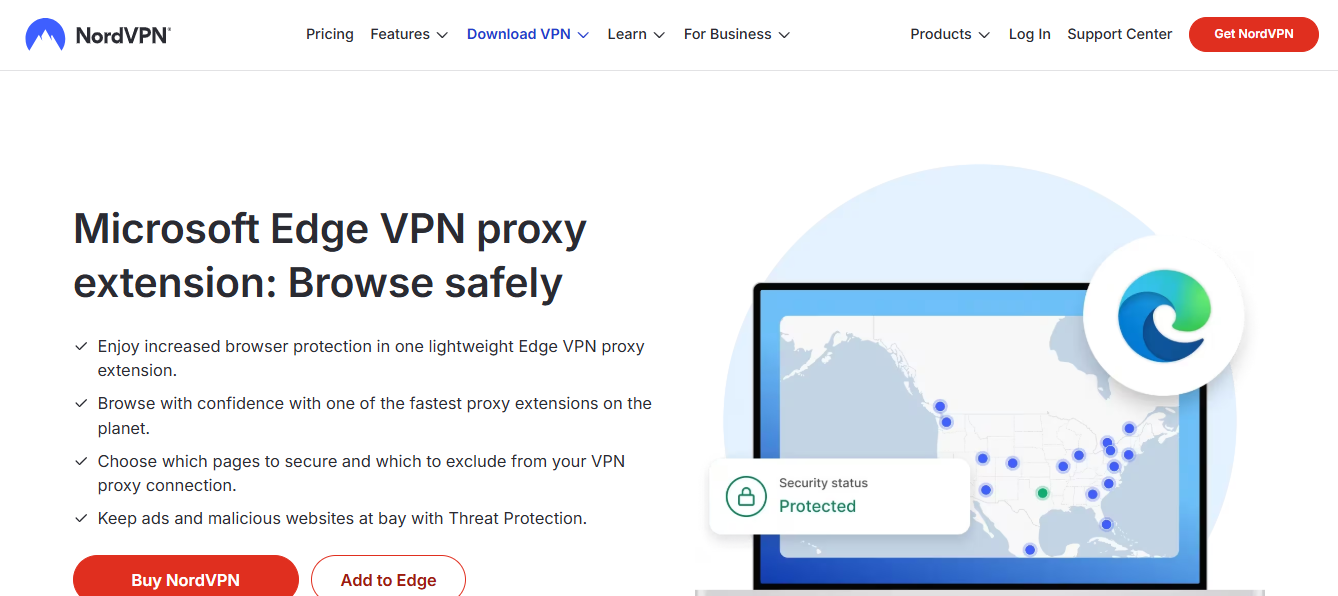
- Search for a VPN extension e.g., NordVPN, ExpressVPN, Surfshark, or others you trust.
- Click Get or Install, then follow the prompts to add the extension to Edge.
- Sign in to your VPN account within the extension, choose a server, and toggle the VPN on.
- Pros of browser-based VPNs in Edge:
- Quick, lightweight setup without touching system settings.
- Fine-tuned control for which browser traffic goes through the VPN.
- Sometimes cheaper or simpler for just browser protection.
- Cons to know:
- It only protects traffic inside Edge, not other apps on your device.
- Some extensions may introduce browser performance overhead.
- Recommended approach:
- If your primary use case is browsing in Edge and streaming inside the browser, a trusted Edge extension is convenient.
- If you want uniform protection across all apps, go with a system-wide VPN.
Tips for choosing an Edge extension:
- Look for a provider with a polished Edge extension, clear kill switch where applicable, and reliable DNS leak protection.
- Check privacy policy and data handling: a reputable provider should have a transparent no-logs stance.
- Verify server count and locations to support your desired regions.
Edge extension setup tips: Vpn for edge free: an in-depth, user-friendly guide to private, fast browsing with edge-friendly VPNs 2026
- Enable the “Always-on” or “Ask before connecting” option based on your privacy preference.
- If you’re concerned about DNS leaks, enable a built-in DNS protection option in the extension if available.
- Test for IP leaks using a site like ipinfo.io or dnsleaktest.com after connecting.
Setting up a system-wide VPN on Windows to use with Edge
If you want Edge to ride on a VPN that covers all your network traffic not just Edge’s, set up a system-wide VPN in Windows. This is especially helpful if you use other apps besides Edge or switch between networks frequently.
- Quick-start guide:
- Open Windows Settings > Network & Internet > VPN.
- Click Add a VPN connection.
- For VPN provider, choose Windows built-in. Fill in the connection name, server address, VPN type automatic/OpenVPN if your provider supports it, and sign-in info username/password, certificate, or a stored credential.
- Save, then select the VPN and click Connect. You’ll be routed through the VPN for all traffic including Edge.
- Choosing the right protocol:
- OpenVPN UDP/TCP is widely supported and reliable.
- WireGuard is fast and efficient, often yielding lower latency.
- Some providers offer their own lightweight protocols optimized for speed.
- Pros of a system-wide VPN:
- All apps Edge and non-Edge are protected.
- Simple switch between VPN servers from the Windows taskbar.
- Cons:
- Could introduce some latency or slower speeds across the board, depending on server load and network conditions.
- Requires more configuration initially, especially for corporate networks or custom setups.
Best practice when using a system-wide VPN with Edge:
- Prefer a reputable provider with a strict no-logs policy and a proven track record.
- Use a kill switch to prevent accidental data leaks if the VPN drops.
- Enable DNS leak protection to ensure DNS queries don’t bypass the VPN tunnel.
Pros and cons of browser vs system VPN for Edge
- Browser VPNs Edge extensions:
- Pros: Quick, browser-specific control. avoids impacting other apps. easier to disable when not needed.
- Cons: Does not encrypt traffic from other apps. depends on browser workload. some extensions may introduce extra permission requirements.
- System VPNs:
- Pros: Protects all traffic Edge and non-Edge. consistent protection on all devices. better for complete privacy across the OS.
- Cons: Slightly more setup. can affect all network performance. if the VPN dies, all traffic is affected.
Choosing between them often comes down to your use case:
- If you mainly browse and stream inside Edge, browser extensions offer convenience.
- If you want comprehensive protection for your entire device, go with a system-wide VPN.
Best VPN extensions for Edge 2025
Here are some popular choices that tend to work well with Edge. Check the Edge Add-ons store for the latest versions and reviews.
- NordVPN: Known for robust encryption, a large server network, and a user-friendly extension. Supports OpenVPN and WireGuard protocols in many configurations.
- ExpressVPN: Strong performance and good privacy features. easy to use in Edge with reliable server options.
- Surfshark: Unlimited device connections, good price-to-feature balance, and solid Edge extension integration.
- CyberGhost: User-friendly, with many servers optimized for streaming. good for beginners.
- Private Internet Access PIA: Transparent privacy practices, customizable settings, and strong encryption options.
Quick testing steps after installation: Vpn with china location 2026
- Connect to a server in a location of your choice.
- Verify your IP address and location appear correctly on a site like whatismyip.com.
- Run a DNS leak test dnsleaktest.com to confirm DNS requests are not leaking outside the VPN tunnel.
Performance and privacy considerations
- Speed and latency: VPNs add some overhead due to encryption and routing. WireGuard-based services tend to offer lower latency and faster speeds in many scenarios.
- Kill switch: A must-have feature to prevent data leaks if the VPN connection drops. Verify that Edge traffic doesn’t leak when switching servers or network conditions.
- DNS leak protection: Ensure the VPN provider offers DNS leak protection to keep your DNS queries inside the VPN tunnel.
- Logging policy: Look for a transparent no-logs policy and independent audits if possible.
- WebRTC leaks: Some browsers can leak IP information via WebRTC. Some VPN extensions mitigate this, but you may also want to disable WebRTC in Edge when privacy is critical.
- Split tunneling: Useful if you want only certain Edge traffic to go through the VPN while other traffic goes through your regular connection. Availability varies by provider.
Streaming, geo-unblocking, and Edge
- Netflix, Hulu, BBC iPlayer, and other streaming services sometimes detect VPN usage. A reputable VPN with a broad server network and dedicated streaming servers often helps bypass geoblocks.
- The Edge browser itself doesn’t guarantee bypassing regional restrictions. it’s the VPN tunnel that matters. If a service blocks known VPN IPs, you may need to switch servers or contact support for recommended streaming servers.
- Some providers offer “optimized streaming servers” that are less likely to be flagged by streaming platforms. If you frequently stream, prioritize those options.
Security considerations specific to Edge
- Keep Edge up to date: Browser updates fix security vulnerabilities and improve compatibility with extensions.
- Review extension permissions: Only install extensions from trusted providers and review the permissions they request.
- Avoid relying solely on a browser extension for sensitive activities. combine with a system-wide VPN if you need full-device protection.
- Use strong, unique passwords and enable multi-factor authentication MFA for your VPN account.
- Regularly audit extensions: Remove ones you don’t use to minimize attack surfaces.
Mobile usage: Edge on iOS and Android
- On mobile devices, you typically install a VPN app and configure the system VPN, then run Edge as your browser. Edge extensions on mobile are more limited than on desktop, so most users rely on the OS-level VPN rather than browser-only VPNs.
- Steps to use a VPN on mobile with Edge:
- Install a reputable VPN app from the App Store or Google Play.
- Follow the app’s setup flow to enable the system VPN.
- Open Edge and browse as usual. your traffic is protected by the system VPN.
Troubleshooting common issues
- VPN won’t connect in Edge:
- Check server availability. try a different server.
- Ensure your account is in good standing and the subscription is active.
- Restart Edge or the entire device, then reconnect.
- Slow speeds:
- Try a different server or protocol e.g., switch from OpenVPN to WireGuard if available.
- Close other bandwidth-heavy apps and check for background updates.
- DNS leaks:
- Turn on DNS leak protection in your VPN extension or app.
- Flush DNS cache on your device and re-test.
- IP address not changing:
- Confirm you’re connected to the VPN and not on a separate network path e.g., public Wi-Fi with captive portals.
- Disable and re-enable the VPN. re-check IP.
Quick-start checklist
- Decide between Edge browser extensions vs system-wide VPN based on your needs.
- Install a trusted VPN extension from Edge Add-ons or set up a Windows VPN connection.
- Enable kill switch and DNS leak protection.
- Test IP address, DNS, and WebRTC leaks after connecting.
- If streaming is a priority, look for servers optimized for streaming in your chosen provider.
- Regularly review permissions of Edge extensions and keep everything updated.
Best practices for long-term Edge VPN usage
- Use a reputable provider with a transparent privacy policy and independent audits if possible.
- Periodically rotate servers to avoid overloading a single IP address.
- Enable split tunneling only if you’re confident in configuring it correctly, otherwise keep all traffic routed through the VPN.
- Combine VPN usage with good device hygiene: updated OS, secure passwords, MFA, and ad/tracker blocking when appropriate.
Frequently Asked Questions
What is a VPN and how does it work with Edge?
A VPN creates a secure encrypted tunnel between your device and a VPN server, masking your IP and encrypting traffic. When used with Edge, you can route either just Edge traffic via a browser extension or all device traffic via a system-wide VPN. This helps protect privacy, bypass some regional restrictions, and improve security on public networks.
How do I install a VPN extension in Microsoft Edge?
Open Edge, go to Extensions > Open Microsoft Edge Add-ons > search for a VPN extension NordVPN, ExpressVPN, Surfshark, etc., click Get/Install, then sign in and connect within the extension.
Can I use a VPN on Edge without installing anything?
Yes, you can configure a Windows VPN connection system-wide and Edge will use it for all traffic. This requires setting up the VPN in Windows Settings > Network & Internet > VPN.
Is a browser extension VPN as good as a full VPN app?
Browser extensions are convenient, especially for browser-only protection. They don’t cover other apps on your device. A system-wide VPN offers broader protection but may require more setup. Both can be strong options when used with a trusted provider.
Will a VPN slow down my Edge browsing?
Sometimes. Encryption and routing add overhead, which can reduce speed. Using a faster protocol like WireGuard, connecting to less congested servers, and choosing servers near your location can help. Vpn plugin microsoft edge: how to choose install and optimize edge vpn extensions for privacy speed and streaming 2026
Can I use VPNs to stream content in Edge?
Many VPNs have servers optimized for streaming and can help you access geo-restricted content. However, streaming platforms actively block VPN IPs, so you might need to switch servers if a show is not available.
Is it legal to use a VPN with Edge in my country?
VPN legality varies by country. In most places, using a VPN for privacy and security is legal. Always check local regulations and terms of service.
How do I avoid DNS leaks when using Edge with a VPN?
Choose a VPN that offers DNS leak protection and enable it in the extension or app. You can test for leaks using dnsleaktest.com or similar tools.
What should I look for in a VPN provider for Edge?
Key factors include strong encryption, a solid no-logs policy, a kill switch, DNS leak protection, a broad server network, fast speeds, and trustworthy privacy reviews. Edge compatibility and a user-friendly extension are nice-to-haves.
Can I use the same VPN on Edge across multiple devices?
Many providers support multiple devices with a single subscription. If you plan to use Edge on desktop and mobile, look for a plan that covers all your devices. Vpn proxy veepn for edge 2026
How do I uninstall a VPN extension from Edge?
Go to Edge > Extensions, find the VPN extension, and select Remove. If you’re using a system VPN, you can remove or disable the Windows VPN connection in Settings > Network & Internet > VPN.
Which VPN protocols should I know about OpenVPN, WireGuard, etc.?
- OpenVPN is reliable and widely supported.
- WireGuard is faster and simpler, often delivering lower latency.
- Some providers have proprietary or optimized protocols. choose based on speed, reliability, and your device.
What’s the difference between VPN and a secure browser like Edge’s privacy features?
A VPN encrypts your traffic and hides your IP. Edge’s privacy features focus on reducing tracking, blocking trackers, and protecting your local data. Together, they complement each other for better overall privacy and security.
How can I test whether my VPN is working with Edge?
- Check your IP on whatismyip.com or ipinfo.io to confirm it matches the VPN server location.
- Run a DNS leak test at dnsleaktest.com to ensure DNS queries are routed through the VPN.
- Try accessing geo-restricted content to confirm you’ve bypassed the regional block.
Can I use a free VPN extension with Edge?
Free VPNs often come with limitations such as fewer servers, slower speeds, data caps, and questionable logging practices. If privacy and reliability are important, consider a reputable paid service and compare features before choosing.
What are some common Edge-specific issues with VPNs and how do I fix them?
- Connection drops: Try a different server, update extensions, restart Edge, or reboot your device.
- Slow speeds: Switch servers closer to your location or switch to a faster protocol.
- Extensions disabled or blocked: Ensure you’re using a trusted extension from the Edge Add-ons store and that Edge’s security settings aren’t blocking it.
- DNS leaks: Enable DNS protection in the VPN settings and verify with a DNS leak test.
Vpn 免注册的完整指南:如何选择、设置、使用安全的 VPN 服务与常见误区