Vpn extension edge free guide for browsers on Windows macOS Android iOS 2026: setup, performance, verdict
'%2F%3E%3Ctext%20x%3D'50%25'%20y%3D'50%25'%20dy%3D'.35em'%20text-anchor%3D'middle'%20font-family%3D'-apple-system%2CBlinkMacSystemFont%2CSegoe%20UI%2Csystem-ui%2Csans-serif'%20font-size%3D'100'%20font-weight%3D'600'%20fill%3D'%23fff'%3ETF%3C%2Ftext%3E%3C%2Fsvg%3E) Thaddeus Fenwick·April 11, 2026·25 min
Thaddeus Fenwick·April 11, 2026·25 min
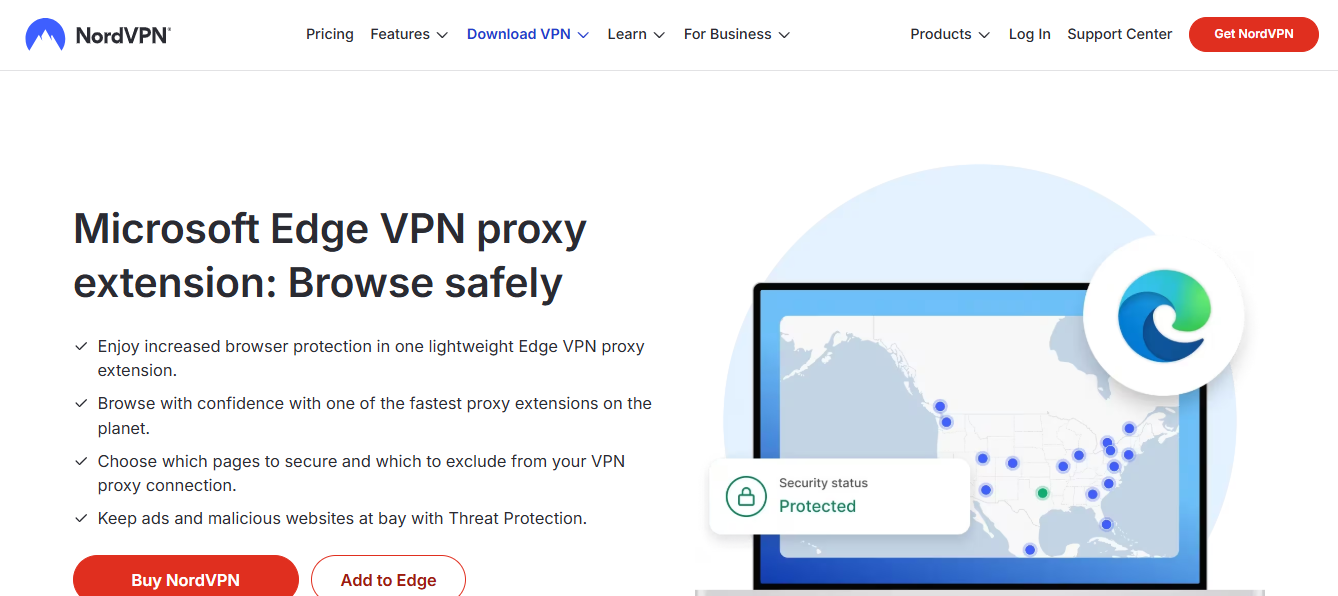
Vpn extension edge free guide for browsers on windows macos android ios 2025 setup performance verdict: a practical, beginner-friendly walkthrough to choosing, installing, and optimizing a VPN extension for Edge across all major platforms. This guide is designed for quick setup, clear performance expectations, and reliable protection without slowing you down. Below, you’ll find a mix of quick tips, step-by-step instructions, comparisons, and real-world tips to help you get the most out of your VPN extension.
Quick fact: A good VPN extension for Edge should offer strong encryption, minimal speed impact, reliable leak protection, and easy switchable options for different use cases.
- Quick-start overview:
- What you’ll gain: privacy, access to geo-restricted content, and safer browsing on public networks.
- What to watch for: speed impact, logging policies, server locations, and compatibility with Edge updates.
- How to test: check IP address against a location, run a short speed test, and verify DNS/leak protection.
This guide covers:
- Why use a VPN extension instead of a full VPN app
- How to pick a trustworthy Edge-compatible extension
- Step-by-step setup on Windows, macOS, Android, and iOS
- Performance considerations and optimization tips
- Common pitfalls and troubleshooting
- Real-world use cases with practical examples
- Quick-reference checklist for after setup
- Useful resources and where to learn more
Useful URLs and Resources as plain text Apple Website - apple.com Microsoft Edge Extensions - microsoft.com Wikipedia – en.wikipedia.org/wiki/Virtual_private_network Mozilla VPN – vpn.mozilla.org ExpressVPN – expressvpn.com NordVPN – nordvpn.com Surfshark – surfshark.com Proton VPN – protonvpn.com Kaspersky VPN – kaspersky.com TechRadar VPN reviews - techradar.com/vpn
Why a VPN extension makes sense with Edge
Edge supports a growing ecosystem of extensions, including VPN tools that run directly in your browser. Benefits include:
- Quick enable/disable without leaving your browsing session
- Fine-grained control for specific sites or tabs
- Lower system resource usage compared to a full desktop VPN app
- Easy profile switching for streaming, work, or browsing
However, browser-based VPNs are not a magic shield. They rely on your browser traffic, not all apps on your device, and some offer only a subset of features found in standalone VPNs. Always pair a browser extension with good device security practices.
How to pick a trustworthy Edge VPN extension
Key criteria to review:
- No-logs policy: Look for a transparent, independent audit or clear statements about not collecting activity.
- Strong encryption: AES-256 is standard; confirm protocols like OpenVPN, WireGuard, or IKEv2 are supported.
- DNS and WebRTC leak protection: Prevents your real IP from leaking even if the VPN drops.
- Speed impact: Read reviews or test yourself; some extensions throttle more than others.
- Server network: More locations usually mean more chances to find a fast connection.
- Compatibility: Works with the current Edge version and Windows/macOS/iOS/Android ecosystems.
- Pricing and trials: Free versions exist but often with limits; know what you’re willing to pay for.
- Customer support: Quick, helpful help when something goes wrong.
Pro tip: Start with a reputable provider that offers a free trial or a money-back guarantee so you can test without commitment.
Step-by-step setup: Windows, macOS, Android, iOS
Windows Edge
- Open Edge and go to Extensions → Open Microsoft Edge Add-ons store.
- Search for your chosen VPN extension.
- Click Add to Edge and confirm permissions.
- Sign in to your VPN account within the extension.
- Pick a server location and activate the extension.
- Optional: enable kill switch or DNS leak protection if the extension offers it.
Tips: Tuxler vpn edge rotating proxy VPN guide: features, setup, use cases, and comparisons 2026
- Pin the extension to the toolbar for quick access.
- Create a dedicated profile for streaming vs. work to manage speed and latency.
macOS
- Open Edge on Mac and navigate to Edge Add-ons store.
- Install the VPN extension as described for Windows.
- Grant necessary permissions traffic read/write, if prompted.
- Sign in and select a server. Test a few servers to find the best balance of speed and stability.
- Enable any Mac-specific safety features the extension offers.
Tips:
- Ensure system firewall allows the extension to route traffic.
- If you use VPN on the entire device too, decide whether you want a system-wide VPN or just the Edge extension.
Android
- Open Edge and go to Extensions, then install the VPN extension from the Google Play-enabled store.
- Sign in inside the extension.
- Choose a server and toggle the switch to connect.
- Verify the VPN is active by visiting a site that shows your IP location.
Tips:
- Some Android devices have built-in VPN settings; decide if you want to drive all traffic through the Edge extension or use separate device-wide VPN settings.
iOS
- Edge on iOS supports extensions through the App Store. Find the VPN extension and install it.
- In Edge, enable the extension and sign in.
- Pick a server and connect.
- Test your IP to confirm the location has changed.
Tips:
- iOS VPN handling is touch-friendly; use Lock Screen or Shortcuts to quickly enable/disable.
Performance verdict: what to expect
- Speed impact: A good extension should reduce speed by roughly 5–25% on nearby servers and 20–40% on distant servers. Exact figures depend on server load, encryption level, and your baseline connection.
- Latency: Some VPNs add 20–60 ms on average for nearby servers; long-haul connections may see higher delays.
- Reliability: Look for providers with a robust network, low packet loss, and fast DNS—these reduce buffering and interruptions.
- Security posture: Extensions that use WireGuard or OpenVPN with strong ciphers typically offer both speed and solid protection.
- Battery and data usage: On mobile, some extensions drain more battery if the device performs extra processing.
Real-world scenarios:
- Streaming: A fast, nearby server usually yields better buffering-free playback.
- Remote work: A stable connection with a fixed IP helps access corporate resources, but speed and latency should be tested with your VPN in place.
- Public Wi-Fi: Always enable the extension before connecting to untrusted networks; enable auto-connect if available.
Features to enable for better protection and performance
- DNS leak protection: Ensure DNS requests go through the VPN tunnel.
- WebRTC leak protection: Disable or isolate WebRTC in Edge to avoid IP leaks.
- Kill switch: Automatically blocks traffic if the VPN disconnects, preventing accidental exposure.
- Split tunneling: Route only certain sites or apps through the VPN to preserve speed for others.
- Auto-connect: Connect automatically on startup or when joining untrusted networks.
- Protocol choice: WireGuard for speed; OpenVPN for broad compatibility; IKEv2 for iOS.
Common issues and quick fixes
- Issue: VPN won’t connect.
- Fix: Check server load, restart extension, reauthenticate, test another server.
- Issue: DNS leaks detected.
- Fix: Turn on DNS leak protection; flush DNS cache on your device.
- Issue: Sluggish performance.
- Fix: Try a nearby server, disable features like auto-connect on startup, or switch protocols.
- Issue: Edge browser instability.
- Fix: Disable other extensions that might conflict, update Edge, and ensure extension is updated.
Security best practices while using a VPN extension
- Always use a trusted provider with a transparent privacy policy.
- Avoid logging into sensitive accounts through the VPN if you’re unsure about the provider’s data practices.
- Regularly review extension permissions and revoke unnecessary ones.
- Keep your browser and extension updated to mitigate vulnerabilities.
- Use two-factor authentication 2FA for the VPN account when available.
Use cases and example configurations
- Student or traveler: Use a nearby server for fast study sessions; switch to a geo-positioned server for accessing location-specific content.
- Remote team member: Use a consistent, company-approved server with a kill switch enabled to protect data on unsecure networks.
- Content creator: Use split tunneling to route editing tools through the VPN while streaming or browsing unencrypted sites remains separate.
Troubleshooting checklist quick-reference
- Confirm VPN extension is enabled in Edge.
- Verify you’re signed in and the correct server is selected.
- Check for Edge updates and extension updates.
- Run a short IP check to verify location change.
- Test for DNS and WebRTC leaks.
- If problems persist, contact support with your device details and browser version.
Privacy considerations with Edge extensions
- Some extensions may request broad permissions that could be misused. Always review what data the extension can access.
- A no-logs policy is not always enough; look for independent audits or transparent privacy reports.
- Consider a separate VPN for device-wide protection if your threat model requires it.
Maintenance and updates
- Periodically review server locations and performance; rotate servers to balance load.
- Update Edge and the VPN extension regularly to keep defenses current.
- Re-test IP and DNS leaks after major browser updates or VPN changes.
Frequently asked alternative workflows
- Using a VPN extension with a separate full VPN app: Some users prefer dual setups for extra coverage; you can use the extension for everyday browsing and the full app for sensitive activities.
- Browser isolation: For maximum privacy, you can use a privacy-focused browser profile with minimal extensions and route traffic through the VPN extension only for Edge.
Quick-start cheat sheet
- Install VPN extension from Edge Add-ons store.
- Sign in and enable the extension.
- Choose a nearby server for speed; switch to a distant server for geo access.
- Enable DNS leak protection and kill switch.
- Test IP and DNS after setup.
- Enable auto-connect for untrusted networks.
- Periodically review server list and extension permissions.
Expert tips
- If you’re seeing buffering on streaming, try a server closer to your real location, or switch to a streaming-optimized server if your provider offers it.
- For work-from-home stability, lock in a server that’s known to have low ping to your company’s VPN gateway or resources.
- Use split tunneling to keep video calls on your normal connection while routing general browsing through VPN for safety.
Performance comparison: VPN extension options for Edge
- Tier 1 providers widest server network, best speeds: Typically offer WireGuard, OpenVPN, robust DNS protections, and strong privacy policies.
- Tier 2 providers good balance, lower cost: Solid performance, decent server counts, but occasionally slower on peak times.
- Free or freemium options: Great to test, but often have limits like data caps, slower speeds, and stricter logging policies.
Note: Free options may not provide the level of protection you need for sensitive activities. If privacy matters, consider a reputable paid plan with a money-back guarantee. Tunnelbear vpn chrome extension setup, features, security insights, pricing, and comparisons for 2026
How to measure performance after setup easy tests
- Speed test: Run a quick speed test with the VPN on and off to see difference.
- IP check: Verify your IP shows the VPN server location rather than your actual location.
- DNS leakage test: Visit a DNS leak test site to confirm DNS requests are routed through the VPN.
- Streaming test: Try a 20-minute video on your preferred streaming site to ensure smooth playback.
- WebRTC leak check: Use a WebRTC leak test to confirm no leaks.
Real-world setup samples
- Sample Edge VPN profile for streaming:
- Server: Nearby country with high-speed peers
- Protocol: WireGuard
- Features: Kill switch, DNS leak protection, split tunneling for specific sites
- Sample Edge VPN profile for secure work:
- Server: Company-approved location
- Protocol: OpenVPN or WireGuard
- Features: Auto-connect, kill switch, DNS/WebRTC protection, device-wide considerations
Accessibility and inclusivity notes
- The Edge extension store supports a wide range of languages; check your extension settings for localization preferences.
- If you rely on assistive tech, ensure that the extension UI is navigable and keyboard-friendly.
Final tips before you go
- Start with a reputable provider that offers a solid trial or money-back guarantee.
- Test multiple servers to identify the best balance of speed and reliability.
- Keep your Edge browser and extension updated to reduce vulnerabilities.
- Be mindful of privacy policies and data practices—what gets logged is often the difference between good and great protection.
Frequently Asked Questions
What is a VPN extension for Edge?
A VPN extension for Edge is a browser-based tool that routes your Edge browser traffic through a VPN server, helping mask your IP and encrypt your data for safer browsing.
Do VPN extensions work on Windows, macOS, Android, and iOS?
Yes, most reputable VPN providers offer Edge-compatible extensions across Windows, macOS, Android, and iOS, with setup steps that vary slightly by platform.
Does using a VPN extension slow down my browsing?
Most VPN extensions introduce some speed and latency overhead, especially on distant servers. Pro tips: choose a nearby server, use WireGuard or similar fast protocols, and disable unnecessary features when speed is the priority.
Is DNS leak protection important?
Yes. DNS leak protection ensures your DNS queries are sent through the VPN tunnel, preventing disclosures of your real IP. Touch vpn for edge browser: how to install, configure, and maximize privacy on Edge (Chromium) in 2026
Can I use the VPN extension for streaming?
Many VPN extensions offer streaming-optimized servers or profiles. Test a few servers to find one that consistently supports your streaming service.
Should I use split tunneling?
Split tunneling is helpful when you want only certain sites or apps to go through the VPN. It can improve speed for non-sensitive tasks while keeping protection for others.
What about kill switch?
A kill switch stops all traffic if the VPN disconnects, preventing your real IP from being exposed. It’s strongly recommended.
Are free VPN extensions safe?
Free extensions exist but often come with limits, higher risk of data collection, or weaker protection. If privacy matters, consider a paid plan with a guaranteed refund.
How do I test if my VPN is working correctly?
Test by checking your IP location, performing a DNS leak test, testing WebRTC leakage, and running a speed test with and without the VPN enabled. Tunnelbear vpn extension edge 2026
How often should I update my VPN extension?
Update whenever the provider releases a new version. Regular updates fix security holes, improve performance, and support new browser features.
Yes, you can use a VPN extension on Edge for free. In this guide I’ll walk you through how Edge handles VPN browser extensions, the best free options you can actually trust, how to install them, what trade-offs you’re making, and practical tips to keep your privacy intact. Along the way I’ll share real-world tips, performance expectations, and clear steps so you can get protected quickly. If you’re curious about upgrading to a more robust solution later, I’ve included a hands-on look at when a paid VPN makes sense and what you’ll get for it. And if you want a top-tier option right away, check this deal: . NordVPN isn’t the only choice, but it’s a strong reminder that you don’t have to settle for a weak free extension if you want reliable protection.
Introduction: what you’re getting in this guide
- Quick-start checklist: what you’ll need, what Edge supports, and how to pick a free extension that won’t wreck your browsing.
- A clear look at the most reliable free VPN extensions for Edge, plus what you trade off with free plans data caps, server access, speed.
- Step-by-step setup instructions so you can be protected in under 10 minutes.
- Real-world tips to maximize privacy, avoid leaks, and know when to upgrade to a paid plan.
- Common issues you’ll run into and practical fixes.
- A practical privacy and security checklist to keep you safe while you browse.
What Edge supports: free VPN extensions vs full VPN apps
- Edge extensions live in the browser and provide browser-level protection and masking. They’re convenient for quick encryption on a per-tab basis and can work behind networks that block certain trackers.
- A full VPN app runs on the device and routes all traffic, including non-browser apps. If you’re on Windows or macOS and you want system-wide protection, a standalone VPN app is usually a better bet.
- Free VPN browser extensions are typically limited by data caps, bandwidth throttling, and a smaller pool of servers. They’re great for occasional use or testing privacy features, but they aren’t a substitute for a full VPN subscription if you’re serious about long-term privacy or streaming.
Top free VPN extensions for Edge overview Note: free VPN extensions in Edge often come with data caps or speed limits. Here are reputable options that have historically provided consistent Edge support and transparent policies. Always review the current terms, as free offerings can change. Super vpn extension edge 2026
Proton VPN Free browser extension option
- Pros: No data cap on a limited number of servers. strong privacy stance. easy sign-up.
- Cons: Free tier has limited server choices and potentially slower speeds during peak times.
- Best for: Occasional private browsing, avoiding Wi‑Fi snooping on public networks.
Windscribe Free browser extension and desktop app
- Pros: Generous monthly data allowance historically around 10 GB with email verification. ad-blocker features. reasonable speeds.
- Cons: Server selection is more limited on the free plan.
- Best for: Protecting everyday browsing, light streaming in short bursts.
TunnelBear Free browser extension and app
- Pros: User-friendly, friendly onboarding. solid privacy posture.
- Cons: Very small data cap historically about 500 MB per month, with opportunities for more via promotions.
- Best for: First-time VPN users or kids’ devices with light use.
Atlas VPN Free browser extension and app
- Pros: Simple to use. decent user experience for a free option.
- Cons: Data caps and fewer servers. occasional performance fluctuations.
- Best for: Quick privacy shield on a budget.
Hide.me Free browser extension and app Vpn microsoft edge android guide to secure browsing on Android with Edge VPNs and practical setup 2026
- Pros: Transparent policy, decent speeds within free tier.
- Cons: Data and server limits on free plan. signup required.
- Best for: Basic privacy on public Wi‑Fi.
Important note on trust and safety
- Free VPNs often rely on data monetization models to sustain the service. Expect occasional ads, usage analytics, or limited features in exchange for the no-cost option.
- If privacy is a priority, read the provider’s privacy policy and consider a paid plan or a reputable paid extension/app for stronger protections, more servers, and better performance.
How to install a VPN extension on Edge step-by-step
- Open Microsoft Edge and go to the Edge Add-ons store Edge’s official extensions gallery.
- Search for the VPN extension you want e.g., ProtonVPN, Windscribe, TunnelBear, Atlas VPN, Hide.me.
- Click the extension you want to review, then press Add to Edge.
- Confirm permissions requested by the extension read and change data on the websites you visit, manage downloads, etc.. If you’re comfortable, proceed.
- The extension will appear in Edge’s toolbar. Click it to sign up for a free account if required, then enable it.
- Choose a server location free plans will show a limited set. Turn Connect on.
- Verify your IP appears different. A quick check is to visit a site like whatismyipaddress.com or ipinfo.io to confirm your new IP and location.
- Optional privacy hygiene steps: disable WebRTC leaks in Edge if the extension doesn’t offer a kill switch. ensure “DNS leak protection” is enabled if the extension supports it. consider clearing cookies or enabling tracking protection in Edge settings.
Edge-specific tips to avoid leaks and maximize privacy
- WebRTC: Some browsers expose your real IP via WebRTC. If your VPN extension doesn’t provide a kill switch, disable WebRTC or use an extension that blocks it.
- DNS leaks: Free extensions may not always protect DNS requests. Use extensions that explicitly state DNS leak protection or pair with Edge’s built-in privacy features to reduce risk.
- Kill switch: Browser extensions may not always have a true kill switch. If you rely on total device protection, pair the edge extension with a full VPN app that includes a reliable kill switch.
- IPv6: If your ISP provides IPv6, some free VPN extensions don’t route IPv6 traffic. Consider enabling IPv6 blocking in Edge or using a VPN that supports IPv6 leak protection.
- Browser sandboxing: Keep Edge updated to ensure security patches are applied. Regularly review extension permissions and remove any that seem unnecessary.
Performance expectations on free Edge VPN extensions
- Speeds: Free VPNs tend to be slower during peak hours due to congestion and limited server resources on the free tier. Expect more buffering if you’re streaming or gaming, particularly during evenings.
- Server availability: Free plans have fewer server locations and may force you onto crowded servers, which can degrade performance.
- Battery and memory: Browser extensions consume additional memory. On older devices, you might notice slower page loads if several extensions are active.
Privacy and security considerations with free Edge extensions Vpn on microsoft edge: how to set up a VPN on Microsoft Edge, use Edge extensions, and secure browsing 2026
- Logging policies: Some free providers may log metadata or usage patterns. Look for a clear privacy policy that states the minimum data collection and retention practices.
- Advertising and tracking: Free tiers sometimes monetize through advertisements or partner trackers. Use these extensions with caution on devices handling sensitive information.
- Data retention: Understand how long any free service retains data and whether it shares data with third parties.
- Upgrade considerations: If you hit data caps or server limits frequently, consider a paid plan with better privacy guarantees and higher performance.
Real-world use cases for Edge VPN extensions
- Public Wi‑Fi protection: When you’re at a cafe or library, a free Edge extension can shield your traffic from local eavesdroppers, especially on non-HTTPS sites.
- Casual browsing: For basic privacy during daily web tasks—emails, browsing news, light social media—free extensions often suffice.
- Geo-restriction bypass limited: Some free plans let you access content in a few regions, but streaming platforms like Netflix are notorious for blocking many free solutions. Don’t rely on free options for reliable access to geo-blocked content.
When to upgrade to a paid VPN extension or app
- You need device-wide protection: If you want all apps and background processes routed through the VPN, a paid plan with a full app provides superior protection.
- You want reliable streaming: Paid plans typically bypass streaming geoblocks more consistently and offer more servers.
- You value speed and reliability: Paid plans generally give faster speeds, less crowded servers, and better performance on busy networks.
- You’re concerned about privacy: Paid VPNs usually have stricter no-logs policies, stronger privacy commitments, more robust features kill switch, DNS security, leak protection, and better customer support.
Data, stats, and market context why this matters
- The global VPN market has seen steady growth as privacy awareness and remote work persist. Analysts project healthy continued expansion into 2025 and beyond, with paid VPNs dominating the market due to stronger privacy guarantees and better performance.
- Browser extensions are a popular entry point for people exploring VPNs. They offer quick protection on public networks and can be a stepping stone to a full VPN solution as comfort grows.
- For Edge users, the choice between a free extension and a paid service often comes down to how heavily you rely on privacy, streaming access, and your tolerance for data caps and slower speeds.
Best practices for Edge users choosing a free VPN extension
- Start with a reputable provider: Choose a well-known name with a clear privacy policy and transparent terms.
- Audit permissions: Only grant necessary permissions. Avoid extensions that request broad access to everything without a clear reason.
- Rotate servers when slow: If a server is slow, switch to a different location within the free options.
- Test for leaks: After installing, visit whatismyipaddress.com and dnsleaktest.com to verify there are no obvious leaks.
- Keep Edge and extensions updated: Security patches help reduce vulnerabilities exploited by malicious extensions.
- Be mindful of data caps: Plan usage around caps. If you exceed limits, pause browsing that requires the VPN or upgrade to paid.
Advanced tips for Edge VPN users Vpn for edge free: an in-depth, user-friendly guide to private, fast browsing with edge-friendly VPNs 2026
- Combine with secure DNS: Use a privacy-focused DNS service in Edge settings or with your OS for additional protection beyond what the extension provides.
- Use separate profiles: Create a dedicated Edge profile for browsing that uses the VPN extension, keeping work and personal flows separate.
- Regularly review privacy settings: Privacy s change. what’s allowed today might be restricted tomorrow. Reassess policy changes on your VPN provider at least quarterly.
Common issues and fixes
- Issue: VPN won’t connect
- Fix: Double-check server availability in the free tier, ensure you’re not on a blacklisted country, restart Edge, re-login to the extension, and try a different server location.
- Issue: Web pages fail to load when connected
- Fix: Disable WebRTC leaks if possible. flip DNS protection on/off to see if it resolves the issue. reset the extension.
- Issue: Slow speeds
- Fix: Try a different server location, close other bandwidth-hungry apps, and ensure you’re not hitting data caps. on some networks, using a wired connection improves stability.
- Issue: IP address not changing
- Fix: Verify the extension is active, check for IPv6 leakage, and ensure you’re routing traffic through the VPN as intended. If needed, disable IPv6 in your OS settings.
Limitations worth knowing
- Free extensions are not a substitute for a full VPN app, especially if you want guaranteed privacy, all-device coverage, or high-speed streaming.
- Some services block or restrict access on free tiers to prevent misuse.
- Always corroborate the current policy of a provider. many free plans change features or data allowances at any time.
FAQ: Frequently Asked Questions
Do free VPN extensions on Edge keep my data private?
Yes, some do, but many free options monetize data via ads or partner agreements. Always read the privacy policy and choose providers with transparent, privacy-forward practices. If privacy is your top priority, consider upgrading to a paid option with a strict no-logs policy.
Can I watch Netflix or other streaming services with a free Edge VPN extension?
Some free VPN extensions may access limited regional catalogs, but streaming platforms are aggressively blocking free services. For reliable streaming, a paid VPN with a proven track record is usually required. Vpn with china location 2026
Do Edge VPN extensions slow down my browsing?
Often, yes. Free plans have fewer servers and higher user load, which can reduce speeds. If speed is critical, upgrade to a paid tier or use a full VPN app with optimized servers.
Are Edge VPN extensions safe to install?
Most extensions from reputable providers are safe to install, but you should still verify permissions, reviews, and the provider’s privacy policy. If something feels off, skip that extension.
Can I use multiple VPN extensions at once in Edge?
It’s not recommended. Running multiple VPN extensions can conflict and create routing issues, leaks, or degraded performance. Pick one trusted extension per browser profile.
How can I tell if a VPN extension is leaking my IP?
Visit whatismyipaddress.com while connected to the VPN. Compare your visible IP with your real IP. For extra checks, run a DNS leak test and WebRTC leak test.
Do I need antivirus if I use a VPN extension?
VPNs help with privacy, but they don’t replace antivirus or anti-malware protection. Keep your system protected with reputable security software and safe browsing habits. Vpn plugin microsoft edge: how to choose install and optimize edge vpn extensions for privacy speed and streaming 2026
Is there a data limit on free Edge VPN extensions?
Yes. Free plans typically have monthly data caps. If you exceed the cap, you’ll usually either be throttled or disconnected from the VPN until the next cycle.
How do I decide between a free extension and a paid Edge VPN extension?
Consider your usage: daily privacy on public networks, streaming, and device-wide protection. If you value speed, reliability, and strong privacy, a paid option is worth it.
Can I uninstall or disable the VPN extension easily?
Yes. In Edge, right-click the extension icon and choose Remove from Edge, or disable it from the extensions management page. You can re-enable it any time.
Will a browser extension protect my activity on non-browser apps?
Not really. Browser extensions only cover browser traffic. For comprehensive coverage, pair with a full VPN app or another security solution that protects all device traffic.
Tips for building a clean browser privacy routine
- Use Edge’s built-in tracking protection and stricter privacy settings in tandem with a VPN extension for layered defense.
- Keep extensions to a minimum. each extra extension adds potential risk and performance overhead.
- Regularly review extension permissions and remove any you don’t actively use.
- Use a separate user profile for activities requiring privacy. this helps keep your main profile streamlined and less vulnerable.
Closing thoughts
- Free VPN extensions for Edge are a solid entry point for basic privacy on public networks and for quick privacy tweaks during everyday browsing.
- If you’re serious about privacy, speed, and universal device protection, you’ll want to explore paid options or a standalone VPN app that offers Edge compatibility and strong security features.
- Remember: privacy is not a one-and-done setup. It requires ongoing awareness, smart choices, and occasional upgrades as your needs evolve.
Useful resources and links text only, not clickable
- Edge extensions store official: edge.microsoft.com
- Proton VPN privacy policy: protonvpn.com/privacy-policy
- Windscribe privacy policy: windscribe.com/privacy
- TunnelBear privacy policy: tunnelbear.com/privacy
- Atlas VPN privacy policy: atlasvpn.com/privacy
- Hide.me privacy policy: hide.me/privacy
- WhatIsMyIP address checker: whatismyipaddress.com
- DNS leak test: dnsleaktest.com
- Edge browser privacy settings guide: support.microsoft.com
- NordVPN deal article affiliate: dpbolvw.net/click-101152913-13795051?sid=070326
Frequently Asked Questions expanded
Are there any risks with using free VPN extensions on Edge?
Yes. Free services can come with data limitations, ads, and potentially weaker privacy protections. If you’re handling sensitive information, a reputable paid VPN extension or app is advisable.
How do I know if an Edge VPN extension is reputable?
Check reviews, the provider’s transparency about data handling, independent audit announcements, and whether the extension is maintained with regular updates.
Can I rely on a free Edge VPN extension for work or school networks?
For light, everyday use, you can, but for sensitive tasks or strict privacy requirements, a paid option or enterprise-grade privacy tool is recommended.
Do browsers like Edge block certain VPN extensions?
Some organizations or networks may block VPN traffic or extensions. If you encounter blocks, try a different network or a different extension that aligns with policy requirements.
Can I use a VPN extension and a VPN app at the same time?
Generally not recommended. Running both can cause conflicts and leaks. If you need device-wide protection, rely on a full VPN app and consider using the browser extension only for quick, temporary privacy boosts when needed.
How often should I upgrade from a free plan to a paid plan?
If you hit data caps, need better streaming access, faster speeds, or require stronger privacy guarantees, that’s a good sign to consider upgrading.
Is it possible to customize VPN settings in Edge extensions?
Some extensions expose settings like DNS protection, kill switch options, or server preference. Explore the extension’s settings to tailor protection to your browsing habits.
Do VPN extensions affect battery life on laptops or mobile devices?
Yes, running a VPN extension can consume more CPU and network resources, which may slightly impact battery life on laptops or mobile devices. Monitor usage and adjust as needed.
Can VPN extensions be used on mobile Edge apps?
Yes, many VPN providers offer extensions or built-in VPN features in their mobile apps. However, the mobile experience may differ from desktop Edge extensions.
What’s the difference between a VPN extension and a VPN proxy?
A VPN extension encrypts traffic and routes it through a server, while a VPN proxy might only reroute certain traffic and often lacks full encryption or the same privacy protections. For privacy, a real VPN extension or app is generally the better choice.
新浪vpn 使用指南与评测:从选择、安装、设置到隐私保护、速度优化以及在中国大陆的可用性分析