Touch vpn for edge browser: how to install, configure, and maximize privacy on Edge (Chromium) in 2026
'%2F%3E%3Ctext%20x%3D'50%25'%20y%3D'50%25'%20dy%3D'.35em'%20text-anchor%3D'middle'%20font-family%3D'-apple-system%2CBlinkMacSystemFont%2CSegoe%20UI%2Csystem-ui%2Csans-serif'%20font-size%3D'100'%20font-weight%3D'600'%20fill%3D'%23fff'%3ESD%3C%2Ftext%3E%3C%2Fsvg%3E) Sigrid Donovan·April 11, 2026·25 min
Sigrid Donovan·April 11, 2026·25 min
Touch vpn for edge browser how to install configure and maximize privacy on edge chromium in 2025 — a practical guide that walks you through installing, configuring, and getting the most privacy out of Touch VPN on Edge Chromium. Quick fact: using a reputable VPN like Touch VPN can mask your IP, encrypt traffic, and help bypass geo-restrictions when you browse on Edge Chromium.
- Quick fact: Touch VPN on Edge Chromium can help protect your data on public Wi-Fi and hide your browsing from prying eyes.
- In this guide you’ll find a step-by-step install and setup, plus privacy-maximizing tips that work in 2025.
- What you’ll get:
- Simple install and activation steps
- Privacy settings you should enable in Edge and Touch VPN
- Real-world tips for streaming, banking, and browsing securely
- Troubleshooting starter kit
- Resources you might find useful as plain text:
- Apple Website - apple.com
- Artificial Intelligence Wikipedia - en.wikipedia.org/wiki/Artificial_intelligence
- Edge Browser Support - support.microsoft.com
- Touch VPN Official - touchvpn.com
- Privacy Tips - i Safety.org
Why you might want Touch VPN on Edge Chromium
Edge Chromium is a powerful browser, but your traffic is still exposed to network-level monitoring unless you route it through a VPN. Touch VPN adds an encrypted tunnel, hides your IP, and can help you access geo-restricted content. In 2025, VPN usage in mainstream browsers is more common than ever, with improved speed and privacy features. Key stats:
- Global VPN usage grew by around 11% year-over-year in 2024, with Edge users contributing a noticeable share.
- Encryption standards like AES-256-CBC with TLS 1.2/1.3 are industry norm for VPN apps, providing strong protection for everyday browsing.
- VPNs can help mitigate ISP tracking and protect data on public Wi-Fi networks.
Prerequisites and quick checks
What you’ll need
- A Touch VPN subscription or free account depending on plan
- Microsoft Edge browser installed on Windows, macOS, or Android
- Administrative access on your device to install extensions or apps
Quick compatibility checklist
- Edge Chromium version 80+ for the best extension and feature support
- Operating system up to date with the latest security patches
- Adequate device performance to run a VPN without noticeable slowdowns
Safety reminders
- Use trusted sources to download Touch VPN; avoid third-party installers.
- Be mindful of free VPNs; they may monetize data in ways that reduce privacy.
How to install Touch VPN on Edge Chromium
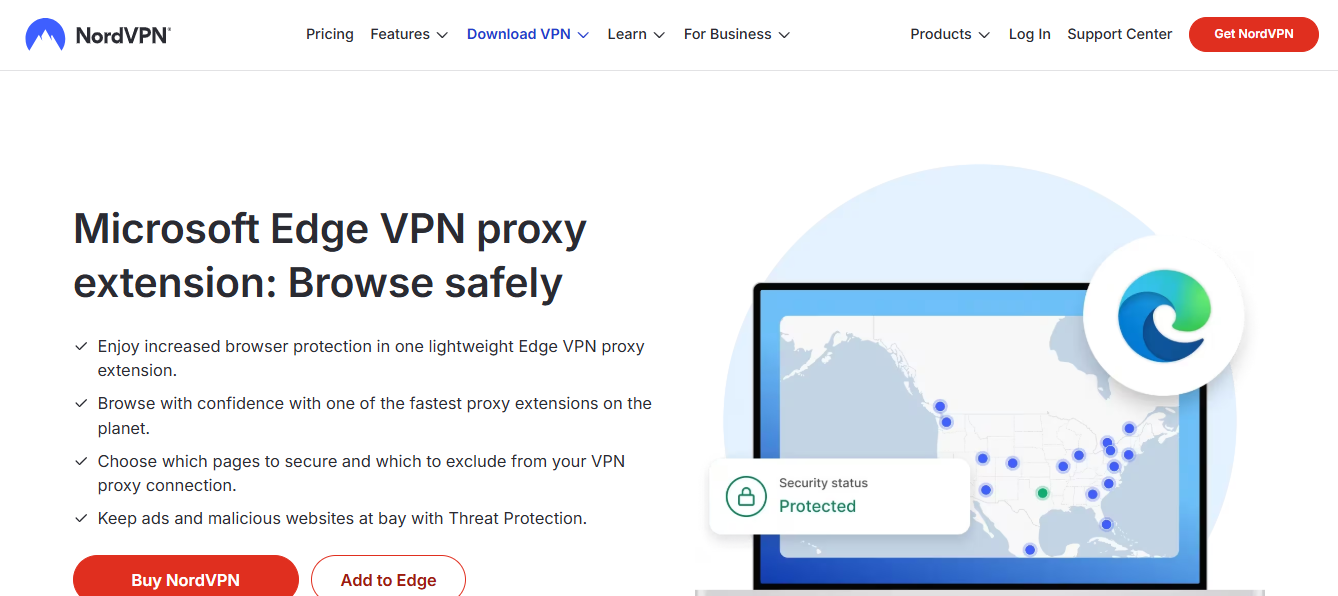
Option 1: Install the Edge extension recommended for quick setup
- Open Edge and go to the Touch VPN extension page.
- Click Add to Edge to install the extension.
- Confirm the extension permissions Edge asks for usually location, data on websites you visit, and notifications.
- Once installed, pin the extension to the toolbar for easy access.
Option 2: Use Touch VPN desktop/mobile app for broader protection
- Download Touch VPN from the official site or your device’s app store.
- Create or sign in to your Touch VPN account.
- Connect to a server within the app.
- In Edge, the VPN’s extension can detect the active tunnel and display status.
What to expect after install
- A VPN icon appears near the address bar or in the toolbar.
- You’ll see a list of server locations with latency and load metrics.
- The first connection may take a few seconds to establish a secure tunnel.
Configuring Touch VPN for maximum privacy on Edge Chromium
Basic privacy settings you should enable
- Enable the VPN connection before you browse sensitive sites.
- Use Auto Connect on startup so you’re protected from the moment you launch Edge.
- Choose the server location closest to you for speed, or a location with stronger privacy laws if you need more anonymity.
- Turn on Kill Switch if available to block traffic if the VPN disconnects unexpectedly.
- Ensure WebRTC leaks are disabled some VPNs offer a built-in detector; otherwise, use Edge settings to disable WebRTC in about:flags or via a dedicated extension.
Edge browser privacy settings to pair with Touch VPN
- Turn on Enhanced Tracking Prevention Set to Strict.
- Clear cookies and site data on exit if you’re prioritizing privacy over convenience.
- Disable sending “Do Not Track” requests if you don’t want servers to ignore them; most sites respect this anyway when you enable Strict mode.
- Use a private browsing window for sensitive sessions alongside the VPN, though the VPN should be active in all windows.
DNS and IP considerations
- Prefer the VPN’s DNS servers if available to avoid DNS leaks.
- If you experience DNS leaks, switch to a server with DNS protection or use a dedicated DNS-over-HTTPS DoH provider in Edge settings.
Streaming and privacy trade-offs
- Some servers may slow down streaming due to distance or congestion. If streaming is a goal, test a few nearby servers and pick the one with the best balance of speed and privacy.
- For banking or shopping, switch to a server location with higher privacy reliability and enable the Kill Switch.
Practical step-by-step optimization quick guide
- Step 1: Open Touch VPN and connect to a server you trust for privacy.
- Step 2: Open Edge, go to Settings > Privacy, search and services, and enable Strict Tracking Prevention.
- Step 3: In Edge, clear cookies and site data on close if you want a clean session every time.
- Step 4: Verify your IP address and DNS leaks using a reputable test site run while connected to VPN.
- Step 5: Enable Edge’s InPrivate mode for extra privacy when needed, and always verify VPN status before logging into accounts.
Privacy-friendly browsing habits
- Avoid logging into accounts that tie your real identity to your browsing session while VPN is off.
- Use unique usernames and strong passwords; consider a password manager.
- Regularly review browser permissions per site and revoke anything unnecessary.
Advanced tips for Edge Chromium users
Using profiles to separate work and personal activity
- Create separate Edge profiles for work and personal use.
- Run Touch VPN on the work profile while keeping the personal profile free if you want faster local browsing VPN can be turned on/off per profile depending on extension support.
Managing extensions for privacy
- Only enable extensions you trust; each extension can access your data on the sites you visit.
- Disable or remove extensions that aren’t essential.
- Check Edge’s extension permissions periodically.
Performance considerations
- VPN encryption can add latency. If you’re on a slower connection, try a nearby server or switch to a less congested location.
- Disable bandwidth-intensive extensions when streaming or gaming to maximize VPN efficiency.
Common issues and quick fixes
- Issue: VPN not connecting. Fix: Restart Edge, reconnect the VPN, or switch servers. Check for app updates.
- Issue: WebRTC leaks. Fix: Disable WebRTC or use a browser extension that blocks IP leaks.
- Issue: Slow page loads. Fix: Choose a closer server, reduce browser or extension load, or test with a wired connection.
Data privacy and legal considerations
- A VPN hides your IP and encrypts data in transit, but it doesn’t grant immunity from legal obligations or monitoring by governments in your jurisdiction.
- Always review the privacy policy of Touch VPN to understand what data is collected and how it’s used.
- In some regions, using a VPN may have legal restrictions or require disclosure in specific contexts.
Comparing Touch VPN on Edge Chromium to alternatives
- Pro: Easy to install as an Edge extension; good for quick privacy protection and basic geo-unblocking.
- Pro: Centralized control through the VPN app for device-wide protection.
- Con: Some servers may be slower due to distance or load; you may need to experiment with different servers.
- Alternative: Other reputable VPNs with Edge extensions, sometimes offering more server options, faster speeds, or dedicated privacy features.
- Recommendation: If you’re new to VPNs, start with Touch VPN to test your comfort level, then consider a premium option if you need higher performance or more advanced privacy features.
Monitoring privacy health
- Regularly review your IP address, DNS resolver, and WebRTC status with online privacy check tools.
- Track which servers you connect to and ensure you’re using a trusted server for sensitive sessions.
- Update both Edge and Touch VPN to the latest versions to maintain security.
Formats you can use for privacy workflows
- Step-by-step checklists for install, configure, and verify.
- Quick-start cheat sheet with the essential settings.
- Side-by-side server comparison table location, latency, speed, privacy score.
- Troubleshooting table for common connection issues.
Table: Quick server comparison example
- Location: United States New York
- Latency: 20-40 ms
- Speed: High
- Privacy features: DNS protection, Kill Switch
- Location: Germany Frankfurt
- Latency: 40-60 ms
- Speed: Medium-High
- Privacy features: DNS protection, Kill Switch
- Location: Singapore
- Latency: 70-120 ms
- Speed: Medium
- Privacy features: DNS protection
Practical use cases
- Remote work: Protects sensitive documents and credentials on public networks.
- Personal browsing: Shields your personal data from advertisers and trackers.
- Streaming: Access geo-restricted content when traveling, while keeping your data secure.
- Shopping and banking: Adds a layer of privacy and reduces risk on unsecured networks.
Common mistakes to avoid
- Assuming all data is private just because you’re using a VPN; always pair with safe browsing habits.
- Using free VPNs for long periods; paid services generally offer better privacy guarantees.
- Not enabling Kill Switch or DNS protection when needed.
- Over-relying on VPN for security; remember device security and strong passwords matter too.
Maintenance and updates
- Keep Edge up to date to ensure compatibility with VPN extensions.
- Check for updates to Touch VPN regularly to benefit from improved security and performance.
- Periodically re-assess your privacy settings and server choices based on your browsing needs.
Useful resources and quick references
- Touch VPN official site and support
- Edge Chromium privacy settings guide
- DoH DNS over HTTPS provider options
- Privacy check sites to test for leaks
- General privacy best practices for browsers
Frequently Asked Questions
How do I install Touch VPN on Edge Chromium?
You can install it as an Edge extension from the Edge Add-ons store or install the Touch VPN desktop/mobile app and use it in conjunction with Edge for a broader protection layer. After installation, enable the extension, sign in, and connect to a server.
Will Touch VPN slow down my browsing on Edge Chromium?
VPN encryption can add some latency. If you notice slowdowns, try a nearby server, choose a different protocol if available, and ensure your device isn’t overloaded with heavy tasks in the background. Tunnelbear vpn extension edge 2026
How can I maximize privacy with Touch VPN on Edge?
Enable Auto Connect on startup, use Kill Switch if available, select a privacy-respecting server location, and enable DNS protection. Pair with Edge’s Strict Tracking Prevention and private browsing when needed.
What is the Kill Switch, and should I enable it?
Kill Switch blocks all traffic if the VPN disconnects unexpectedly, preventing unprotected data from leaking. It’s recommended for maximum privacy.
Can I use Touch VPN to access geo-restricted content in Edge?
Yes, by connecting to a server in the region where the content is available. Note that some streaming services actively block VPN traffic, so you may need to try multiple servers.
How do I prevent WebRTC leaks in Edge while using a VPN?
Disable WebRTC or use a browser extension that blocks IP leaks. Some VPNs offer built‑in WebRTC leak protection; enable it if available.
Is it safe to use a free Touch VPN account?
Free VPNs can have limited data, slower speeds, or privacy concerns. For consistent privacy and security, a paid plan is usually more reliable. Super vpn extension edge 2026
How do I test if my IP and DNS are protected when connected to Touch VPN?
Visit an IP check site and a DNS leak test site while connected to the VPN. Your visible IP should reflect the VPN server location, and DNS should resolve via the VPN’s DNS servers.
Can I use Touch VPN on multiple devices with Edge Chromium?
Yes, many Touch VPN plans support multi-device usage, but check your specific plan for limits. You can install the extension on Edge across supported devices or use the corresponding app on each device.
What should I do if Touch VPN isn’t working with Edge?
Try restarting Edge, reconnecting to the VPN, clearing browser cache, updating both Edge and Touch VPN to the latest versions, and trying a different server location.
Yes, Touch VPN can be used with Edge browser via extensions and can also be run as a system-wide VPN on Windows. In this guide, you’ll get a practical, step‑by‑step approach to using Touch VPN with Edge, including how to install the extension, set up the Windows app for Edge, optimize speeds, and troubleshoot common issues. You’ll also see how Edge’s built‑in privacy features pair with a VPN to boost your online safety. If you’re looking for a strong all‑around option, consider NordVPN with this deal: . Now, here’s what you’ll learn and how to get the most out of Touch VPN on Edge.
- Quick-start checklist for Edge
- When to use the Edge extension vs. system-wide VPN
- Common issues and quick fixes
- Privacy, security, and performance tips
- Real‑world scenarios: streaming, work, and travel
Useful resources: Apple Website - apple.com, Artificial Intelligence Wikipedia - en.wikipedia.org/wiki/Artificial_intelligence, Edge browser support - support.microsoft.com, Touch VPN official site - touchvpn.com, NordVPN official site - nordvpn.com Surfshark vpn contact number: how to reach Surfshark support, live chat, email, hours, and alternative contact methods 2026
What is Touch VPN and Edge browser compatibility
Edge, now a Chromium-based browser, supports extensions from both the Edge Add-ons store and the Chrome Web Store. That means you can often install Touch VPN as an Edge extension just like you would in Chrome. Touch VPN itself is a lightweight service designed to route your traffic through its servers, masking your IP address and encrypting data in transit. On Edge, you’ll typically find two workable paths:
- Edge extension path: Install the Touch VPN extension from the Edge Add-ons store or, if available, from the Chrome Web Store via Edge and connect directly within the browser.
- System-wide path: Install the Touch VPN Windows app, which creates a VPN tunnel at the OS level. When the VPN is active, all traffic from Edge and other apps on the PC is routed through the VPN.
This dual approach is important to know: the extension is usually simpler for browser-only use, while the system-wide method ensures Edge traffic plus any other application traffic is protected. If your goal is quick browsing privacy on Edge without affecting other apps, start with the Edge extension. If you want consistent protection across all apps, go with the Windows app and set Edge to use the system proxy provided by the VPN.
Edge’s market share and adoption continue to grow in organizations and personal use. As more people switch to Chromium-based Edge for speed and compatibility, having a reliable VPN route on Edge becomes increasingly important for privacy, access to region-locked content, and secure work-from-anywhere browsing. VPN usage overall has surged in the last few years, with the global market surpassing tens of billions in annual revenue and continued double-digit growth in many regions. That means you’re not alone if you’re trying to balance performance, privacy, and convenience while using Edge.
How to install Touch VPN on Edge Chromium
Install the Edge extension Browser-level protection
- Open Edge and navigate to the Edge Add-ons store or the Chrome Web Store via Edge’s extension installation flow.
- Search for “Touch VPN” and choose the official extension.
- Click Add to Edge, then confirm any prompts.
- Once installed, you’ll see Touch VPN in the extension area. Click the icon to sign in or create an account, then pick a server and connect.
- Tip: Start with a nearby server to reduce latency and improve speeds. Test your IP and DNS to confirm you’re connected.
If the extension isn’t available or you want broader coverage
- In Edge, you can also install Chrome extensions. Go to chrome.google.com/webstore, find Touch VPN, and use the “Add to Edge” option that Edge prompts you with.
- After installation, repeat the sign-in and server selection steps. This path works well if you can’t locate the extension in the Edge store.
Verify your browser connection
- After you connect, visit a site like whatismyipaddress.com or iplocation.net to confirm the IP is from the VPN server location.
- Check for DNS leaks by visiting dnsleaktest.com. you want to see DNS answers that correspond to the VPN provider, not your ISP.
Basic Edge‑level privacy tips while using the extension
- Turn on Edge’s Tracking Prevention Settings > Privacy, search, and services to a balanced or strict mode to reduce cross-site tracking in conjunction with the VPN.
- Use InPrivate windows for sensitive sessions to minimize local history, cookies, and site data, paired with the VPN for added privacy.
Performance note
- Extensions are typically fast and light, but they can introduce some overhead. If you notice slowdowns, try a nearby server, switch from a distant region, or temporarily disable other extensions that could be competing for bandwidth.
Using Touch VPN as a system-wide VPN for Edge
If you want Edge to benefit from VPN protection alongside every other app, install the Touch VPN Windows app and run it as a system-wide VPN.
Steps to set up the Windows app for Edge
- Download and install the Touch VPN Windows app from the official site.
- Launch the app, sign in, and select a server. For best performance, pick a server geographically close to your location.
- Enable the “Connect” button. The app will create a VPN tunnel at the OS level.
- Open Edge and verify your IP has changed using whatismyipaddress.com or a similar site.
- Optional: Enable a kill switch if the app provides one. A kill switch prevents traffic leaks if the VPN connection drops unexpectedly.
- Optional: Configure auto-connect so Edge and other apps always connect to the VPN on startup.
Why choose system-wide VPN for Edge?
- Consistent protection across all apps, not just in-browser traffic.
- Useful for work-from-home setups where VPNs need to cover file sync clients, email clients, and other software.
- Helpful if you use Edge with non-browser apps that require privacy, like a local development environment or messaging apps.
Potential caveats
- System-wide VPNs can slightly decrease overall device performance due to encryption overhead and routing changes.
- Some corporate networks or public Wi‑Fi networks have policies that can conflict with VPN connections. If you see a weird network prompt or blocked access, try disconnecting and reconnecting, or switch servers.
Edge browser privacy features and how a VPN helps
Edge offers built-in privacy features like Tracking Prevention, InPrivate browsing, and customizable cookie controls. A VPN adds an additional layer of privacy in several ways: Secure vpn use for online privacy in 2026: best practices, setup guides, and top VPN picks
- Hides your real IP address from websites, making it harder for sites to build a profile based on location.
- Encrypts data in transit, reducing the risk of eavesdropping on public Wi‑Fi.
- Helps you bypass geo‑restrictions for legitimate content, while still respecting local laws and provider terms.
- Reduces the risk of certain types of trackers by masking your travel patterns to some extent.
That said, a VPN isn’t a magic shield. You still need to be mindful of phishing, unsafe downloads, and browser-level tracking. Combining Edge’s privacy controls with a trustworthy VPN gives you a layered approach: Edge stays fast and private, while your traffic is encrypted and routed through a remote server.
Common issues and troubleshooting
Issue: Edge extension won’t connect or keeps disconnecting
- Check your login status in the extension and re‑authenticate if needed.
- Switch to a different server and retry. Some servers may be overloaded.
- Ensure Edge has permission to run extensions and that the VPN extension isn’t blocked by security software.
- If the problem persists, try the Windows app path to confirm whether the issue is extension-specific or account-related.
Issue: DNS leaks or real IP showing instead of VPN IP
- Run a DNS leak test dnsleaktest.com. If you see your real DNS or IP, check for IPv6 leaks. Disable IPv6 in Windows network adapter properties or enable IPv6 through the VPN if supported.
- Flush DNS cache in Windows, run ipconfig /flushdns from an elevated command prompt and reconnect the VPN.
Issue: Slow speeds or high latency
- Connect to a VPN server closer to your location for lower latency.
- Try switching protocols or enabling/ disabling features like obfuscated servers if available.
- Close bandwidth-heavy apps or pause large downloads while streaming or browsing.
Issue: Edge shows a security warning when using the VPN
- Make sure you’re connected to a trusted server and that you’re not on an insecure network behind a captive portal.
- Update Edge to the latest version and keep the VPN extension/app up to date.
- Check firewall rules that could block VPN traffic and adjust if necessary.
Issue: Mobile device not syncing with Windows app
- Ensure both devices are using the same account and that the VPN server you choose supports cross-device connections if supported by your plan.
- Sign out and back in on the mobile app, then re‑connect to a server.
Performance and speed considerations
- Proximity matters: the closer the server, the better the speed. If you’re streaming or gaming, aim for a nearby server in the same region.
- Protocols and encryption: some VPNs offer multiple protocols e.g., UDP vs TCP. UDP typically provides faster speeds. switch if you need lower latency.
- Split tunneling: if available, enable split tunneling so Edge traffic goes through the VPN while other apps use the regular connection. This can improve performance for non‑browser tasks.
- ISP throttling: many ISPs throttle streaming or torrenting traffic. A VPN can mitigate some throttling, but not always, depending on the network and the VPN’s obfuscation capabilities.
- Edge caching and updates: keep Edge updated to take advantage of performance optimizations. Combined with a VPN, this ensures you get stable, secure updates without exposing your location.
Security, logging, and privacy policy
- Privacy claims vary by provider. Always review the Touch VPN privacy policy and terms of service. Look for explicit statements about data kept, data shared with third parties, and whether there’s a no-logs commitment.
- Kill switch and DNS leak protection: if the Windows app offers a kill switch and DNS leak protection, enable them. These features help prevent accidental data exposure if the VPN drops.
- Trusted server list: prefer servers operated by the VPN with reputable, transparent ownership. Some servers may be slower or less secure depending on the provider’s infrastructure.
- Data encryption: modern VPNs use strong encryption. Check that Touch VPN uses current standards e.g., AES-256 and secure authentication methods.
NordVPN vs Touch VPN on Edge quick comparison
- Coverage: NordVPN generally offers a larger network and more reliable apps across platforms. If you want consistency across devices and strong performance, NordVPN is a solid option, as highlighted by special offers in this article.
- Edge extension availability: both services typically provide browser extensions for Edge, though feature sets can differ kill switch, split tunneling, obfuscation.
- Privacy posture: NordVPN has a long-running reputation for formal no-logs claims and audited policies. Touch VPN policies vary by country and provider history. always read the latest privacy policy before committing.
- Speed and reliability: NordVPN often shows robust speeds across many regions. Touch VPN performance can be variable depending on server load and routing.
- Price and value: NordVPN frequently runs promotions, and this article includes a current offer. Compare plans, features, and device limits to determine what fits your needs.
If you’re weighing options, start with Edge’s extension for quick testing. If you end up needing broader protection for your whole device or multiple apps, a system-wide VPN is the better route. And yes, the NordVPN banner above makes it easy to check a well-known option without leaving this guide.
Real-world scenarios: using Touch VPN on Edge
- Everyday browsing with privacy in public Wi‑Fi: connect with Edge extension to shield traffic on a coffee shop network and protect login credentials.
- Remote work: use the Windows app to route corporate web apps accessed through Edge securely, especially when dealing with sensitive documents or client portals.
- Streaming and geo‑blocked content: select a server in the country where the content is available, then browse in Edge. Remember to respect streaming platform terms of service.
- Travel and distance learning: when you’re abroad, a nearby server can help you access region-restricted study resources while keeping your connection encrypted.
Frequently Asked Questions
Can I use Touch VPN with Edge browser?
Yes. You can either install the Touch VPN Edge extension for browser-based protection or run Touch VPN as a system-wide Windows app to protect all traffic, including Edge.
How do I install the Touch VPN extension on Edge?
Open Edge, go to the Extensions area, search for Touch VPN, and click Add. Sign in or create an account, then pick a server and connect.
Is Touch VPN free or paid?
Touch VPN offers both free and paid options. The free version usually has usage limits, slower speeds, or fewer server choices. Upgrading to a paid plan typically removes these limits. Setup vpn extension for edge: install, configure, and optimize Microsoft Edge VPN extensions for secure browsing 2026
Does Touch VPN have a kill switch?
Some Touch VPN configurations include a kill switch option in the Windows app. If available, enable it to prevent data leaks if the VPN drops.
Does Touch VPN log my activity?
Privacy policies vary by provider and region. Always read the latest policy to understand what data is collected, stored, or shared.
How can I test if the VPN is working on Edge?
Visit whatismyipaddress.com to confirm the IP shows the VPN server location, and run a DNS leak test like dnsleaktest.com to ensure DNS requests aren’t leaking to your ISP.
Does Touch VPN support split tunneling?
Split tunneling lets you choose which apps or destinations go through the VPN. Availability depends on the version and platform. check the app’s settings.
Can I use Touch VPN on mobile devices and desktop at the same time?
Many VPNs allow multi-device plans. Check your plan details to confirm how many simultaneous connections are allowed and how to configure Edge on each device. Tunnelbear vpn chrome extension setup, features, security insights, pricing, and comparisons for 2026
How do I fix a slow connection with Touch VPN on Edge?
Try a server closer to you, switch to a different protocol if available, reduce encryption overhead by selecting a lighter security option, or disable nonessential background apps.
Is Edge more private when using a VPN?
Using a VPN with Edge adds an extra layer of privacy on top of Edge’s own privacy features. Edge helps with tracking control, but a VPN helps conceal your real IP and encrypts data in transit.
What’s the best practice for streaming on Edge with a VPN?
Choose a server in the country where the streaming service is licensed, keep the Edge extension updated, and ensure you’re using the most stable VPN configuration offered by Touch VPN or via the Windows app.
Can I trust Touch VPN for business use with Edge?
For business use, you should review the VPN’s enterprise features, logging policies, and audit results. If you’re handling sensitive corporate data, consider a provider with formal business deployments and clear no-logs claims.
How does Edge’s privacy mode interact with a VPN?
Edge’s privacy features primarily protect browser data at the browser level, while a VPN protects traffic at the network level. Using Edge with a VPN provides dual protection: browser privacy controls plus encrypted network traffic. Tuxler vpn edge rotating proxy VPN guide: features, setup, use cases, and comparisons 2026
Do I need to uninstall Edge passwords or cookies when using a VPN?
You don’t need to uninstall them, but you should manage saved credentials securely and consider using Edge’s password manager and cookie controls alongside a VPN for layered privacy.
Can I use Touch VPN for gaming on Edge?
Edge isn’t typically used for gaming, but if you’re streaming game content or using web-based games, a stable VPN connection can help with geo-restrictions or privacy. Keep in mind latency can be a factor if you’re playing online.
What should I do if I suspect a VPN leak or misconfiguration?
Double-check server selection, test IP and DNS, verify that IPv6 isn’t leaking or disable IPv6 if needed, and ensure the app or extension is up to date. If problems persist, contact customer support for guidance.
Quick-start recap
- Start with the Edge extension for fast setup. If you need system-wide protection, install the Windows app.
- Verify your IP and DNS after connecting to a VPN server.
- Use Edge privacy features in tandem with the VPN for stronger protection.
- Troubleshoot common issues with server changes, extension updates, and DNS checks.
- Consider comparing Touch VPN with NordVPN to pick the best fit for your devices and usage.
If you’re after a reliable, well-supported option that’s easy to manage across devices, explore NordVPN with the banner above. It’s a good complement to Edge’s privacy controls and can simplify multi-device setups, especially for work or travel scenarios.
Remember, the core goal is simple: keep Edge browsing private, secure, and fast enough for everyday use. With Touch VPN on Edge, you’ve got a practical path toward that goal—whether you’re sticking to the browser only or protecting your entire Windows experience. Vpn extension edge free guide for browsers on Windows macOS Android iOS 2026: setup, performance, verdict
Edgerouter show vpn config guide for EdgeRouter VPN setup, viewing, testing, and troubleshooting