Setup vpn extension for edge: install, configure, and optimize Microsoft Edge VPN extensions for secure browsing 2026
'%2F%3E%3Ctext%20x%3D'50%25'%20y%3D'50%25'%20dy%3D'.35em'%20text-anchor%3D'middle'%20font-family%3D'-apple-system%2CBlinkMacSystemFont%2CSegoe%20UI%2Csystem-ui%2Csans-serif'%20font-size%3D'100'%20font-weight%3D'600'%20fill%3D'%23fff'%3ELY%3C%2Ftext%3E%3C%2Fsvg%3E) Layla Younis·April 11, 2026·20 min
Layla Younis·April 11, 2026·20 min
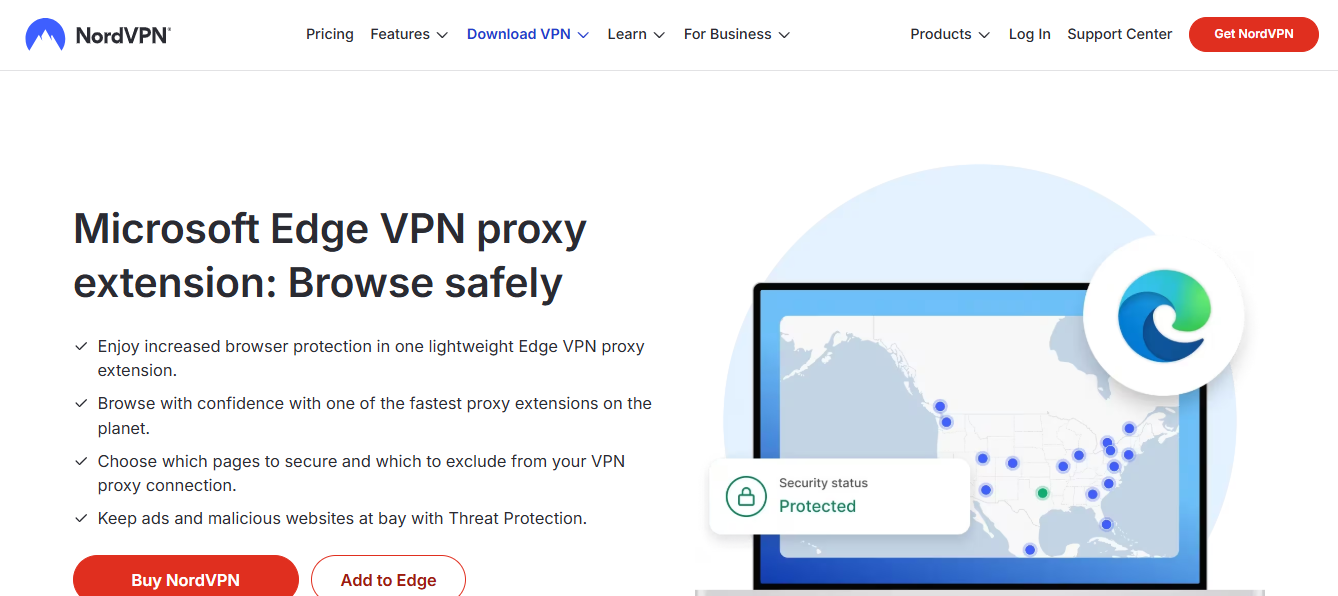
Setup vpn extension for edge install configure and optimize microsoft edge vpn extensions for secure browsing. Quick fact: a good VPN extension in Edge can dramatically improve your online privacy and control over data sharing in under five minutes. Here’s a practical, step-by-step guide you can follow right now:
- Step-by-step: Install the VPN extension from the Edge Add-ons store, configure the settings, and test your connection.
- Quick setup checklist: enable the extension, choose a server, turn on kill switch if available, and verify your IP changed.
- Use-case snapshots: streaming securely, public Wi-Fi safety, and bypassing regional content with consent and compliance.
- Troubleshooting quick tips: restart Edge, re-authenticate, switch servers, or try another VPN provider. Useful resources un clickable text only: Apple Website - apple.com, Artificial Intelligence Wikipedia - en.wikipedia.org/wiki/Artificial_intelligence, Microsoft Edge support - support.microsoft.com, VPN best practices - vpnmentor.com, Edge extensions store - microsoft.com/edge/extensions
Why you should use a VPN extension in Microsoft Edge
- Protects data on public Wi‑Fi networks
- Masks your IP address and helps reduce tracking
- Keeps your browsing activity private from ISPs and some advertisers
- Quick to enable and switch servers without leaving the browser
Statistics to consider:
- A large number of Edge users report improved privacy and security after enabling native browser extensions and VPNs.
- VPNs can reduce latency in some cases when gaming or streaming through nearby servers.
- Data shows that most users switch servers for faster speeds rather than just privacy.
How VPN extensions for Edge work
- Edge VPN extensions act as a bridge between your browser and the VPN service.
- They tunnel your browser traffic through a VPN server, while other apps on your device may stay on your regular network unless the VPN is system-wide.
- They can offer split tunneling, kill switch, and auto-connect features in a lightweight package.
- Some extensions also integrate with account dashboards for server and protocol choices.
Choosing the right VPN extension for Edge
- Security standards: look for OpenVPN, WireGuard, or IKEv2 support.
- Privacy policies: no-logs commitments and transparent data practices.
- Performance: servers in multiple regions, bandwidth caps, and speed-test data.
- Compatibility: works with Edge on Windows, macOS, and mobile versions where applicable.
- Features worth having: kill switch, auto-connect, DNS leak protection, and split tunneling.
- Reputation and reviews: check independent test results and user feedback.
Step-by-step: Install a VPN extension in Edge
- Open Microsoft Edge and go to the Edge Add-ons store.
- Search for your preferred VPN extension e.g., “VPN” or the exact provider name.
- Click Add to Edge, then confirm the installation.
- The extension icon appears on the toolbar. Click it to begin setup.
- Sign in or create an account if required by the provider.
- Pick a server region, choose a protocol if available, and toggle on kill switch or DNS protection if you want extra security.
- Perform a quick IP check by visiting a site like whatismyipaddress.com to confirm your traffic is routed through the VPN.
- Optional: enable auto-connect and set app permissions per your comfort level.
Quick start tips for a smoother experience
- Start with a nearby server for better speeds and lower latency.
- Turn on the kill switch to prevent data leaks if the VPN disconnects unexpectedly.
- Use DNS protection to avoid DNS leaks that might reveal your browsing history.
- Test streaming or browsing in a new tab to verify the VPN is active and working as expected.
- Keep the Edge browser and the extension up to date for the latest security fixes.
Advanced configuration options
- Auto-connect on startup: ensures protection from the moment you boot your computer.
- Split tunneling: allow only matching sites to go through the VPN while others use your regular connection.
- Protocol choice: WireGuard typically offers a good balance of speed and security; OpenVPN is very widely supported but may be slower in some networks.
- DNS configuration: use provider DNS or third-party DNS with private DNS features to reduce DNS leaks.
- Kill switch sensitivity: set to block all traffic or only block when VPN disconnects abruptly.
Common issues and fixes
- Issue: VPN not connecting
- Check your internet connection, refresh the extension, re-log in, try a different server, or switch protocol.
- Issue: Slow speeds
- Try closer servers, use WireGuard if available, disable other bandwidth-heavy extensions, or temporarily turn off IPv6 if it’s causing conflicts.
- Issue: DNS leaks
- Ensure DNS protection is enabled in the extension and consider enabling a private DNS option.
- Issue: Edge extension not visible
- Restart Edge, reinstall the extension, or clear browser data if necessary.
- Issue: Kill switch not working
- Check for app permissions, update the extension, or consult the provider’s support for known issues.
Security considerations when using Edge VPN extensions
- Do not rely on a single provider for all online privacy; consider a combination of browser-level protections and system-wide VPN if sensitive work is involved.
- Always verify the VPN’s jurisdiction and data retention policies to understand what data may be collected.
- Be mindful of browser telemetry and extensions that request broad permissions; only install trusted extensions.
- Keep Windows or macOS security settings enabled, including firewall and anti-malware protections.
- If using corporate devices, follow your organization’s policy for VPNs and extensions to avoid policy violations.
Performance optimization strategies
- Choose servers in the same geographic region for best speeds unless you need to bypass geo-blocks.
- Temporarily disable background downloads or heavy streaming while testing VPN performance.
- Use the fastest protocol available within your VPN’s options.
- Regularly purge old server lists to avoid connection retries or stale data.
- Consider a paid plan if you need reliable performance and better server coverage.
Comparison: Edge VPN extensions vs. system-wide VPN clients
- Edge VPN extensions are browser-focused; system-wide VPNs secure all traffic on the device.
- If you primarily browse in Edge, an extension can be sufficient and simpler.
- For full device privacy, a dedicated VPN client adds protection beyond the browser.
- Extensions are quick to deploy but depend on browser stability; system-wide VPNs require more setup but cover all apps.
Best practices for secure browsing with Edge VPN extensions
- Enable automatic connection on startup to ensure no browser traffic leaks when you forget to connect.
- Use strong, unique passwords for your VPN account and enable multi-factor authentication where available.
- Avoid public Wi‑Fi without a VPN; if you must, keep the VPN connected and use the kill switch.
- Regularly review extension permissions and disable any unnecessary access.
- Clear your browser’s cookies and cache occasionally to reduce tracking across sessions.
Real-world use cases
- Remote work: Connect to your company’s region to access internal resources securely.
- Streaming: Access geo-restricted content with another country server, while ensuring your privacy.
- Public spaces: Protect sensitive searches and forms on cafés or airports’ networks.
Privacy and policy considerations to keep in mind
- VPNs do not grant anonymity; they mask the IP and encrypt traffic, but sites can still track you via other means.
- Some services actively block VPN traffic; rotating servers or changing protocols can help in those cases.
- Always review provider privacy policy for data handling, logging, and data retention practices.
- If you’re in a country with strict internet controls, ensure you’re compliant with local laws when using VPNs.
Performance testing and validation
- Test your IP and location after connecting to a VPN server.
- Run a speed test to compare baseline speeds with VPN-on speeds.
- Check for DNS leaks by running a DNS leak test.
- Validate that your streaming/communication apps function properly with the VPN enabled.
Maintenance and updates for long-term reliability
- Regularly update Edge, the VPN extension, and any related security tools.
- Periodically review server lists and replace slow or unreliable servers.
- Stay informed about any changes to privacy policies or security advisories from your VPN provider.
- Consider subscribing to provider newsletters or security blogs to stay ahead of threats.
Practical implementation checklist
- Install VPN extension from Edge Add-ons store
- Sign in or create VPN account
- Select a server region and protocol
- Enable kill switch and DNS leak protection
- Run an IP and DNS leak test
- Enable auto-connect on startup
- Verify performance with a speed test
- Review permissions and privacy settings
Quick-start summary
- Installation: Add to Edge and sign in
- Configuration: Server, protocol, kill switch, DNS protection
- Validation: IP check, DNS leak test, speed test
- Maintenance: Updates and server management
Useful setup resources
- Edge Extensions Store - microsoft.com/edge/extensions
- Microsoft Edge security guide - support.microsoft.com
- OpenVPN project - openvpn.net
- WireGuard - www.wireguard.com
- What is a VPN? - en.wikipedia.org/wiki/Virtual_private_network
- DNS leak test - dnsleaktest.com
- WhatIsMyIP - whatismyipaddress.com
Frequently Asked Questions
What is a VPN extension for Edge?
A VPN extension for Edge is a browser add-on that routes your Edge browser traffic through a VPN server, providing encryption and IP masking for your browsing sessions.
Do I need a VPN extension if I already use a system-wide VPN?
If you mainly browse in Edge and want quick access, a browser extension can be convenient. For full-device protection, a system-wide VPN is recommended.
Can a VPN extension prevent tracking by advertisers?
A VPN can reduce visibility and change your apparent location, but it won’t stop all tracking by advertisers. Combine with privacy-focused settings and anti-tracking extensions.
Will a VPN extension slow down my browsing?
It can, especially on distant servers or busy networks. Choose nearby servers and appropriate protocols to minimize impact. Purevpn extension chrome: the ultimate guide to using PureVPN Chrome extension, setup, features, tips, and comparisons 2026
How do I test if my VPN is working in Edge?
Visit a site like whatismyipaddress.com and verify your IP changed to the VPN server location. Run a DNS leak test as well.
Is it safe to use free VPN extensions?
Free VPNs often come with limits or privacy concerns. Paid options typically offer better security, reliability, and privacy commitments.
What protocols should I choose in a VPN extension?
WireGuard is fast and efficient; OpenVPN is widely supported and secure. If available, try WireGuard first for better performance.
How do I enable the kill switch in an Edge VPN extension?
Find the kill switch option in the extension’s settings and toggle it on. This blocks traffic if the VPN disconnects unexpectedly.
Can I use a VPN extension on mobile devices?
Some VPN providers offer Edge-compatible extensions on mobile browsers; however, check your provider’s app availability for iOS and Android. Proton vpn edge extension download 2026
What should I do if the VPN connection drops frequently?
Try a different server, switch protocol, update the extension, or contact support. Ensure your kill switch is enabled to prevent leaks.
Yes, you can set up a VPN extension for Edge. In this guide, you’ll get a practical, step-by-step walkthrough to install, configure, test, and optimize a VPN extension right in Microsoft Edge. We’ll cover why you’d want an Edge extension versus a system-wide VPN, how to pick a reputable provider, common pitfalls, and best practices for privacy and speed. If you’re curious about a solid deal, NordVPN’s Edge extension has a popular offer right now—77% off plus 3 months free—worth considering as you weigh options. NordVPN 77% OFF + 3 Months Free
Useful resources and starting points unlinked here for quick reference:
- Edge Add-ons store
- NordVPN official site
- Microsoft Edge support documentation
- DNS leak testing sites e.g., dnsleaktest.com
- VPN privacy and security guides
Table of contents
- What is a VPN extension for Edge?
- Why use an Edge VPN extension?
- Edge vs. system-wide VPN: pros and cons
- Top VPN extension options for Edge
- Step-by-step: Setup vpn extension for edge
- Advanced configuration and features
- Troubleshooting common issues
- Performance, privacy, and security considerations
- Maintenance and updates
- Useful resources
- Frequently Asked Questions
What is a VPN extension for Edge?
A VPN extension for Edge is a browser add-on that routes the Edge browser’s traffic through a VPN server. Unlike a full VPN app that controls an entire device’s traffic, a browser extension focuses on what you do inside the browser—surfing, streaming in the browser, and accessing geo-blocked content within Edge. Some extensions tie into a provider’s broader service, offering features like a kill switch for the browser, DNS leakage protection, and server lists, while others are lightweight tools designed for quick bursts of privacy. Online vpn for microsoft edge 2026
Key distinctions
- Browser extension vs. system-wide VPN: Extensions handle Edge traffic. a full VPN app covers all apps on your device.
- Features vary by provider: You’ll see differences in server selection, protocol options, and built-in protections such as WebRTC/DNS leak prevention.
- Performance impacts: Extensions typically add less overhead than a full VPN client, but performance can still vary based on server distance and congestion.
Why use an Edge VPN extension?
- Quick privacy boost while you browse: Hide your IP and encrypt browser traffic to reduce tracking.
- Bypass geo-restrictions for browser-based content: Stream videos or access sites that are limited to certain regions.
- Lightweight option for on-the-go browsing: Easy to toggle on/off without changing system-wide settings.
- Compatibility and convenience: Some providers design extensions to work seamlessly with Edge’s interface and security features.
Statistics and trends show that many users favor browser-based VPN solutions for simple privacy hardening and streaming-friendly configurations. The VPN market continues to grow as more people demand privacy, security, and access to global content without slow, heavy-handed setups. For Edge users, a reputable extension is a practical first step before deciding if a full-system VPN is necessary.
Edge vs. system-wide VPN: pros and cons
Pros of Edge VPN extensions
- Faster quick-start: Install and activate in minutes.
- Minimal impact on non-browser apps: Your desktop apps keep their normal connections.
- Easy to manage within Edge: One-click on/off and simple server selection.
Cons of Edge VPN extensions
- Only protects browser traffic unless the provider offers a standalone app.
- Some sites may still use browser leaks if DNS or WebRTC isn’t properly protected.
- Fewer advanced features than full VPN clients depending on the provider.
When you want thorough protection across your entire device, a system-wide VPN app is typically the better long-term option. If your goal is privacy while browsing, unblocking browser-based content, or testing different regions from Edge, a well-chosen Edge extension can be a great fit.
Top VPN extension options for Edge
- NordVPN Edge extension: Popular for privacy, fast servers, and a robust network. It often combines a browser extension with a system-wide app, giving you flexible protection options.
- ExpressVPN Edge extension: Known for strong performance and reliable server access.
- Surfshark Edge extension: Attractive pricing, good features like island of privacy and unlimited device connections via the main app.
- Mullvad and ProtonVPN: Options with strong privacy stances. extension support varies by platform.
Note: When evaluating extensions, verify the following: Online vpn edge 2026
- Encryption standards AES-256 is common
- Protocols supported WireGuard-based options like NordLynx are fast and secure
- Leaks protection DNS and WebRTC
- Kill switch behavior browser-level or system-wide
- Server coverage and consistency
- Logging policies and privacy commitments
Step-by-step: Setup vpn extension for edge
- Choose a reputable VPN provider
- Look for providers with a clear privacy policy, transparent logging statements, and a good track record in independent audits.
- Prioritize fast, stable servers near your location to minimize latency.
- Confirm that the Edge extension is actively maintained and integrates well with Edge’s security features.
- Prepare your Edge environment
- Update Edge to the latest version to ensure compatibility with the latest extensions.
- Review Edge’s privacy and security settings, and consider enabling site privacy protections that align with your browsing goals.
- Install the Edge extension
- Open Edge and go to the Edge Add-ons store.
- Search for your chosen VPN extension e.g., NordVPN, ExpressVPN, Surfshark.
- Click Add to Edge and confirm the installation.
- You should see the extension icon appear in Edge’s toolbar.
- Sign in and configure
- Click the VPN extension icon in the toolbar.
- Sign in with your VPN account credentials.
- Grant any requested permissions that will allow the extension to manage connections and protect DNS as needed.
- Connect to a server
- Use the extension to select a server. If you want the best balance of speed and reliability, start with a nearby country or “Auto”/“Smart” server option if available.
- Some extensions offer a “Kill Switch” toggle—enable it for additional protection if your device’s network drops unexpectedly.
- For privacy-conscious users, enable DNS leak protection and WebRTC blocking if the option is present in Edge.
- Verify your connection
- After connecting, verify your IP address and location using a reputable online IP checker.
- Check for DNS leaks using a leak test website.
- Make sure Edge pages load normally and media playback isn’t buffering excessively.
- Optimize for your use case
- If you’re streaming, test a few servers to find one with minimal buffering.
- If you’re privacy-focused, choose servers with strong privacy reputations and ensure features like tracker blocking are active.
- If you’re accessing content from a different country, switch to a server in that region and test.
- Regular maintenance
- Keep the extension updated by installing the latest extension updates from Edge.
- Periodically review server lists and switch to less congested servers when needed.
- Re-check your privacy settings after major Edge or OS updates.
Advanced configuration and features
- Split tunneling where available: Route specific sites or services through the VPN while leaving others using your standard connection. This is handy if you want to keep local access for certain sites or services while protecting sensitive traffic.
- Browser-specific kill switch: Some extensions offer a browser-level kill switch, which blocks traffic if the VPN disconnects. This is useful if you want to prevent data exposure during unplanned VPN drops.
- Auto-connect and trusted networks: Enable auto-connect on startup or when joining untrusted networks to ensure browsing stays protected in cafés or airports.
- DNS leak protection: Ensure the extension enforces DNS queries to pass through the VPN’s DNS servers to minimize leakage risk.
- WebRTC protection: Some extensions or providers offer protection against WebRTC leaks, a common concern for VPN users who rely on browser-based protection.
- Per-site protection Only for this site or site exceptions: Some extensions let you enable VPN only for specific sites or bypass certain sites where you don’t want VPN routing.
Tips for optimizing Edge extension performance:
- Choose servers nearby to reduce latency.
- Use UDP-based protocols when offered for faster speeds, if your extension supports protocol selection.
- Disable browser extensions that conflict with VPN DNS settings if you notice leaks or instability.
Troubleshooting common issues
The extension won’t connect
- Ensure you’re signed in correctly and the account is active.
- Try a different server to check if the problem is server-specific.
- Restart Edge, then re-launch the extension.
VPN connection drops or unstable performance
- Check your internet connection and switch to a different server.
- Enable the kill switch if it’s available to prevent leaks during drops.
- Verify there are no conflicting firewall rules or antivirus settings blocking VPN traffic.
DNS or IP leaks detected
- Re-enable DNS leak protection in the extension settings.
- Clear browser cache and flush DNS on your operating system.
- Verify WebRTC protection is enabled in the extension or browser.
Extension not appearing in Edge toolbar Microsoft edge security settings 2026
- Reinstall the extension from the Edge Add-ons store.
- Ensure Edge isn’t restricting extension visibility due to enterprise policies or security settings.
Incompatibility with certain sites or apps
- Use the “Only use VPN for this site” or similar per-site options if available.
- Try a different server or protocol setting.
- Check if the site uses additional fingerprinting or anti-VPN detection and adjust accordingly.
Performance, privacy, and security considerations
- Speed impact: Expect some slowdown due to encryption and routing through VPN servers. Proximity to the server and server load are big factors.
- Privacy expectations: A reputable VPN extension can significantly reduce tracking and hide your IP in the browser, but it’s not a magic shield. Your device’s overall privacy depends on broader security practices up-to-date software, strong passwords, etc..
- Trust and audits: Prefer providers with independent audits and transparent privacy policies. Remember that a browser extension can log browser activity. verify what a provider actually logs.
- Edge-specific security: Combine the extension with Edge’s built-in privacy features tracking protection, sandboxing, and enhanced security settings for a layered approach.
Maintenance and updates
- Regular updates: Always keep Edge, the VPN extension, and the main VPN app if there is one updated to patch vulnerabilities and improve compatibility.
- Review privacy policy after major updates: VPN providers may update their data handling or feature sets.
- Reassess need: If your threat model changes e.g., new privacy requirements, different work environments, reconsider whether an Edge extension still meets your needs or if a full system-wide VPN is a better fit.
Useful resources
- Edge Add-ons store help and tips
- VPN provider official help pages and tutorials
- DNS leak testing guides and tools
- Privacy-focused browser configuration guides
- Tech community discussions and user reviews
Frequently Asked Questions
How do I install a VPN extension in Edge?
Install the extension from the Edge Add-ons store, sign in with your VPN account, grant required permissions, and connect to a server. Verify your new IP and test for leaks.
Is a VPN extension enough for privacy?
A browser extension improves privacy for Edge browsing, but for full device protection you should consider a system-wide VPN app and good device hygiene. Extensions plus a strong overall privacy strategy offer a practical balance.
Can Edge extensions protect my entire device’s traffic?
Not by themselves. Edge extensions protect only Edge traffic. For system-wide protection, use a VPN client on your device in addition to the Edge extension.
How can I test for DNS leaks after enabling the VPN extension?
Use a reputable DNS leak test site. If the results show the VPN provider’s DNS servers, you’re likely protected. If not, enable DNS protection in the extension or adjust settings. Secure vpn use for online privacy in 2026: best practices, setup guides, and top VPN picks
Does NordVPN offer an Edge extension?
Yes, NordVPN provides an Edge extension that integrates with their broader service. It’s common to use their browser extension alongside their desktop app for full protection.
Will a VPN extension slow down my browsing?
Some slowdown is normal due to encryption and routing. Latency depends on server distance, load, and your baseline connection speed. Try nearby servers to minimize impact.
Can I bypass geoblocks with an Edge VPN extension?
In many cases, yes. Connect to a server in the country where the content is available, then refresh the page. Some streaming services actively detect VPNs, so results can vary.
Is it safe to use a free VPN extension in Edge?
Free extensions can pose privacy and security risks, including limited protections and potential data monetization. It’s generally safer to choose a reputable paid provider.
How do I choose the best Edge VPN extension for me?
Consider privacy policy clarity, server counts, speed, stability, protocol options WireGuard-based options are fast and secure, and whether the extension offers features like a kill switch and DNS/WebRTC leaks protection. Surfshark vpn contact number: how to reach Surfshark support, live chat, email, hours, and alternative contact methods 2026
Can I use Edge’s built-in privacy features with a VPN extension?
Yes. Edge’s tracking protection and privacy controls complement a VPN extension, giving you layered privacy. Don’t rely on Edge alone for privacy. combine features for best results.
How do I troubleshoot a VPN extension that won’t connect on Edge?
First, verify sign-in status and server availability. Restart Edge, switch servers, and check for conflicting security software. If issues persist, reinstall the extension and confirm it has the latest updates.
Do I need a separate VPN account to use the Edge extension?
Yes. Most Edge VPN extensions require a VPN account with the provider. You’ll typically sign in within the Edge extension to access servers and features.
Can I use a VPN extension on mobile Edge?
Many providers offer mobile-compatible extensions or companion apps for iOS and Android. Check your provider’s compatibility list and app store for Edge-specific support.
How do I switch servers quickly in Edge?
Open the extension, choose a server from the list, and click connect. Some extensions offer a “Smart” or “Fastest” option to streamline this process. Super vpn extension edge 2026
What should I do if I suspect a VPN extension is logging my data?
Review the provider’s privacy policy and consider running a privacy audit or switching to a provider with independent audits and transparent data practices.
Are VPN extensions legal everywhere?
VPN usage is legal in many places, but some countries regulate or restrict VPN use. Always be aware of local laws and terms of service when using a VPN extension.
Can I run multiple VPN extensions in Edge?
Typically not simultaneously. You’d switch between extensions or use one extension that suits your needs best. If you require multiple layers of protection, a combination of a browser extension and a separate VPN app can be considered.
Vpn电脑版下载:全面指南与实操要点,适用于 Windows/macOS/Linux 的安装、配置与优化