Setup vpn microsoft edge 2026
'%2F%3E%3Ctext%20x%3D'50%25'%20y%3D'50%25'%20dy%3D'.35em'%20text-anchor%3D'middle'%20font-family%3D'-apple-system%2CBlinkMacSystemFont%2CSegoe%20UI%2Csystem-ui%2Csans-serif'%20font-size%3D'100'%20font-weight%3D'600'%20fill%3D'%23fff'%3EMN%3C%2Ftext%3E%3C%2Fsvg%3E) Mira Navarrete·April 11, 2026·21 min
Mira Navarrete·April 11, 2026·21 min
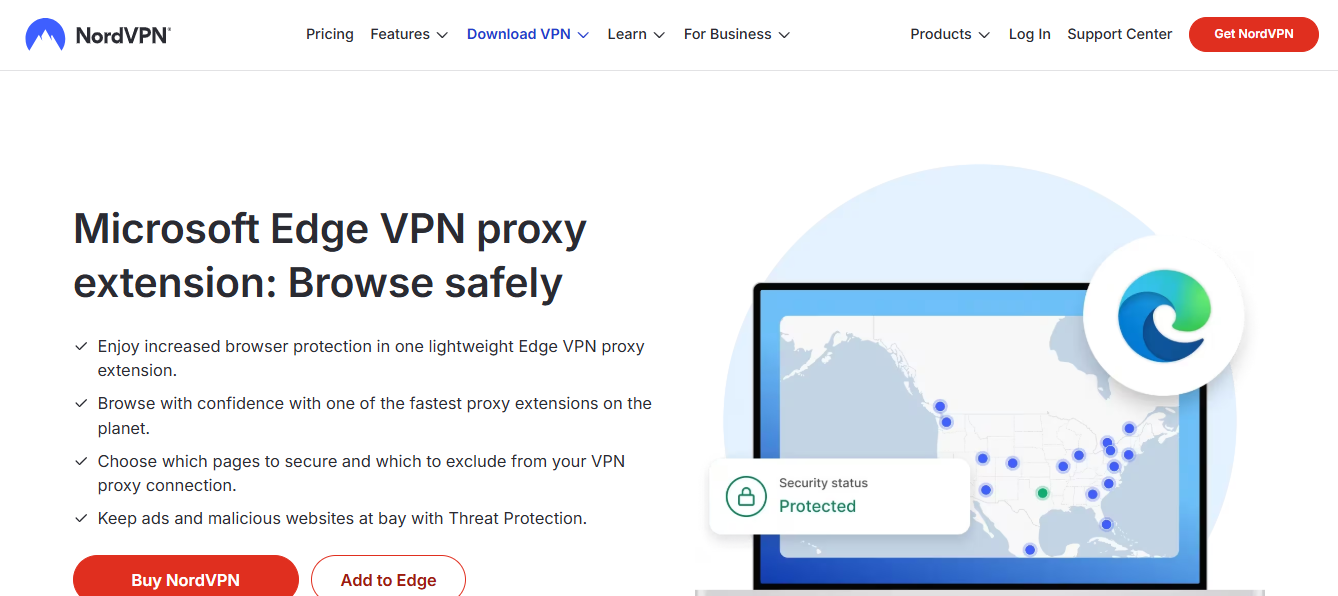
Setup vpn microsoft edge: A quick guide to getting a VPN up and running in Microsoft Edge, plus tips to stay secure and private online. Here’s the short summary: you’ll install a reputable VPN extension from the Edge Add-ons store or configure a VPN profile via system settings, then switch on protection, pick a server, and test your connection. Below you’ll find a step-by-step guide, comparisons, and practical advice to help you choose the right setup for your needs.
- Quick fact: Using a VPN with Edge can help you bypass regional restrictions, protect your data on public Wi‑Fi, and keep your browsing private from ISPs and network admins.
- What you’ll learn:
- How to install and enable a VPN extension in Edge
- How to configure built-in Edge features for privacy
- When to use a VPN vs. a proxy
- Common pitfalls and troubleshooting steps
- A practical checklist to stay safe online
Useful URLs and Resources text only, not clickable:
- Edge Add-ons store - https://microsoftedge.microsoft.com/addons
- VPN provider comparison guide - https://www.techradar.com/vpn
- Privacy and security basics - https://www.wired.com/tag/security
- How to test VPN leaks - https://www.doileak.com
- Microsoft support: VPN in Windows - https://support.microsoft.com
- Best practices for online privacy - https://www.eff.org
Why Use a VPN with Microsoft Edge
A VPN virtual private network creates an encrypted tunnel for your internet traffic, which means:
- Your ISP and local network can’t easily see what you’re doing.
- Your real IP address is hidden behind the VPN server’s IP.
- You can access content that’s blocked in your region or on certain networks.
- Public Wi‑Fi becomes a lot safer because traffic is encrypted.
Edge helps you leverage VPNs in two main ways: through extensions available in the Edge Add-ons store, and by using Windows’ built-in VPN capabilities that Edge can route through. I’ll show you both so you can pick what fits your setup.
Quick Start: Install a VPN Extension in Edge
- Pick a reputable VPN provider with a solid no-logs policy and good speeds.
- Open Microsoft Edge and go to the Edge Add-ons store.
- Search for your VPN provider’s extension e.g., “NordVPN,” “ExpressVPN,” “ProtonVPN”.
- Click Add to Edge, then Confirm Add Extension.
- In Edge, click the puzzle piece icon Extensions and pin the VPN extension for quick access.
- Log in to the extension with your VPN account credentials.
- Choose a server/location and toggle the VPN on.
Tips:
- Use the extension’s auto-connect or “Smart Connect” feature if you’re unsure which server to pick.
- Enable the VPN’s kill switch if available to prevent leaks if the connection drops.
- Some VPNs offer browser-specific profiles; check settings to enable only Edge traffic or all device traffic, depending on your needs.
Built-in Edge and Windows Options
Edge itself doesn’t include a VPN in the browser, but you can route Edge traffic through a Windows VPN or a VPN extension. Here are two robust options:
Option A: Windows VPN System-Wide Purevpn extension chrome: the ultimate guide to using PureVPN Chrome extension, setup, features, tips, and comparisons 2026
- This protects all apps, including Edge, not just the browser.
- Steps:
- Open Windows Settings > Network & Internet > VPN > Add a VPN connection.
- Enter your VPN provider details server name or address, VPN type, sign-in info.
- Save, then connect. Confirm the VPN shows as connected in the network menu.
- Pros: Comprehensive protection; easy to switch on/off system-wide.
- Cons: If your VPN has a monthly limit or slow speeds, you feel it across all apps.
Option B: Edge Extension + Split Tunneling if your provider supports it
- Split tunneling lets you decide which apps go through the VPN and which don’t.
- Steps:
- Install the VPN extension in Edge as described above.
- In the VPN app or extension, look for Split Tunneling or App Exclusions.
- Add Edge to the VPN, or set it to bypass for certain sites if you need local access less common for privacy-focused users.
How to Test Your VPN in Edge
- Check IP address: Visit a site like whatismyip.com and confirm the IP matches the VPN server’s location.
- DNS leak test: Use dnsleaktest.com to ensure your DNS requests aren’t leaking.
- WebRTC leak test: Some VPNs don’t block WebRTC; test at people's website like ipleak.net.
- Speed test: Run a speed test on a site like speedtest.net to see if VPN latency is acceptable.
- Leak checks should be done with the VPN active and then with it off to compare.
Common VPN Scenarios and How to Handle Them
- Accessing geo-blocked content e.g., streaming libraries:
- Connect to a server in the target country. If that server is slow, try nearby countries first or use the VPN’s streaming-optimized servers if available.
- Public Wi‑Fi safety:
- Always enable the VPN when on hotels, cafés, or airports. Use a trusted provider with strong encryption AES-256 and a kill switch.
- Privacy from trackers:
- Combine a VPN with privacy-focused extensions e.g., uBlock Origin, HTTPS Everywhere and consider disabling third-party cookies.
- Work or school networks:
- If your network requires a VPN, follow your IT department’s guidelines. Some workplaces monitor traffic; ensure you’re compliant.
Privacy and Security Best Practices
- Choose a reputable VPN with a clear privacy policy and no-logs commitment.
- Prefer OpenVPN or WireGuard protocols for strong security and good speed.
- Enable the kill switch and DNS leak protection where possible.
- Keep your Edge browser and VPN extension updated to patch security flaws.
- Avoid free VPNs; many monetize by selling user data or injecting ads.
- Regularly review app permissions and extensions; disable unused ones.
Performance Tips: Getting the Best Speed
- Pick a server geographically close to you to reduce latency.
- Try different servers within the same country to find a fast one.
- Use WireGuard-based servers if your provider supports it; it’s typically faster and more efficient.
- Close other bandwidth-heavy apps while testing speeds.
- If Edge becomes unstable, try temporarily disabling hardware acceleration in Edge settings.
Accessibility and Convenience: Quick Tips
- Pin the VPN extension to your Edge toolbar for one-click on/off.
- Use Edge’s Profiles feature to switch between work/personal VPN setups quickly.
- Create a simple bookmark folder with a quick guide to your most-used VPN servers.
- If you share a device, consider enabling a guest profile with strict VPN rules.
Troubleshooting Common Issues
- VPN won’t connect:
- Check your internet connection, verify credentials, and try a different server.
- Restart Edge, refresh the VPN extension, or reinstall the extension.
- DNS leaks detected:
- Enable DNS leak protection in your VPN settings; consider switching to a different DNS option within the VPN app.
- Slow speeds:
- Test multiple servers, switch protocols OpenVPN vs. WireGuard, and ensure no other apps are hogging bandwidth.
- Edge crash or freeze:
- Disable conflicting extensions, clear cache, and update Edge to the latest version.
Comparison: VPN Extension vs. System VPN
- VPN Extension in Edge:
- Pros: Easy to manage per-browser; quick access; some providers offer browser-specific features.
- Cons: Only routes Edge traffic unless the system route is set to go through VPN.
- System VPN Windows:
- Pros: All traffic protected; more consistent security across apps.
- Cons: Slightly more setup; may affect other apps’ performance.
Cost Considerations
- Paid VPNs: Usually offer better speed, reliability, support, and privacy guarantees.
- Free VPNs: Often come with caps, slower speeds, and data usage limits; many monetize via ads or data collection.
- Long-term plans vs. monthly plans: If you’re serious about privacy and regular use, a yearly plan often saves money.
Maintenance: Keeping Your Setup Safe
- Update your Edge browser and VPN extension regularly.
- Review and manage extensions every few months; remove any you don’t use.
- Periodically audit your VPN’s privacy policy for changes.
- Back up your VPN credentials in a secure password manager.
Real-World Use Cases
- Student on campus: Access library resources blocked to outside IPs by using a campus-appropriate server.
- Remote worker: Route all work traffic through the VPN to protect sensitive documents.
- Traveler: Switch to a local server for region-specific pricing or services.
SEO-Friendly Takeaways
- If you’re optimizing a video about Setup vpn microsoft edge, highlight steps clearly with numbered lists and use subheadings to guide viewers.
- Include practical, relatable examples and common pitfalls to boost watch time and engagement.
- Add a short checklist at the end of each major section to reinforce learning.
Frequently Asked Questions
How do I install a VPN extension in Microsoft Edge?
Install the VPN extension from the Edge Add-ons store, pin it to your toolbar, log in, and connect to a server. Use features like auto-connect and kill switch for easier use.
Can I use a VPN with Edge without a separate app?
Yes, you can use a VPN extension in Edge or configure Windows’ built-in VPN, which will route all traffic, including Edge, through the VPN.
Will a VPN slow down my connection?
It can, depending on server distance, server load, and protocol. Try nearby servers, different protocols WireGuard/OpenVPN, and a fast VPN provider.
How do I test if my VPN is leaking DNS or WebRTC?
Run tests on dnsleaktest.com and ipleak.net while the VPN is connected. If leaks show up, enable DNS leak protection or disable WebRTC in browser settings if available. Proton vpn edge extension download 2026
Should I use a VPN on public Wi‑Fi?
Absolutely. Public networks are riskier; a VPN adds encryption and hides your traffic from others on the same network.
What’s the best VPN protocol for Edge?
WireGuard is often fast and secure, followed by OpenVPN. Check your provider for protocol options and choose based on speed and security needs.
Is a free VPN a good option?
Free VPNs often come with limits and privacy concerns. For serious privacy and reliability, a reputable paid VPN is usually worth it.
Can I use a VPN for streaming in Edge?
Yes, if the VPN has servers in the region you want and supports streaming. Some VPNs optimize streaming traffic; look for those servers.
How do I switch servers quickly in Edge?
Open your VPN extension, choose a different server/location, and click connect. Some extensions offer favorites or quick-access lists. Online vpn for microsoft edge 2026
How do I protect my privacy beyond a VPN in Edge?
Use privacy-focused extensions like HTTPS Everywhere, privacyBadger, block third-party cookies, enable Edge’s tracking prevention, and keep software updated.
Do I need a VPN on every device?
If you want full protection across apps and services, yes. You can start with Edge on one device and expand to your phone, tablet, and other computers.
Can I use a VPN if I’m using a work or school network?
Many networks restrict VPN traffic. Check policy and get guidance from IT if you’re on a managed network.
Closing Notes
Setting up vpn microsoft edge doesn’t have to be a headache. With the right VPN extension or a system-wide VPN, you can safely browse, access geo-restricted content, and keep your data private. Remember to pick a reputable provider, enable essential protections like a kill switch and DNS leak protection, and regularly review your privacy settings. If you want more step-by-step visuals or a personalized setup, drop your questions in the comments and I’ll walk you through your exact setup.
Setup vpn microsoft edge: how to configure a secure VPN in Microsoft Edge with extensions, system VPNs, step-by-step guide, and best practices
Yes, you can set up a VPN in Microsoft Edge. This guide walks you through two main paths—using a VPN extension directly in Edge or configuring a system-wide VPN on Windows—and shows you how to maximize privacy, keep speeds reasonable, and troubleshoot common issues. You’ll also find quick, practical steps, real-world tips, and safety reminders so you can browse with confidence. If you want extra privacy, check out NordVPN with 77% OFF + 3 Months Free
Online vpn edge 2026
NordVPN is just one option among many. If you’d rather explore without dedicating a whole article to one provider, you can compare several reputable services and their Edge compatibility. For now, here’s a practical plan you can follow today.
Useful URLs and Resources:
- support.microsoft.com/en-us/edge
- support.microsoft.com/windows
- nordvpn.com
- expressvpn.com
- protonvpn.com
- whatismyipaddress.com
- ipinfo.io
- edge.google.com/addons
Introduction overview
- This guide is built for Windows users who want to protect Edge traffic without sacrificing too much speed.
- You’ll learn two methods: installing a VPN extension in Edge and setting up a Windows VPN that routes Edge traffic.
- You’ll get step-by-step instructions, quick checks to verify you’re protected, and common gotchas to avoid.
- You’ll also see how to test for IP/DNS leaks and ensure you’re using a trustworthy provider with a kill switch and leak protection.
What is a VPN and why use it with Edge?
- A VPN virtual private network encrypts your data and hides your IP address from the sites you visit, especially on public Wi‑Fi or shared networks. For Edge users, that means your browser traffic is shielded when you’re browsing the web, shopping online, or accessing work resources remotely.
- Two main benefits apply to Edge users: privacy hide your real IP from websites and security protect data in transit. A third benefit, location spoofing, can help you access geo-restricted content or test regional variants of a site.
- Stats show VPN adoption is on the rise in many markets: a growing share of internet users report using a VPN regularly, with higher adoption in regions where privacy concerns or censorship are issues. The VPN market is forecast to stay in the tens of billions of dollars range through the next few years, reflecting ongoing demand for private, secure online experiences.
Two main ways to set up a VPN for Edge Microsoft edge security settings 2026
- Method A: Install a VPN extension in Microsoft Edge
- Method B: Set up a system VPN in Windows the Edge browser will use the system connection automatically
Method A: Install a VPN extension in Microsoft Edge What you’ll do
- Open Edge and go to the Edge Add-ons store Edge’s extensions catalog and search for a VPN extension.
- Pick a reputable provider NordVPN, ExpressVPN, ProtonVPN, or your current service.
- Click Get or Install, then add the extension to Edge and pin it for quick access.
- Sign in to your VPN account within the extension and connect to a server location that fits your needs performance, privacy, or streaming.
- Optional settings to consider: a kill switch, DNS leak protection, automatic startup, and per-site routing if your provider supports it.
Step-by-step guide
- Launch Microsoft Edge and open the extensions store: edge://extensions or Edge Add-ons category privacy.
- Search for the VPN extension you trust. If you already have a provider, look for that exact extension.
- Click Get/Install, then confirm the permissions. Extensions typically request access to WebRequests or tabs to route browser requests.
- After installation, click the extension icon in the toolbar and sign in to your VPN account.
- Choose a server location. For privacy, pick a location with strong privacy laws. for streaming, pick a location that grants access to the content you want.
- Enable Features: ensure the extension’s built‑in protection kill switch, DNS leak protection, WebRTC protection is turned on if available.
- Test your connection: visit whatismyipaddress.com or ipinfo.io to confirm your visible IP matches the server location. If not, switch servers and test again.
- Optional: disable other VPNs or proxies inside Windows to avoid conflicts. Only one VPN at a time generally works best for the browser.
Tips and caveats Edge extension
- Extensions can be fast and convenient, but they only protect traffic going through Edge, not other apps. If you want cross‑app protection, use a system VPN Method B in addition to or instead of an Edge extension.
- Some free extensions are limited in speed and privacy. Choose a reputable provider with a clear privacy policy and a kill switch.
- Edge extensions work well on Chromium-based Edge. If you primarily use Chrome, you’ll notice similar steps because Edge supports Chrome extensions in many cases, but always verify compatibility with Edge’s extension store.
- DNS leak protection is important. If your extension doesn’t offer it, ensure the Windows system DNS settings don’t leak your real IP.
Method B: Set up a system VPN in Windows Edge will use the system connection
- Install a Windows VPN client or configure a built‑in Windows VPN connection. A system VPN will route all traffic not just Edge through the VPN.
- If you prefer, you can set up a manual VPN IKEv2/L2TP or OpenVPN via Windows settings or your provider’s app. The exact steps depend on the provider.
- Verify the VPN is connected, then test traffic to ensure your IP/address is masked.
Step-by-step guide for Windows VPN simplified Secure vpn use for online privacy in 2026: best practices, setup guides, and top VPN picks
- Open Settings > Network & Internet > VPN.
- Click Add a VPN connection.
- Choose the VPN provider Windows built-in or your VPN vendor if you’re using their app. If you’re using a third‑party app, you’ll typically install and sign in there, and the app handles the routing.
- Fill in the required fields:
- Connection name: any name you’ll recognize e.g., Home VPN
- Server address: the VPN server you want to connect to your provider will give these
- VPN type: choose the protocol IKEv2 is common. OpenVPN might require the provider’s app
- Type of sign-in info: your username/password, a certificate, or a one‑time code
- Save, then select the VPN from the list and click Connect.
- When connected, Edge traffic will route through the VPN if you only have one VPN active. You can verify by visiting whatismyipaddress.com or ipinfo.io.
- Test for leaks: check DNS leaks by visiting dnsleaktest.com and WebRTC leaks by visiting ipleak.net. If you see your real IP anywhere, adjust settings disable WebRTC in Edge, enable DNS protection in the VPN, or choose a different server.
Split tunneling and when to use it
- Split tunneling lets you choose which apps or traffic go through the VPN and which go direct to the internet. If you want Edge to be protected but keep some local services fast, enable split tunneling in your VPN app.
- Not all VPNs support per-app split tunneling on Windows. If your provider does, you’ll find it in the extension settings or the VPN app’s configuration page.
Performance considerations and data
- VPNs add overhead due to encryption and longer routing paths. Expect a speed drop of roughly 5–20% on a good connection, depending on server distance and protocol.
- Server choice matters: nearby servers typically offer lower latency. If you’re streaming, choose a server known for stable throughput and minimal buffering.
- Some VPNs optimize for streaming and gaming — they maintain dedicated servers and higher throughput. If you rely on edge caching and dynamic content, a fast, reliable server matters most.
- Edge users often see better results with a wired connection or a fast Wi‑Fi signal 5 GHz when a VPN is active, especially for high‑definition video or large downloads.
Security tips and best practices
- Use a provider with a clear no-logs policy, a robust kill switch, and DNS leak protection.
- Enable automatic startup and startup‑on‑login if you’re concerned about forgetting to turn on protection.
- Regularly update the VPN extension or Windows VPN client to access the latest security fixes.
- Avoid free VPNs for anything sensitive. If you must test a free option, limit it to non-critical browsing and quickly switch to a reputable paid service.
- Consider using a reputable password manager and enabling two‑factor authentication for the VPN account.
Edge-specific tips
- If you’re using Edge extensions, you can enable or disable protection per site. This helps when streaming services block some VPNs but allow others.
- If your Edge performance feels slow, try a different server, disable other extensions temporarily to reduce overhead, or use a system VPN for a broader protection layer.
- Check WebRTC settings if you’re worried about leaks. Some VPNs or extensions help disable WebRTC in the browser to prevent IP leaks.
Troubleshooting common issues Surfshark vpn contact number: how to reach Surfshark support, live chat, email, hours, and alternative contact methods 2026
- Sites won’t load or show errors after connecting to a VPN: try a different server, clear browser cache, or restart the Edge extension or Windows VPN.
- DNS leaks: run a test on dnsleaktest.com. if leaks persist, enable DNS leak protection in the VPN app or switch to a provider that offers stronger DNS privacy.
- Slow speeds: test multiple servers, switch to a less congested location, ensure no other heavy‑bandwidth apps are running, and use a protocol that balances speed and security IKEv2 or WireGuard-based options usually work well.
- Connection drops: ensure your kill switch is enabled to block traffic if the VPN drops. check for compatibility issues with your firewall or antivirus that might block VPN traffic.
Edge, privacy, and legal considerations
- VPN usage is legal in most places, but it’s important to know local laws and service terms. Always use a VPN responsibly and within the bounds of applicable regulations.
- Some sites may still require you to log in or verify identity for access, even when using a VPN. If you run into access issues, try a different server location or check the service’s policy on VPN usage.
- Privacy is more than hiding your IP. Combine VPN usage with regular updates, strong passwords, and careful sharing of personal data online.
Frequently asked questions
Frequently Asked Questions
Can I use a VPN extension in Edge without a Windows VPN?
Yes. A VPN extension in Edge can encrypt and route Edge traffic, giving you browser‑level privacy. However, it won’t protect other apps on your PC. For system‑wide protection, you’d use a Windows VPN.
Is Edge compatible with major VPN extensions like NordVPN or ExpressVPN?
Yes. Most major VPN providers offer Edge-compatible extensions or Windows apps that integrate with Edge traffic. You can choose the Edge extension or rely on the Windows VPN app, depending on your preference.
Will a VPN slow down my browsing in Edge?
Typically yes, due to encryption and longer routing. The extent depends on server distance, server load, and protocol. Nearby, fast servers and modern protocols like WireGuard tend to minimize impact. Super vpn extension edge 2026
How do I test if my VPN is working in Edge?
- Visit whatismyipaddress.com to verify your public IP matches the server location.
- Run a DNS leak test dnsleaktest.com to ensure DNS requests aren’t leaking your real IP.
- Check for WebRTC leaks ipleak.net to ensure your browser isn’t exposing your real IP.
Can I use split tunneling with Edge?
Many VPNs offer per‑app or split tunneling. This lets Edge traffic go through the VPN while other apps use your direct connection. Check your provider’s settings to enable it.
How do I enable the kill switch in Edge VPNs?
In most VPN apps or extensions, there’s a Kill Switch option. Turn it on so traffic stops if the VPN disconnects unexpectedly, preventing data leaks.
Is it safe to use a free VPN with Edge?
Free VPNs often come with limits, slower speeds, and potential privacy concerns. For anything sensitive, stick to a reputable paid provider with a clear privacy policy and a kill switch.
Can I use multiple VPNs at once in Edge?
It’s generally not recommended to run two VPNs simultaneously, as it can cause connection instability or leaks. Choose one trusted VPN method extension or system VPN and stick with it.
How do I update or uninstall a VPN extension in Edge?
Open Edge extensions, locate your VPN extension, and choose Update if available or Remove. For system VPNs, use Windows Settings to remove the VPN profile or uninstall the VPN app. Tunnelbear vpn extension edge 2026
Will a VPN hide my activity from my employer or school network?
A VPN can hide the content of your traffic from external observers, but administrators may still monitor network usage. Some networks block VPN protocols entirely. Always respect workplace or school policies.
How do I switch servers quickly in Edge?
Open your VPN extension or Windows app, select a new server location, and click Connect. For Edge extensions, you can often switch without leaving the browser.
Can I still access banking sites with a VPN in Edge?
Yes, but you may need to choose a server close to your physical location to minimize latency and ensure compatibility with some security measures. Always use a reputable provider with good security practices.
Do VPNs log my activity?
Reputable VPNs publish a privacy policy that describes data collection. No-logs commitments vary by provider. Always review the policy and choose a provider with a strong privacy stance.
How do I disable the VPN when I’m done?
In Edge, click the VPN extension icon and disconnect. In Windows, open the VPN app or Windows Settings and disconnect or delete the VPN profile. Touch vpn for edge browser: how to install, configure, and maximize privacy on Edge (Chromium) in 2026
Conclusion
- The right approach depends on your needs: Edge extensions are great for quick, browser‑specific protection. system VPNs are better for full device protection and consistent privacy across apps.
- With the steps above, you can confidently set up and manage a VPN in Edge, test your protection, and troubleshoot common issues.
- Remember to pick a trustworthy provider and enable features like kill switch and DNS leak protection to maximize your privacy and security.
Notes
- This article emphasizes practical, easy‑to‑follow steps. If you want a quick, privacy‑mocusing option right away, the NordVPN offer in the intro image provides an immediate way to test a high‑quality VPN service while you experiment with Edge VPN settings.
Nordvpn怎么退款:30天无理由退款全攻略,手把手教你操作!