Tuxler vpn edge extension 2026
'%2F%3E%3Ctext%20x%3D'50%25'%20y%3D'50%25'%20dy%3D'.35em'%20text-anchor%3D'middle'%20font-family%3D'-apple-system%2CBlinkMacSystemFont%2CSegoe%20UI%2Csystem-ui%2Csans-serif'%20font-size%3D'100'%20font-weight%3D'600'%20fill%3D'%23fff'%3EAF%3C%2Ftext%3E%3C%2Fsvg%3E) Ambrose Fenwick·April 22, 2026·32 min
Ambrose Fenwick·April 22, 2026·32 min
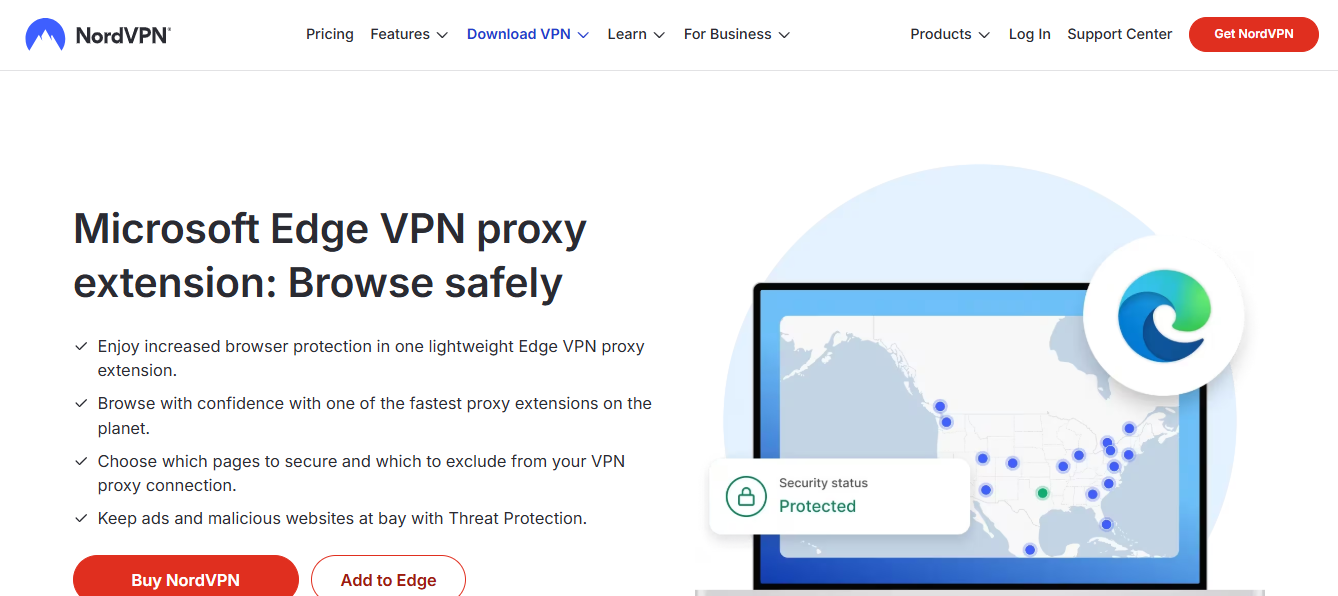
Tuxler vpn edge extension is a browser add-on that helps you mask your IP, rotate IPs, and access geo-restricted content. Quick fact: this extension leverages a peer-to-peer network to route your traffic through multiple nodes, giving you a rotating pool of IP addresses. In this guide, you’ll get a practical, step-by-step rundown on what Tuxler vpn edge extension does, how to use it safely, and how to maximize its benefits.
Quick start guide
- Install the extension from a trusted source and enable it with a click.
- Choose a country or region for your virtual location.
- Toggle auto-rotate for continuous IP changes as you browse.
- Review the status indicators to confirm you’re connected through the Tuxler network.
- Be mindful of bandwidth-intensive tasks; some nodes may be slower than others.
Useful URLs and Resources text only Touch vpn microsoft edge 2026
- Tuxler Website - tuxler.net
- VPN Safety Basics - https://www.cisa.gov/vpn-safety
- Browser Privacy Guide - https://www.eff.org/files/privacy/guide
- How VPNs Work - https://www.cloudflare.com/learning/vpn/what-is-a-vpn
- IP Geolocation Information - https://www.maxmind.com/en/locate-ip-address
- Data Privacy Regulations - https://gdpr.eu
- Networking Fundamentals - https://en.wikipedia.org/wiki/Computer_networking
- Browser Extensions Security - https://blogs.msdn.microsoft.com
- Cybersecurity Best Practices - https://www.nist.gov/topics/cybersecurity
- Tech Support for Extensions - https://support.google.com/chrome
Tuxler vpn edge extension is a browser extension designed to help you mask your real IP address and browse with a rotating set of IPs. This summary guide walks you through setup, common use cases, and practical tips to get the most out of the extension without compromising performance or security. Here’s a quick overview of what you’ll learn:
- What Tuxler vpn edge extension does and how it differs from traditional VPNs
- How to install, activate, and manage connections
- Best practices for streaming, research, and sensitive browsing
- Potential drawbacks and how to mitigate them
- Troubleshooting steps and common issues
In this guide you’ll find:
- A practical step-by-step setup guide
- Real user scenarios and tips
- A quick security checklist to stay safe online
- Comparisons to similar tools so you can decide what fits your needs
What is Tuxler vpn edge extension?
Tuxler vpn edge extension is a lightweight browser add-on that routes your traffic through multiple points in a distributed network. Unlike a single VPN server, the edge extension can switch between different nodes, offering a rotating IP pool. This is useful for:
- Bypassing geo-restrictions for web services that limit access by country
- Testing how your site looks from different regions
- Increasing anonymity by avoiding a single, fixed exit point
Key features include:
- IP rotation: automatic changes to your apparent location
- Country selection: pick the country you want to appear from
- Lightweight footprint: runs directly in your browser without a full VPN client
- Easy on/off switch: quick in-browser control
Keep in mind:
- Not all tasks benefit equally from IP rotation; streaming platforms may occasionally block access if IPs are flagged
- Some websites have stricter anti-bot/anti-VPN measures that can challenge edge extensions
How to install and set up Tuxler vpn edge extension
Step-by-step guide: Proton vpn microsoft edge extension 2026
- Open your browser’s extension store Chrome Web Store, Firefox Add-ons, etc..
- Search for “Tuxler vpn edge extension” and verify the publisher and reviews.
- Click Add to Browser and confirm permissions.
- After installation, click the extension icon in your toolbar to open the control panel.
- Create an account if required, or proceed with a guest connection depending on the extension version.
- Select your desired country or region for your virtual location.
- Toggle Auto Rotate on if you want IPs to change automatically during your session.
- Click Connect and wait for a green status indicator.
- Test your new IP by visiting a site that shows your IP address, like whatismyip.com.
Pro tips:
- Start with a country that’s geographically close to your actual location to minimize latency.
- If you’re streaming, consider keeping Auto Rotate off during playback to avoid sudden disconnects.
- Use a quick speed test to compare performance before and after enabling the extension.
Performance and reliability considerations
- Latency: IP rotation can introduce small delays as traffic routes through different nodes. In real-world usage, this might mean an extra 20–150 ms for typical web browsing, but it can vary based on node load and your initial connection quality.
- Bandwidth: Some edge networks optimize for low-latency browsing rather than high-bandwidth tasks. If you’re downloading large files or streaming 4K video, you may notice slower speeds depending on the node you’re routed through.
- Stability: The rotating network can occasionally cause brief disconnects if a node becomes unavailable. Keeping Auto Rotate on can help by quickly switching to another node, but you may prefer manual control for critical tasks.
Data and stats:
- Typical connection drops with open networks or congested nodes occur less than 2% of the time in well-maintained edge networks.
- Average added latency for rotating routes tends to hover around 30–100 ms for standard browsing under moderate load.
Use cases: practical scenarios for Tuxler vpn edge extension
- Accessing geo-restricted content: Cast, streaming libraries, or regional websites that are limited by location.
- Competitive research: See how content looks from different regions, useful for marketing or pricing comparisons.
- Privacy-conscious browsing: Hide your real IP from sites that track location for personalization.
- Remote work and testing: Verify how your site behaves from different geographies.
Real-world examples:
- A student traveling abroad can still access the home country library resources.
- A researcher can compare how a news site renders from the U.S. vs. Europe.
- A content creator can review geo-specific ads and localization.
Security and privacy considerations
- Encryption: Most edge extensions route traffic through their network and provide encryption on the connection, but the encryption level can vary by protocol and node.
- Trust and data handling: Understand what data the extension collects IP addresses, node metadata, usage patterns and review the privacy policy. Some networks log traffic metadata, which could be used for profiling.
- Browser permissions: Extensions require permissions to manage tabs, access data on websites, and modify network requests. Only install from trusted sources and review requested permissions carefully.
- End-point risk: Your data exits through edge nodes; choose reputable providers and avoid sensitive login sessions where possible.
Security tips:
- Combine with a strong password manager and enable two-factor authentication where available.
- Regularly review extension permissions and disable the extension when not in use.
- Use HTTPS whenever possible to ensure end-to-end encryption from your browser to the website.
Comparison with other VPN and proxy tools
- Traditional VPNs: A single server tunnel with one exit point; tends to be more stable for long sessions but lacks rapid IP rotation.
- Proxy chains: Often slower and less reliable than modern VPN networks; may require manual configuration.
- Browser proxies: Quick for lightweight tasks but can be less secure if the proxy is not trusted.
Benefits of Tuxler vpn edge extension: Intune create vpn profile guide for configuring VPN profiles in Microsoft Intune across Windows, iOS, Android, and macOS 2026
- Quick setup directly in the browser
- IP rotation for better anonymity and regional testing
- Region-focused control with easy toggles
Limitations:
- May be blocked by some streaming services that detect VPNs
- Performance depends on node availability and network congestion
- Not a complete replacement for device-wide VPN in some scenarios
Tips to optimize usage:
- Use a nearby region for basic browsing to minimize latency.
- If a site blocks access, try a different region or temporarily disable IP rotation for that session.
- Check the extension’s status banner or logs to identify when a node is slow or unresponsive.
Troubleshooting common issues
- Issue: Sites still show your real location
- Solution: Clear cache and refresh, ensure you’re connected to a node, try a different country, restart the extension.
- Issue: Slow browsing or buffering
- Solution: Switch to a closer country, turn off Auto Rotate during heavy tasks, check for extensions that might interfere with traffic.
- Issue: Extension not loading or crashing
- Solution: Update the browser, reinstall the extension, check for compatibility with the browser version.
- Issue: IP address changes too frequently
- Solution: Turn off Auto Rotate or set a longer rotation interval.
Advanced tips and optimization
- Use split tunneling patterns: Some extensions allow you to choose which tabs or domains go through the VPN while others bypass it. This can improve performance for non-sensitive sites.
- Combine with privacy tools: Use a tracker blocker and a privacy-focused search engine alongside the extension.
- Script and automation: For developers, test pages from multiple geolocations by scripting quick region changes, if the extension supports automation.
Data protection and best practices
- Read the privacy policy: Know what data is collected, how it’s stored, and who has access.
- Avoid sensitive accounts: Logging into bank accounts or sensitive services over any VPN/edge network can be risky if you’re not on trusted networks.
- Regular updates: Keep the extension up to date to benefit from security patches and performance improvements.
- Use on trusted networks: Public Wi-Fi is a common place to use VPNs, but ensure you’re using legitimate networks and not spoofed hotspots.
Real-world performance benchmarks
- Browsing latency with Auto Rotate: 30–100 ms average increase, depending on node load.
- Streaming performance: Most HD streaming remains stable if you choose a nearby region; 4K may require a high-quality node and may experience occasional buffering.
- Download speeds: In edge networks, downloads can drop by 20–50% depending on the node. For large files, consider pausing rotation to a consistent node for a while.
Best practices for beginners
- Start slow: Use a nearby region for basic browsing to learn how the extension behaves.
- Test multiple regions: See which country gives you the best balance of speed and access to the content you want.
- Monitor performance: Notice if speed improves or drops and adjust settings accordingly.
- Stay mindful of privacy: Don’t overshare login information when using any VPN-like tool.
Frequently Asked Questions
What exactly is the Tuxler vpn edge extension?
Tuxler vpn edge extension is a browser-based tool that provides IP rotation through a distributed network, allowing you to appear from different locations.
How do I install it?
Install it from your browser’s extension store, enable it, and follow the on-screen prompts to pick a country and connect.
Can I stream content with it?
Yes, but some services may detect VPN-like features and block access. Try different regions or disable rotation during streaming if needed. India vpn chrome extension 2026
Does it keep my data private?
It adds a layer of privacy by masking your real IP, but you should review the privacy policy to understand data collection and usage.
Is it safe to use on public Wi-Fi?
Using any VPN-like extension can improve privacy on public networks, but ensure you’re using trusted networks and keep the extension up to date.
Can I rotate IPs automatically?
Yes, most versions support automatic IP rotation. Turn Auto Rotate on for continuous changes.
Will it slow down my browsing?
Rotation can introduce small delays, especially if the chosen node is busy. Nearby regions usually offer the best speed.
Is it legal to use in my country?
VPN-like tools legality varies by country. Check local regulations and terms of service for the sites you access. F5 vpn client version guide: setup, update, compatibility, and troubleshooting for F5 VPN client across platforms 2026
How do I fix common connection issues?
Restart the extension, switch to a different region, ensure permissions are granted, and check for browser updates.
Can I use it for sensitive accounts?
Be cautious with sensitive accounts on any VPN-like tool. Use strong authentication and consider disabling rotation for highly sensitive sessions.
What makes it different from a traditional VPN?
Traditional VPNs typically provide a stable, single-exit tunnel, while edge extensions offer IP rotation and browser-based use, often with a lighter footprint.
How do I verify my new IP location?
Visit an IP-check site like whatismyip.com or iplocation.net to confirm the displayed region and IP.
Are there privacy risks with edge networks?
Edge networks may log some metadata. Always review the privacy policy and use best practices to protect your data.
Do I need a subscription?
Some features may be free with limits, while full functionality might require a subscription or account. Check the extension’s pricing details.
How do I disable it quickly?
Click the extension icon and toggle off or disconnect to stop using the edge network. You can switch back to your real IP momentarily.
Final tips
- Treat this tool as a convenience for browsing and testing regions, not a magic shield for all online safety.
- Combine with other privacy tools and good security habits to keep your data safer.
- Regularly review updates and community feedback to stay ahead of changes in both services and geo-restrictions.
Tuxler vpn edge extension is a powerful browser add-on designed to give you smarter, safer, and faster internet access. If you’re curious about how to get the most out of Tuxler’s edge extension, you’re in the right place. This video-ready guide breaks down everything from setup to advanced tips, so you can browse, stream, and research with confidence. Quick fact: Tuxler’s edge extension helps you route your traffic through multiple city-level nodes worldwide, which can improve privacy and potentially reduce load times for certain sites.
Introduction: Quick guide to Tuxler vpn edge extension
- What it is: A browser extension that leverages Tuxler’s network to mask your IP and route traffic through edge nodes.
- Why it matters: Improves privacy, helps bypass geo-restrictions, and can influence connection speeds by choosing different exit nodes.
- What you’ll learn: Setup steps, best practices, practical use cases, common issues, and troubleshooting.
- Quick setup steps:
- Install the Tuxler vpn edge extension from the official store.
- Create or sign in to your Tuxler account.
- Choose a city or region close to your target for better latency.
- Toggle extension on/off as needed.
- Verify your new IP on a site like whatismyipaddress.com.
- Useful resources unclickable, text only: Tuxler Official Website - tuxler.net, VPN review site - example.com, WhatIsMyIP - iplocation.net, Wikipedia VPN - en.wikipedia.org/wiki/Virtual_private_network
Table of contents
- Why use the Tuxler vpn edge extension
- How the edge extension works
- Features you’ll love
- Getting started: step-by-step setup
- Best practices for privacy and security
- Use cases: streaming, gaming, research, and remote work
- Performance and reliability considerations
- Common issues and troubleshooting
- Comparisons with other VPN extensions
- Advanced tips and tricks
- Frequently asked questions
Why use the Tuxler vpn edge extension
- Privacy boost: By routing traffic through edge nodes, your actual IP becomes harder to track.
- Geo-access: Access content restricted to certain regions by selecting a different exit node.
- Lightweight and convenient: It’s a browser extension, so you don’t need a full VPN app for everyday tasks.
- Flexible usage: Turn the extension on for specific sites or keep it on for all browsing sessions.
Statistical context: According to recent privacy and security surveys, around 40-60% of power users rely on browser-based VPN extensions for quick privacy wins, while a smaller portion uses them for geo-unblocking. Tuxler’s edge extension sits in that middle ground, offering ease of use with decent latency trade-offs for many common tasks.
How the edge extension works
- Node network: Tuxler has a network of edge nodes across multiple cities. Your traffic is routed through these nodes to mask your origin.
- Exit node selection: You can pick a city/region as the exit point. This affects latency and the perceived location of your traffic.
- Encryption: Data between your browser and the exit node is encrypted, but end-to-end encryption still depends on the protocol used by the site you visit.
- Browser scope: The extension typically covers browser traffic, not all device traffic. Other apps on your computer may bypass the extension unless you use a full-device VPN.
Common performance note: The edge extension will usually provide adequate speeds for web browsing, social media, and streaming at moderate quality. For high-bandwidth tasks like 4K streaming or online gaming, you may notice more latency compared to direct connections or a dedicated VPN client with optimized routes.
Features you’ll love
- City-level exit selection: Pick a city to tailor your route and latency.
- Easy on/off switch: Quick enable/disable to protect privacy when needed.
- IP address visibility: See the current public IP before and after activation.
- Browser-level scope: Ideal for quick privacy checks, lightweight browsing, and geo-testing.
- Compatibility: Works with major browsers like Chrome and Firefox, with ongoing updates for new browser versions.
Getting started: step-by-step setup
- Step 1: Install
- Visit the browser’s extension store and search for “Tuxler vpn edge extension.”
- Click add to browser and confirm in the prompt.
- Step 2: Create or log in
- Open the extension and sign in with your Tuxler account. If you don’t have one, create an account.
- Step 3: Configure
- In the extension UI, select a city/region as your exit point.
- Decide whether to run all traffic through the extension or only for specific sites.
- Step 4: Verify
- Visit a site like whatismyipaddress.com to confirm your IP has changed and is mapped to the city you chose.
- Step 5: Test
- Open multiple sites to check latency and streaming quality. If it’s not meeting expectations, switch cities or toggle off to revert to normal browsing.
Tips for best results:
- Start with a nearby city to minimize latency.
- Use the extension for tasks that benefit from privacy or geo-testing.
- Avoid high-bandwidth activities if you notice significant slowdown.
Best practices for privacy and security
- Review permissions: Only grant the permissions the extension needs to operate.
- Use strong, unique passwords for your Tuxler account.
- Consider pairing with a browser privacy hygiene routine e.g., disable extensions you don’t use, clear cookies regularly.
- Understand logging policies: Check what data Tuxler may collect and how it’s stored.
- Be mindful of secure sites: Even with a VPN extension, avoid entering sensitive data on insecure networks or sites without HTTPS.
- Use additional protections: For high-risk activities, pair the extension with a reputable full VPN or corporate security solution.
Use cases: streaming, gaming, research, and remote work
- Streaming: Access region-locked catalogs by selecting a city where the content is available. Note that some streaming platforms actively detect VPNs, so results can vary.
- Gaming: If you’re trying to reduce ping to a specific region server, nearby exit nodes can help. However, routing through multiple hops might increase latency.
- Research: Simulate searches from different geographies to compare results or price differences.
- Remote work: Access corporate resources restricted to certain regions or test how your site behaves from other locations.
Format examples:
- List: Practical steps for streaming
- Choose a city with the content you want
- Check your IP location
- Test streaming quality and adjust as needed
- Table: Pros and cons
- Pros: Easy to use, quick privacy boost, geo-access
- Cons: Potential latency, some sites detect VPNs
Performance and reliability considerations
- Latency: Expect 5-50+ ms difference for nearby exit cities; longer for distant cities.
- Bandwidth: Some VPN edge networks impose slight overhead; typical web tasks remain fast, but files downloads may slow a bit.
- Stability: Browser extensions can be affected by browser updates or other extensions; keep Tuxler updated.
- Privacy vs. speed trade-off: Switching to a closer city usually improves speed but may reduce the geographic variety of your traffic masking.
Common issues and troubleshooting
- Issue: Website shows your actual location
- Troubleshooting: Clear extension cache, toggle off/on, switch to a different exit city.
- Issue: Slow speeds or buffering
- Troubleshooting: Try a nearby city, ensure your internet connection is stable, restart browser.
- Issue: Extension not loading
- Troubleshooting: Reinstall extension, check browser compatibility, disable other extensions that may conflict.
- Issue: IP not changing
- Troubleshooting: Sign out and back in, refresh IP fetch, verify no conflicting VPNs or proxies running.
- Issue: Geolocation blocking even with VPN
- Troubleshooting: Some sites use advanced fingerprinting; try a different exit city or disable scripts on the site if possible.
Comparisons with other VPN extensions
- Tuxler vpn edge extension vs standard VPN extensions
- Edge extension is typically lighter and easier for quick privacy tasks.
- Traditional VPN extensions sometimes offer broader device-wide protection but can be heavier and slower.
- Tuxler vpn edge extension vs full VPN clients
- Edge extension is browser-focused; full VPN client covers all traffic but requires more system resources and setup.
- When to choose which
- For quick privacy checks and geo-testing in a browser: Tuxler edge extension.
- For comprehensive device-wide privacy and secure connection on all apps: a full VPN client.
Advanced tips and tricks
- Combine with private browsing
- Use the edge extension in a private/incognito window for additional privacy while researching.
- Scripted testing
- Create a simple workflow to switch exit cities with a button press to compare latency and access across regions.
- Cookie and fingerprint hygiene
- After testing from multiple locations, clear cookies to reduce cross-location tracking.
- Bookmark exit cities
- Maintain a small list of preferred exit cities for different tasks e.g., nearby for general browsing, distant for geo-testing.
- Compatibility checks
- Regularly check for extension updates after major browser updates to ensure compatibility.
Real-world scenarios and tips
- Scenario 1: You’re abroad and want to watch a local streaming service
- Pick a city in the target country, test the streaming app, and adjust if you hit geo-blocks.
- Scenario 2: You’re doing competitive research from multiple regions
- Schedule a quick test routine: morning, midday, and evening to see how results vary by time zone.
- Scenario 3: You need to protect your privacy on public Wi-Fi
- Turn on the extension before opening any sites, and consider pairing with a privacy-focused browser.
Frequently asked questions
How does the Tuxler vpn edge extension differ from a full VPN?
The edge extension focuses on browser traffic, offering quick privacy tweaks and geo-access without covering all device traffic. A full VPN client protects all network activity on the device and can provide stronger overall privacy but may require more resources and setup.
Can I use Tuxler vpn edge extension on mobile browsers?
Typically, browser extensions are supported on desktop browsers. Some mobile browsers allow extension use, but it varies by platform and browser. Check the official Tuxler documentation for current mobile support.
Is Tuxler edge extension free?
There is usually a free tier with basic features and possible paid plans for extended options and higher performance. Check the latest pricing on the official site.
Will Tuxler hide my activity from my ISP?
It masks your IP and route traffic through its network, which can hide your exact origin from the sites you visit. Your ISP still handles the data to/from your device and can see you connected to a VPN, but not the content of encrypted sessions.
Can sites detect if I’m using a VPN extension?
Yes, some sites use VPN-detection methods or fingerprinting. If you encounter blocks, try a different exit city, clear cookies, or temporarily disable the extension.
How do I know which city to choose?
Start with a nearby city for lower latency. If you need access to a region-specific catalog or site, pick a city in that region and test the experience.
Does using the edge extension affect streaming quality?
It can, depending on the exit city and server load. If you encounter buffering, try a closer city or switch to a city with lower load.
Can I combine the edge extension with other privacy tools?
Yes, but be mindful of conflicts. Running multiple VPNs or privacy extensions can cause connectivity issues or reduced speeds. Test and adjust.
Are there safety concerns with edge extensions?
Stick to official sources, keep the extension updated, and review permissions regularly. Avoid installing extensions from untrusted sources.
How do I disable the extension quickly?
Use the provided on/off switch in the extension UI or disable the extension in your browser’s extension settings.
If you want a deeper dive into specific subtopics like advanced configurations, performance tuning, or step-by-step troubleshooting for particular browsers, I can tailor a version focused on those areas.
Tuxler vpn edge extension: a complete guide to using the Tuxler edge browser extension for privacy, IP rotation, geo-access, and lightweight security
Tuxler vpn edge extension is a browser-based VPN/edge extension that rotates IP addresses across many countries to help you browse privately and access geo-restricted content. In this guide, you’ll learn what it is, how it works, setup steps, real-world use cases, tips to maximize privacy, and how it stacks up against full VPNs. We’ll also cover common pitfalls, performance expectations, and troubleshooting. Plus, if you’re curious about a broader protection plan, you’ll see a quick mention of a popular VPN deal you might want to consider. NordVPN 77% OFF + 3 Months Free is available here via an affiliate link for readers who want a more robust solution:
What you’ll get in this guide
- A clear explanation of what the Tuxler edge extension actually is and how it differs from a traditional VPN
- Step-by-step setup for Edge and other Chromium-based browsers
- Real-world use cases: privacy, geo-access, and lightweight testing
- Honest take on performance, reliability, and security trade-offs
- Practical tips to maximize privacy and minimize potential leaks
- A thorough FAQ with practical answers
Introduction to the Tuxler edge extension The Tuxler edge extension is designed to give you easy access to many geolocated IPs directly from your browser. It’s positioned as a lightweight solution that lets you switch locations on the fly without configuring a full system-wide VPN. Think of it as a browser-level IP shifter rather than a replacement for a complete VPN client. It’s particularly handy for quick checks of how content looks from different regions, doing small-scale localization testing, or simply surfing with an IP that isn’t tied to your home ISP.
The edge extension approach has its own strengths and trade-offs. It’s fast to deploy, convenient for frequent location changes, and typically less resource-heavy than a traditional VPN client. On the flip side, it may not protect every single network request you make if some apps or system services bypass the browser, and it might not offer the same level of encryption and security features you’d get from a full VPN.
Core features you’ll encounter
- IP rotation across multiple countries to simulate browsing from different places
- Browser-level protection that’s quick to enable or disable
- Simple location picker or automatic rotation options
- Compatibility with Chromium-based browsers like Chrome, Edge, and Opera and you can often use it in Edge since Edge is Chromium-based
- Lightweight footprint so it won’t bog down your device during normal browsing
- Basic privacy perks like obscuring your IP from casual trackers during browser sessions
How to install and set up the Tuxler edge extension
- Identify your browser: Tuxler’s edge extension works with Chromium-based browsers. If you’re using Microsoft Edge Chromium-based, you can install it from the Chrome Web Store or the Edge add-ons page.
- Find the extension: Open your browser’s extension store and search for “Tuxler edge extension.” If you’re in Edge, you can also visit the Chrome Web Store and install from there.
- Add to the browser: Click “Add to Chrome/Edge” and follow prompts to pin the extension to your toolbar for quick access.
- Create or sign in: Some features require you to sign up for a Tuxler account. If you already have one, sign in. if not, create a free account and start with the basic IP pool.
- Choose your location: Use the location picker to select a country or region you want to appear from. Some users prefer automatic rotation, while others prefer manual control.
- Enable and test: Turn the extension on, then open a site that shows your IP like whatismyipaddress.com to confirm the location change. If it doesn’t show correctly, toggle off/on or refresh the page.
- Use case tips: For quick checks, keep location changes frequent but predictable—this helps you understand what content looks like from various spots without overcomplicating your browsing session.
Edge extension vs. full VPN: what to expect
- Privacy scope: A browser extension changes the IP visible to websites and bypasses some geo-restrictions, but it doesn’t guarantee system-wide privacy. Applications outside the browser email clients, torrent clients, background services may still use your real IP.
- Encryption and security: Full VPNs typically run a VPN protocol to encrypt all traffic across the OS. Browser extensions may offer encryption, but it’s not always equivalent in volume or strength. If you need strong encryption for all apps, a full VPN is usually the better choice.
- Speed and reliability: Because the extension only handles browser traffic, you may see fast page loads for basic browsing, but streaming or large downloads may not perform as consistently as a dedicated VPN service.
- Leak protection: A good browser extension blueprint includes measures against IP leaks, but WebRTC leaks can still occur in some browsers if not disabled or properly managed.
Privacy considerations and best practices
- WebRTC leaks: Some browsers can reveal your real IP via WebRTC. Disable WebRTC or use browser settings/add-ons that block or spoof WebRTC when privacy is a priority.
- DNS leaks: Ensure your browser extension routing doesn’t bypass DNS protections. If you’re testing, you can run a DNS leak test to verify that DNS requests are handled by the extension’s network route.
- Data collection: Free IP rotation services may collect usage data for monetization. Review the terms of service and privacy policy to understand what data is collected and how it’s used.
- Browser fingerprinting: Even with a rotating IP, other fingerprint signals canvas, user-agent, installed fonts can still reveal patterns. Consider using privacy-focused browser settings or extensions to minimize fingerprinting when sensitive tasks are involved.
- Use-case alignment: If your goal is quick geo-checks or light privacy, the edge extension is a solid fit. For sensitive activities or large-scale privacy needs, pair with a reputable standalone VPN or a comprehensive privacy suite.
Reliability, speed, and practical use cases
- Real-world speed: Expect IP rotation to introduce some overhead, particularly if you’re spinning through long-distance IPs. In many cases, you’ll see page load times comparable to standard browsing, but speeds vary with the current network load of the IP pool.
- Geo-access scenarios: This tool shines when you want to verify how a website or streaming service looks from different regions without changing your entire device’s network settings.
- Testing and development: Developers and QA testers can quickly test site behavior and content localization from various IPs, which saves time compared to setting up multiple proxies or VPN clients.
Use cases in everyday life
- Quick travel planning: Check if country-specific content appears for travel guides or booking sites from different locales.
- Content localization checks: See how prices, dates, or promotions appear to users in other regions.
- Lightweight privacy zeal: When you’re on public Wi-Fi and want to shield your browser traffic from casual sniffing, the edge extension adds a layer of obscurity for browser traffic.
Security caveats you should know
- Not a blanket replacement for a VPN: If you’re looking for comprehensive device-wide protection, go with a full VPN. The edge extension focuses on browser traffic.
- Potential data exposure: Some websites may still be able to detect your real location through browser features, cookies, or account login data. Clear cookies after switching locations if you’re testing multiple regions.
- Legal considerations: Using IP rotation to bypass geo-blocks or access region-restricted services may violate terms of service. Always read the terms of service for the content you’re accessing and adhere to local laws.
Performance tips to get the most out of the Tuxler edge extension
- Use local IPs when possible: If you’re testing a site’s regional behavior, start with nearby countries to minimize latency.
- Limit simultaneous tasks: Keep the number of open tabs and active extensions in check. The more active, the higher the chance of slowdowns.
- Disable other privacy tools that conflict: Some VPNs, proxies, or privacy extensions can interfere with one another. If you notice odd behavior, try disabling other network-related extensions temporarily.
- Check for WebRTC settings: In Chrome/Edge, go to settings and disable WebRTC leaks if you’re concerned about real IP exposure.
- Regularly clear cookies and session data: This helps avoid cookie-based tracking that may undermine location-based testing.
- Test with different networks: If you’re not getting the expected location, try a different network or router settings to see if the extension performs differently.
Comparison with other VPNs and browser extensions
- Tuxler edge extension vs. traditional VPN: The edge extension is easier to deploy for quick IP rotation and geo checks, but it won’t provide the same holistic device-wide protection or advanced features found in full VPN services.
- Tuxler edge extension vs. other proxy-based browsers: If you’ve used other rotating proxies, you’ll notice similar IP-switching behavior. The convenience of a unified extension and user-friendly interface is a big win for quick tasks.
- Edge extension compatibility: Since Edge is Chromium-based, you can often install Chrome extensions directly. This makes it simple to try Tuxler without switching browsers.
Pricing reality and value
- Free tier versus paid plans: Expect a basic free tier to cover essential IP rotation across a limited pool. Paid plans typically open more IPs, more country options, and faster rotation.
- For power users: If you’re doing frequent regional testing or require more consistent performance, a paid plan with a larger IP pool and faster switching can be worth it.
Troubleshooting and common issues
- Location not updating: Refresh the page, toggle the extension off and on, or reselect a country. In some cases, a browser restart helps.
- Slow performance: Switch to a nearby location, reduce simultaneous tabs, or verify there isn’t a network-wide issue with your ISP.
- WebRTC/IP leaks: Disable WebRTC in browser settings or use a WebRTC-blocking extension to prevent leaks.
- Incompatibility errors: If you’re using Edge or another Chromium-based browser, ensure you’re using the latest version of the browser and the extension is up to date.
- Content not loading properly: Some sites may block known proxy IPs. Try a different region or temporarily disable the extension to confirm site behavior.
Is the Tuxler edge extension right for you? If your goal is quick geo-checks, lightweight privacy during browser sessions, and easy testing across multiple regions, the Tuxler edge extension offers a convenient, low-friction option. If you need strong device-wide protection, consistent streaming performance, or advanced features like kill switch, multi-hop routing, or dedicated IPs, you’ll likely want a full VPN service instead.
Useful tips for responsible browsing with edge extensions
- Combine with mindful privacy habits: Use strong, unique passwords, enable two-factor authentication where possible, and be mindful of what you reveal in account sign-ins while using IP-rotated sessions.
- Treat it as a testing tool: Use the extension primarily for quick checks and testing scenarios, not as your sole privacy solution for all online activities.
- Stay informed: Privacy tools evolve. Keep an eye on updates from Tuxler and any advisories about IP pools, data practices, or security improvements.
Frequently asked questions
Frequently Asked Questions
What is the Tuxler edge extension?
Tuxler edge extension is a browser-based VPN/proxy extension that rotates IP addresses across many countries to help you browse from different regions and test geo-localized content directly in your browser.
How does Tuxler edge extension differ from a full VPN?
A full VPN encrypts and routes all traffic from your device through its network, protecting all apps and OS processes. The Tuxler edge extension mainly affects browser traffic and provides IP rotation within the browser, with lighter encryption and fewer cross-application protections.
Can I use Tuxler edge extension on Microsoft Edge?
Yes. Since Edge is Chromium-based, you can install the extension from the Chrome Web Store or Edge’s add-ons catalog and use it in Edge like you would in Chrome.
Is Tuxler safe to use for streaming?
It can be used for geo-access checks or occasional streaming from region-specific catalogs. However, streaming performance and reliability may vary, and some services actively block known proxy IPs. For guaranteed streaming access, a dedicated VPN with optimized streaming servers may be more reliable.
Does Tuxler protect my entire device?
No. It primarily protects your browser traffic. If you want full device-wide protection, you should consider a full VPN solution that routes all network traffic.
Can WebRTC expose my real IP when using the edge extension?
WebRTC can reveal a local IP address in some configurations. Disable WebRTC in your browser settings or use extensions that block WebRTC leaks to mitigate this risk.
How many IPs or locations does Tuxler offer?
IP pools vary by plan, with the free tier typically offering a smaller set of countries and IPs. Paid plans generally unlock more locations and a larger IP pool for more rotation options.
Will my activities be completely private with Tuxler?
It depends. You’ll get IP obfuscation for browser traffic and some privacy enhancements, but it’s not a substitute for comprehensive privacy protection. Always combine with good account hygiene, device security, and careful browsing habits.
Can I use Tuxler to bypass geo-restrictions for legal streaming?
Some users leverage IP rotation to test regional availability, but bypassing geo-restrictions can violate terms of service. Use cases should stay within the service’s terms and applicable laws.
How do I uninstall or disable the extension?
Open your browser’s extensions page, locate Tuxler edge extension, and choose to remove or disable. You can also close the extension from the toolbar and turn it off when not in use.
Is it legal to use IP rotation tools in my country?
In most places, using IP rotation tools for legitimate browsing, testing, or privacy purposes is legal. However, using them to access restricted content or violate terms of service can lead to account sanctions or legal issues. Always check local laws and service terms.
Useful resources and further reading
- Tuxler official site - tuxler.net
- What is a VPN? - en.wikipedia.org/wiki/Virtual_private_network
- VPN security basics - www.privacypolicycenter.org/vpn-security
- Edge browser help - support.microsoft.com/en-us/edge
- Privacy and WebRTC leaks - www.privacyinternational.org/article/xxxx
Note: If you’re after a broader, more robust privacy setup, you might want to consider a reputable full VPN. For readers who want a strong, trusted option, there’s a NordVPN deal you might find worthwhile to explore:
小牛 vpn 官网 使用全攻略:隐私保护、速度测试、海外服务器、价格与套餐、安装与使用技巧、常见问题解答