Download vpn extension for edge 2026
'%2F%3E%3Ctext%20x%3D'50%25'%20y%3D'50%25'%20dy%3D'.35em'%20text-anchor%3D'middle'%20font-family%3D'-apple-system%2CBlinkMacSystemFont%2CSegoe%20UI%2Csystem-ui%2Csans-serif'%20font-size%3D'100'%20font-weight%3D'600'%20fill%3D'%23fff'%3ELY%3C%2Ftext%3E%3C%2Fsvg%3E) Layla Younis·April 11, 2026·21 min
Layla Younis·April 11, 2026·21 min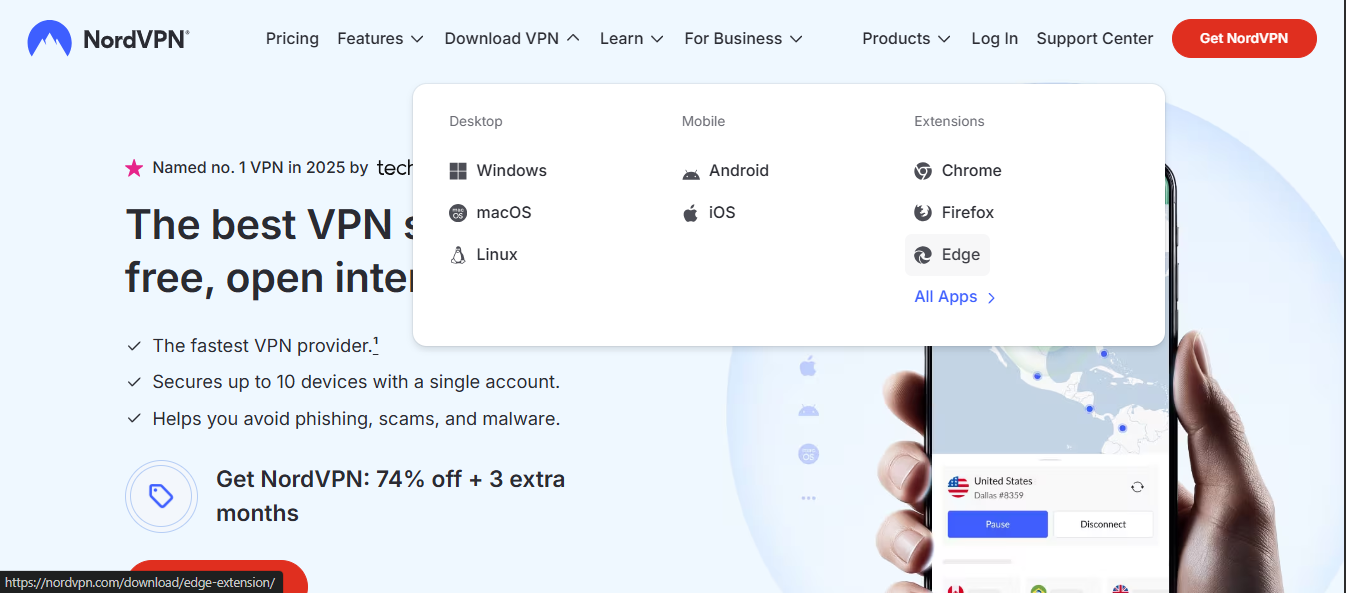
Download vpn extension for edge: quick start, best practices, and a handy comparison to help you stay private online.
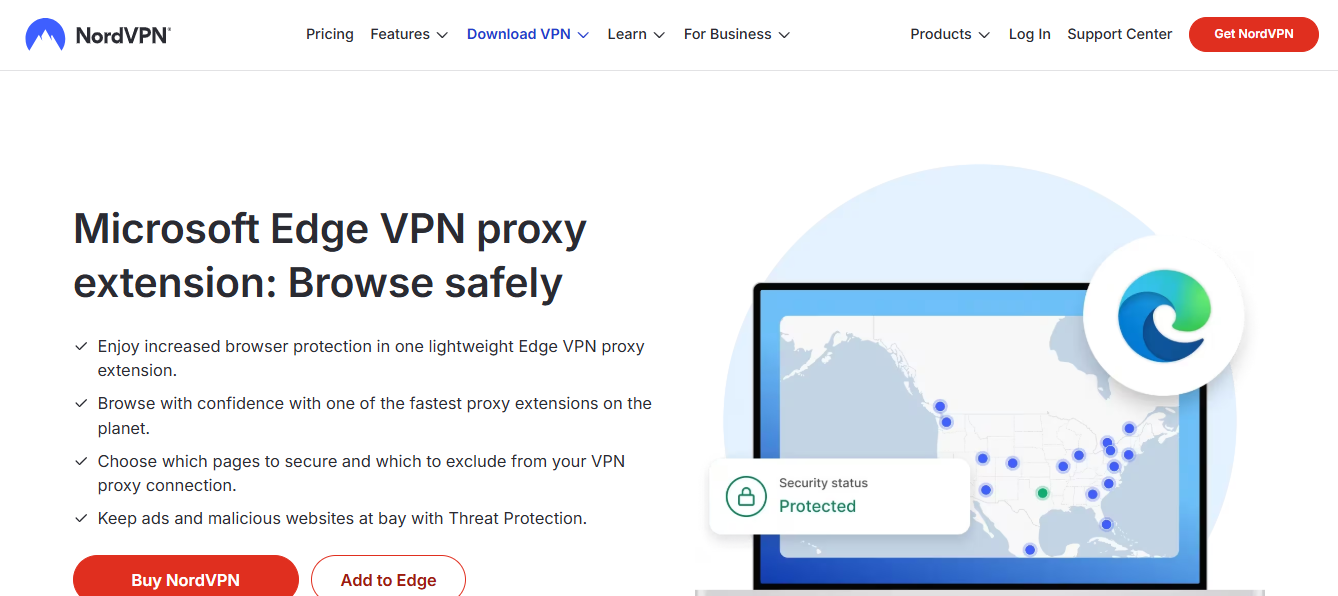
Download vpn extension for edge. Quick fact: using a VPN extension on Edge can encrypt your browser traffic and help you bypass geographic restrictions without installing a full VPN app. Here’s a short, practical guide to get you up and running fast:
- Step-by-step setup: choose a VPN extension, install, sign in, and enable a server.
- Why it matters: protect your data on public Wi‑Fi, hide your IP, and access geo‑blocked content.
- Quick tips: verify your VPN is actually encrypting traffic, choose the right server for your needs, and watch for leaks.
- What you’ll learn: how to find trusted extensions, how to configure them, common issues and fixes, and a final checklist before you browse.
Useful URLs and Resources text only Apple Website - apple.com Artificial Intelligence Wikipedia - en.wikipedia.org/wiki/Artificial_intelligence Microsoft Edge Extensions Store - microsoft.com VPN Industry Standards - encs.org Privacy Tools Overview - privacytools.io Browser Security Guide - nist.gov Open Source VPN Projects - openswan.org DNS Privacy Guide - dnsprivacy.org Browser Fingerprinting Guide - browserscope.org Cybersecurity Best Practices - csoonline.com
Why you might want a VPN extension for Edge
- Privacy shield: a VPN extension routes your browser traffic through a remote server, masking your real IP address.
- Access content: bypass geo‑restrictions on streaming services and websites.
- Public Wi‑Fi safety: encrypts data like passwords and messages when you’re on shared networks.
- Lightweight option: faster than running a full VPN client for casual browsing.
How a VPN extension differs from a full VPN app
- Scope: extensions typically cover only browser traffic, not your entire device.
- Performance: extensions can be quicker to enable and switch servers but may vary in speed.
- Features: some extensions offer kill switch, split tunneling, or DNS protection; others may be basic.
How to choose a trusted VPN extension for Edge
- Check the developer: prefer well-known VPN providers with a solid privacy policy.
- Look for a no-logs promise: ensure they don’t store your browsing history.
- Encryption standards: choose AES-256 or equivalent with robust TLS.
- Jurisdiction: companies headquartered in privacy-friendly regions tend to be better for user rights.
- Independent audits: third‑party security reviews add credibility.
- User reviews: skim recent feedback for reliability and customer support.
Quick list of features to look for
- Automatic kill switch: blocks traffic if the VPN drops to prevent leaks.
- DNS leak protection: keeps DNS requests private.
- Server availability: many servers across multiple countries for flexibility.
- split tunneling: send some traffic outside the VPN if you need local access.
- Edge‑specific support: extensions that work reliably inside Edge’s browser environment.
Step-by-step: Install and enable a VPN extension for Edge
- Open Edge and go to the Extensions Store Edge Add-ons.
- Search for reputable VPN extensions. Popular options include well‑known brands with strong privacy policies.
- Click Add to Edge and confirm permissions.
- Pin the extension to your toolbar for easy access.
- Sign in with your VPN account or create one if needed.
- Choose a server location and toggle the extension on.
- Verify your connection: visit a site like whatismyipaddress.com to confirm your IP changed and your DNS looks correct.
- Test streaming or blocked sites to confirm access and be mindful of terms of service.
Quick verification steps to avoid surprises
- Check IPv6 handling: if your site or service blocks IPv6, ensure your VPN supports IPv4 routing or disables IPv6 leak.
- Leaks test: run a browser leak test to check for WebRTC leaks, which can reveal your real IP.
- Kill switch test: temporarily disable the VPN and see if browser traffic stops or continues.
Common issues and fixes
- Issue: Extension not appearing in Edge after install
- Fix: restart Edge, re‑install the extension, ensure you’re on a supported Edge version.
- Issue: Slow browsing or buffering
- Fix: switch to a closer server, check for VPN throttling, or try a different protocol if available.
- Issue: DNS leaks detected
- Fix: enable DNS leak protection in the extension, or switch to a service that offers stronger DNS privacy.
- Issue: WebRTC IP leaks
- Fix: disable WebRTC in Edge or use a browser setting that blocks or masks IPs.
- Issue: App or extension asks for excessive permissions
- Fix: review required permissions and only proceed if they’re reasonable for the extension’s function.
Security best practices when using a VPN extension
- Use a reputable provider: cheaper isn’t always safer when it comes to privacy.
- Enable the kill switch and DNS protection if available.
- Avoid free extensions for sensitive tasks; free often means limited privacy or intrusive ads.
- Keep Edge and the extension updated to patch security vulnerabilities.
- Review privacy policy and data handling practices regularly.
- Consider using a separate secure browser profile for sensitive activities.
Performance considerations with VPN extensions
- Latency: VPN servers add a small delay; choosing a nearby server minimizes impact.
- Bandwidth: some providers cap or throttle bandwidth on free tiers.
- Protocols: OpenVPN, WireGuard, and IKEv2 are common; WireGuard often offers faster speeds with strong security.
- Server load: during peak times, servers can become congested; switch servers if you notice slowdowns.
- Device resources: extensions use memory; on lower-end devices, monitor performance.
Tips to maximize privacy with Edge VPN extensions
- Use the VPN consistently for sensitive tasks, not just occasional browsing.
- Combine with HTTPS‑only browsing where possible.
- Disable WebRTC leaks in browser settings or use extensions that block them.
- Regularly review connected devices and account activity in your VPN dashboard.
- Use two‑factor authentication on your VPN account for extra protection.
Privacy laws and online safety you should know
- Data retention laws vary by country; some providers retain minimal logs, others claim zero logs.
- Be aware of the legal status of VPN use in your country; some regions restrict or regulate VPNs.
- Always read the provider’s privacy policy to understand what data is collected and how it’s used.
- When accessing streaming services, respect terms of service; some services actively block VPN traffic.
How to test if your Edge VPN extension is working correctly
- IP check: visit a site like iplocation.net to confirm the reported location doesn’t match your real location.
- DNS check: use a DNS leak test to ensure your DNS requests go through the VPN service.
- WebRTC check: search for WebRTC leak test results to confirm your real IP isn’t exposed by WebRTC.
- Speed test: run a quick speed test to compare baseline vs. VPN performance.
- Access control: try loading blocked or region‑restricted content to confirm access.
Edge extension vs. mobile VPN apps
- Convenience: extensions are quick to enable on desktop browsers; mobile apps offer system‑wide protection.
- Scope: extensions cover browser traffic; mobile apps can cover all app traffic on the device.
- Sync: some providers allow syncing settings across devices, which helps when you switch between desktop and mobile.
When to use a browser extension vs. a full VPN app
- Use an extension when you mainly need privacy and access from your browser, and you don’t mind browser‑specific protection.
- Use a full VPN app when you want device‑wide protection, apps outside the browser, or more advanced features.
Case studies and real‑world scenarios
- Student on campus: accessing blocked study resources while keeping browsing private.
- Remote worker on public Wi‑Fi: securing sensitive data and keeping work communications private.
- Travel enthusiast: bypassing geo‑restrictions to access helpful local content.
- Casual streamer: checking if a region‑restricted service is available in your country.
Best practices: setup checklist
- Choose a reputable provider with strong privacy protections.
- Install the Edge extension from a trusted source.
- Sign in and configure security features kill switch, DNS protection, leak protection.
- Select an appropriate server location for your needs.
- Run verification tests IP, DNS, WebRTC leaks.
- Keep software up to date and monitor any privacy policy changes.
Comparison table: popular VPN extensions for Edge
- Provider A: Strong privacy policy, AES‑256, DNS protection, kill switch, multiple server locations, good speed, reputable audits.
- Provider B: Solid performance, split tunneling, DNS leak protection, user‑friendly interface, reasonable price.
- Provider C: Budget option, basic features, decent privacy stance, a few server locations.
- Provider D: Premium option, many servers, advanced features, top‑tier audits, excellent customer support.
Note: Always verify current features and pricing on the provider’s site, as details can change over time.
Edge extension installation quick reference
- Step 1: Open Edge Extensions Store and search for a trusted VPN extension.
- Step 2: Add to Edge and approve permissions.
- Step 3: Sign in and enable the VPN.
- Step 4: Pick a server location and test your connection.
- Step 5: Run a privacy and leak check to confirm protection.
Common myths about VPN extensions
- Myth: A VPN extension alone makes you completely anonymous online.
- Truth: It hides your IP from the sites you visit in the browser and encrypts traffic, but it won’t protect everything on your device or online identity on other services.
- Myth: All VPNs are the same.
- Truth: Privacy policies, encryption standards, and jurisdictions differ a lot; some log data, and some have better leak protections than others.
- Myth: VPN extensions are always faster than full VPN apps.
- Truth: It depends on server load, protocol, and network conditions; sometimes a full app can offer more robust protection with similar speed.
Quick-start recap
- Pick a trusted Edge VPN extension with a solid privacy policy.
- Enable essential protections kill switch, DNS protection, leak blocking.
- Choose a nearby server for speed and test IP, DNS, and WebRTC leaks.
- Maintain privacy hygiene by keeping software updated and reviewing policies.
Frequently Asked Questions
How do I download a VPN extension for Edge?
Download vpn extension for edge: go to the Edge Add-ons store, search for a trusted VPN extension, click Add to Edge, and follow the prompts to install and enable it.
Is it safe to use free VPN extensions on Edge?
Free VPN extensions can pose privacy risks, limited features, and ads. It’s generally safer to use a reputable paid service with a clear privacy policy and independent audits.
Will a VPN extension affect my browsing speed?
Most likely yes, you’ll see some slowdown due to encryption and routing, but choosing a nearby server and a fast protocol like WireGuard or OpenVPN can minimize the impact.
Can I use a VPN extension with other browsers as well?
Yes, many providers offer extensions for multiple browsers, but you’ll need to install the extension separately in each browser. Does touch vpn work 2026
Do VPN extensions work on Edge mobile?
Edge mobile supports extensions in some scenarios, but availability varies by platform and version. Desktop Edge extensions are more common and reliable for this purpose.
How can I confirm my IP address changed after enabling the VPN extension?
Visit whatismyipaddress.com or iplocation.net to confirm your IP and location reflect the VPN server you chose.
Can a VPN extension protect me from cybersecurity threats beyond IP masking?
VPNs primarily protect data in transit and hide your IP; they don’t replace antivirus software, phishing protection, or malware scanners.
What is a kill switch, and why do I need it?
A kill switch stops all browser traffic if the VPN connection drops, preventing data leakage. It’s a crucial safety feature.
Are VPN extensions legal?
In most places, using a VPN is legal, but there are exceptions and restrictions. Always check local laws and service terms. Edge download android guide: how to install Microsoft Edge on Android, update, and optimize privacy with a VPN 2026
How often should I update my VPN extension?
Update it whenever a new version is released to ensure you have the latest security patches and features.
Can I use VPN and ad‑block extension together in Edge?
Yes, you can run both, but some extensions may conflict or affect performance. Test to find the right combination for you.
What should I do if the VPN extension blocks streaming content?
Try a different server location, check for app or service regions, or contact your VPN provider’s support for guidance.
Download vpn extension for edge: a comprehensive step-by-step guide to install, configure, and optimize Microsoft Edge VPN extensions for privacy, security, and faster streaming
Yes, you can download vpn extension for edge. This guide is your practical, friendly walkthrough to get a VPN extension up and running in Microsoft Edge, plus tips to pick the right extension, configure it for maximum privacy, and troubleshoot common issues. We’ll cover why Edge users benefit from a VPN extension, how it differs from a full desktop VPN app, best practices for settings, and real-world use cases like streaming, secure browsing on public Wi-Fi, and bypassing regional blocks. If you’re curious about a premium option, NordVPN is currently offering a strong deal you’ll want to consider — take a look at this special offer: . And for quick reference, here are some useful resources you can peruse later text only:
- Edge browser official support pages - microsoft.com
- Microsoft Edge Add-ons store - microsoftedge.microsoft.com/addons
- VPN basics and privacy guides - en.wikipedia.org/wiki/Virtual_private_network
- General browser security tips - privacyguides.org
- WireGuard and OpenVPN basics - miscreantlab.org and openvpn.net
Introduction: what you’ll learn in this guide Does microsoft edge vpn work: edge secure network explained, limitations, setup, and comparison with standalone vpn 2026
- What a VPN extension is and why Edge users often prefer extensions for quick, on-the-fly protection
- How to install a VPN extension in Edge from the Chrome Web Store or Edge Add-ons
- The practical settings you should enable to prevent leaks DNS, WebRTC, kill switch, etc.
- How to pick the best VPN extension for Edge based on speed, security, server proximity, and privacy policy
- Real-world use cases: secure browsing on public networks, streaming from different regions, and staying private on shared devices
- Troubleshooting tips for common issues extension conflicts, performance dips, DNS leaks
- A clear FAQ section to cover common questions and edge cases
Body
- Why Edge users often opt for a VPN extension
Microsoft Edge built on Chromium supports most Chrome Web Store extensions, including many top VPN extensions. The advantages of using a VPN extension in Edge include:
- Convenience: a quick toggle in the browser toolbar to connect/disconnect
- Per-browser protection: your Edge traffic can be routed through the VPN without configuring other apps
- Faster setup: no separate app installation is required for basic protection
- Access to geo-restricted content: you can appear virtualy in another region for streaming or testing region-locked sites
- Lightweight footprint: extension-level protection typically uses less system resources than a full VPN client
That said, there are trade-offs. A browser extension only covers traffic within Edge, not the entire device. If you need system-wide protection every app, every browser, all traffic, pair the extension with a full VPN app or run Edge in a controlled tunnel.
- VPN extension vs. full VPN app: what’s the difference
- VPN extension: encrypts browser traffic from Edge, can include features like a built-in kill switch for the browser, DNS protection, and sometimes WebRTC leak prevention. Great for browsing and streaming in Edge.
- Full VPN app: encrypts all network traffic on the device, applies to every app and browser, may offer advanced features like network-wide kill switch, auto-connect, and device-wide privacy controls.
- Best practice: for most Edge users, start with a trusted extension for daily browsing and consider pairing with the desktop VPN app if you need device-wide privacy, torrenting, or gaming privacy.
- How to choose the best VPN extension for Edge
Key factors to consider:
- No-logs policy: look for a provider that states they don’t keep logs of user activity or connection data.
- Protocols and performance: WireGuard-based protocols e.g., NordLynx, Lightway typically offer faster speeds and lower latency than older OpenVPN variants.
- Server coverage: ensure the provider has servers in the regions you care about for both privacy and access to content.
- Privacy protections: DNS leak protection, WebRTC leak prevention, and a reliable kill switch for the browser.
- Compatibility: the extension should be easy to install from Edge Add-ons or Chrome Web Store and work well with Edge’s security features.
- Security updates: check that the provider frequently updates the extension to address bugs and new browser changes.
- Price and value: consider whether a free extension meets your needs or if a paid plan with a credible no-logs policy is worth it.
- How to download and install a VPN extension for Edge step-by-step
Step 1: Open Edge and access the extensions store
- Open Microsoft Edge and click the three-dot menu in the top-right corner.
- Choose Extensions, then click Get extensions from Microsoft Edge Add-ons or navigate to the Chrome Web Store if you’re more comfortable with that route, since Edge supports Chrome Web Store extensions.
Step 2: Search for the VPN extension
- In the Extensions page, use the search bar to find “VPN” or the specific provider you want e.g., NordVPN, ExpressVPN, Surfshark, ProtonVPN, CyberGhost.
- Read the extension’s page briefly to verify it’s the official one published by the provider.
Step 3: Install the extension
- Click Add to Edge or Install from Chrome Web Store if you’re using the Chrome route.
- Edge will ask you to confirm adding the extension. Confirm and wait for the extension to install.
Step 4: Sign in and configure Disable always on vpn: how to disable always-on VPN on Windows, macOS, Android, iOS, and routers 2026
- Once installed, the extension’s icon will appear in the Edge toolbar. Click it to sign in with your VPN account.
- If you don’t have an account yet, you’ll need to create one and choose a plan. For some providers, a free trial or a limited free tier may be available.
Step 5: Enable key privacy settings
- Turn on the extension’s main switch to connect to a VPN server.
- Enable or verify protections such as DNS leak protection, WebRTC leak prevention, and a browser kill switch if available.
- Pick a server location that matches your goal nearby for speed, or a country with the content you want to access.
Step 6: Test for leaks and confirm the VPN is active
- After connecting, visit a site like iplocation.net or whatismyipaddress.com to confirm your IP address and location match your chosen server.
- Check that WebRTC isn’t leaking your real IP you can search for “WebRTC leak test” and run it in Edge.
- Best practices for Edge VPN extension configuration
- Use proximity-based servers for speed: if you’re streaming or gaming, choose a server geographically closer to you.
- Enable DNS leak protection: this ensures DNS requests don’t reveal your real location.
- Consider a kill switch in the browser: if the VPN disconnects, the browser should stop sending data to protect your privacy.
- Disable WebRTC leaks when possible: WebRTC can reveal your real IP address even when connected to a VPN. most modern extensions offer a toggle or settings to mitigate this.
- Review app permissions: only grant necessary permissions. Some extensions ask for broader access. ensure you’re comfortable with what you’re granting.
- Use auto-connect on startup: if you frequently work in public networks, enable auto-connect so you’re protected right away.
- Real-world use cases for Edge VPN extensions
- Public Wi-Fi security: you’re safer on coffee shop networks when Edge’s VPN extension encrypts traffic and hides your real IP.
- Bypassing regional restrictions for content: you can switch to a server in a different country to access localized versions of streaming services or websites.
- Privacy-conscious browsing: for everyday browsing, a VPN extension can help minimize profiling by masking your true IP and location.
- Work-from-anywhere scenarios: if your company requires you to browse securely, a VPN extension adds an extra layer of protection without forcing a full device VPN.
- Common issues and quick fixes
- Issue: Edge extension won’t connect or shows “not installed” error Fix: Make sure the extension is enabled in Edge’s Extensions page. Sign out and sign back in, or reinstall the extension.
- Issue: Slow speeds after connecting Fix: Switch to a nearby server, pick a higher-performance protocol if available, or restart the extension and Edge.
- Issue: DNS leaks detected Fix: Enable DNS leak protection in the extension settings, or flip to a server that explicitly supports this feature.
- Issue: WebRTC leaks despite protection Fix: Disable WebRTC in Edge or use the extension’s built-in WebRTC protection if it offers a toggle.
- Issue: VPN disconnects automatically Fix: Check for app conflicts with firewall or antivirus, update Edge and the extension, and enable the kill switch.
- Security considerations when using VPN extensions in Edge
- Not a complete shield: remember, a browser VPN extension primarily protects Edge traffic. Your other apps and devices may remain unprotected unless you use a system-wide VPN or a separate app.
- Privacy policy matters: some extensions, especially free ones, may log basic metadata or anonymized data. Always review the provider’s privacy policy and terms.
- Be mindful of trust: rely on well-known, reputable providers with transparent security practices and frequent updates.
- Edge-specific tips and tricks
- Pin the extension icon: pin the VPN extension icon to the Edge toolbar so you can toggle protection quickly.
- Use profiles or server groups: if your provider supports profiles e.g., for streaming vs. general browsing, you can switch modes depending on your activity.
- Combine with a broader privacy routine: use HTTPS-only mode, clear cookies periodically, and keep Edge up to date to maximize protection.
- Performance and privacy data to know
- VPN usage has risen steadily: as of 2025, a growing share of internet users rely on VPNs for privacy and access to geolocated content. This means more country-specific servers and better optimization strategies by major providers.
- Edge’s user base and browser capabilities: Edge remains a popular choice for businesses and privacy-conscious users, with its Chromium base giving access to a large ecosystem of extensions, including VPNs. While Edge's browser market share is smaller than Chrome, it has strong enterprise adoption and regular updates, which helps VPN extensions stay compatible and secure.
- Server load and latency: if you experience buffering on streaming services, try a different server, ideally one with lower latency and adequate distance for your connection speed.
- Quick-start checklist
- Confirm your Edge version is up to date
- Install a reputable VPN extension from Edge Add-ons or Chrome Web Store
- Sign in and enable the core protections: VPN connection, DNS protection, WebRTC protection, kill switch
- Choose a server location appropriate for your goal speed or access
- Verify no DNS leaks and verify IP address changes
- Enable auto-connect if you’re on public networks
- Keep the extension and browser updated to the latest versions
Frequently Asked Questions
Can I install a VPN extension in Edge?
Yes. Edge supports most Chrome Web Store extensions, including popular VPN extensions. Install through Edge Add-ons or the Chrome Web Store, then sign in and enable protection.
Is a VPN extension safe to use in Edge?
Generally yes when you choose a reputable provider with a strong privacy policy and transparent data practices. Always review the extension’s permissions and privacy policy before installation. Checkpoint vpn price: a practical, up-to-date guide to licensing, deployment options, and ROI for Check Point VPN in 2026
How do I install a VPN extension on Edge?
Open Edge, go to Extensions, search for your chosen VPN extension, click Add to Edge, then sign in and configure the settings DNS protection, WebRTC, kill switch.
Which VPN extensions work best with Edge?
Top providers with Edge-compatible extensions include NordVPN, ExpressVPN, Surfshark, CyberGhost, and ProtonVPN. Look for extensions that offer strong privacy protections, reliable performance, and clear no-logs policies.
Does a VPN extension affect browsing speed?
It can slow your connection slightly due to encryption and routing, but high-quality protocols like WireGuard-based implementations minimize impact. Proximity to the server and server load also affect speed.
Can I use a VPN extension for streaming on Edge?
Yes, many VPN extensions offer streaming-optimized servers. If a service blocks VPN traffic, try different servers or check your provider’s streaming guidance.
How do I fix WebRTC leaks when using Edge VPN extension?
Use the extension’s WebRTC protection feature if available, or disable WebRTC in Edge settings if your extension doesn’t offer a direct toggle. Edge vpn app download 2026
Do VPN extensions log data?
Reputable providers publish their privacy policies clearly. Look for “no-logs” claims and verify what data, if any, is collected connection times, server chosen, etc..
Are VPN extensions free?
Some offer free tiers with limited data or features. Premium extensions usually require a subscription for full no-logs protection and more server options.
How do I switch servers in Edge VPN extension?
Open the extension’s interface, pick a different server location, and click Connect. Some extensions also let you save favorites or use quick-select for common regions.
Can I use a VPN extension with Edge on Android?
Yes. Edge on Android supports Chrome-like extensions via the Edge Add-ons ecosystem. Install the VPN extension from the store or use the provider’s Android app if the extension isn’t available.
Closing notes optional, not labeled as a conclusion If you’re just starting, the quickest path to reliable Edge protection is to pick a reputable VPN extension with a strong no-logs policy, enable DNS and WebRTC protections, and test with a nearby server to measure speed and reliability. As Edge continues to evolve with security improvements and more extension options, you’ll find it easier to tailor your browsing privacy and streaming access without leaving Edge. Edge router x vpn server setup guide for OpenVPN and IPsec remote access on EdgeRouter X 2026
Remember, the goal isn’t just to hide your IP. it’s to reduce exposure to trackers, secure data on public networks, and ensure you have a smooth browsing experience. Keep your browser and extensions updated, review privacy settings periodically, and you’ll stay safer online.
Useful URLs and Resources text only
- Edge browser official support - microsoft.com
- Virtual private networks overview - en.wikipedia.org/wiki/Virtual_private_network
- Privacy guides for browsers - privacyguides.org
- OpenVPN project - openvpn.net
- WireGuard project - www.wireguard.com
- NordVPN official site - nordvpn.com
- ExpressVPN official site - expressvpn.com
- Surfshark official site - surfshark.com
- CyberGhost official site - cyberghost.com
- ProtonVPN official site - protonvpn.com
Vpn使用方法 iphone 在 iPhone 上安装、配置与使用 VPN 的完整指南