Best vpn for edge browser 2026
'%2F%3E%3Ctext%20x%3D'50%25'%20y%3D'50%25'%20dy%3D'.35em'%20text-anchor%3D'middle'%20font-family%3D'-apple-system%2CBlinkMacSystemFont%2CSegoe%20UI%2Csystem-ui%2Csans-serif'%20font-size%3D'100'%20font-weight%3D'600'%20fill%3D'%23fff'%3ESD%3C%2Ftext%3E%3C%2Fsvg%3E) Sigrid Donovan·April 11, 2026·24 min
Sigrid Donovan·April 11, 2026·24 min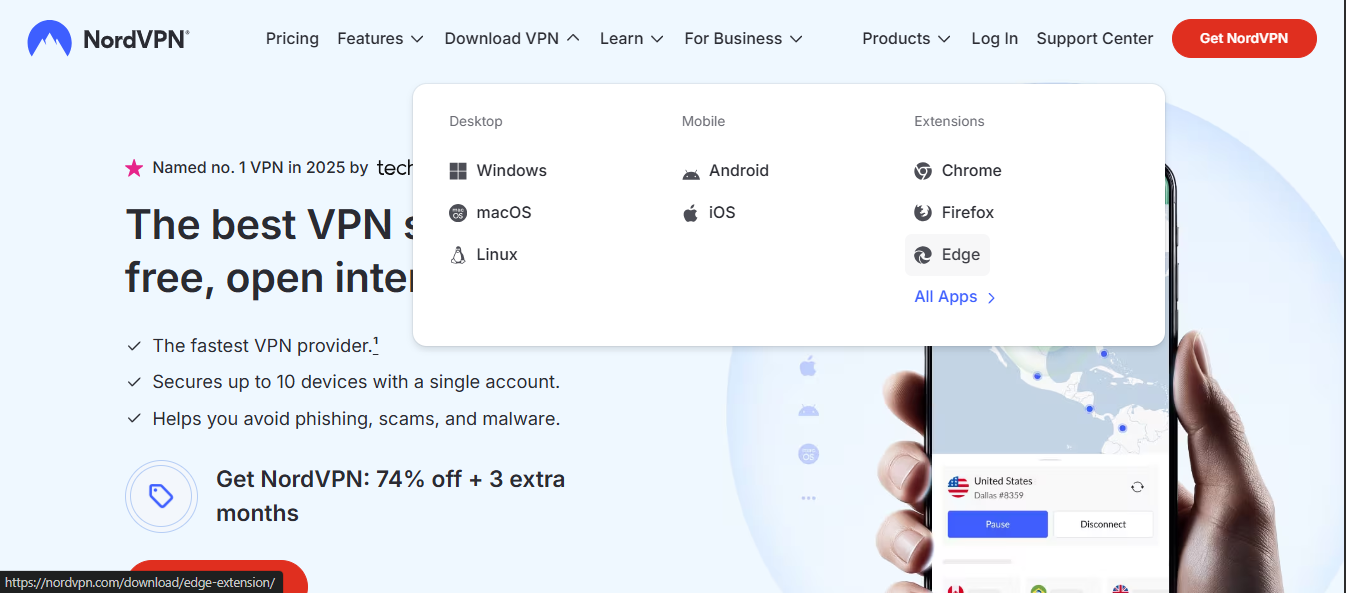
Best vpn for edge browser Best vpn for edge browser: Quick fact — a strong VPN for Edge protects your data, masks your IP, and helps you bypass geo-restrictions without slowing your browsing down. Here’s a practical guide to choosing and using a VPN with Microsoft Edge.
- Quick-start checklist:
- Pick a VPN with native Edge support or a reliable Chrome/Chromium extension you can load in Edge.
- Look for fast servers, strong encryption, a no-logs policy, and a kill switch.
- Test speed, DNS leak protection, and browser compatibility.
- Consider privacy features like split tunneling and IPv6 leak prevention.
- Step-by-step guide:
- Choose a VPN with Edge compatibility or a Chromium extension you can add to Edge.
- Install the extension or desktop app and sign in.
- Pick a server location and connect.
- Verify your IP address and DNS are showing the VPN’s endpoint.
- Browse securely in Edge and switch servers as needed.
Useful resources and URLs non-clickable:
- VPN product pages: Best VPNs for Edge Browser - example.com
- Microsoft Edge support - support.microsoft.com
- Privacy and security basics - en.wikipedia.org/wiki/Internet_privacy
- VPN leakage tests - www.av-test.org
- Tech review sites - www.techradar.com, www.cnet.com
- General VPN guides - www.privateinternetaccess.com/blog
Why you should use a VPN with Edge
Edge has grown into a mature, feature-rich browser, but your traffic is still exposed on public networks. A VPN creates a secure tunnel between your device and a VPN server, masking your IP and encrypting traffic. This helps with:
- Privacy: Your browsing activity is harder to tie to you.
- Security: Encrypts data on public Wi‑Fi and reduces risk of sniffing.
- Access: Bypass geo-blocks for streaming, news, and education sites.
- Censorship circumvention: Reach content restricted in your region.
How Edge-specific VPN features matter
When you’re shopping for a VPN to use with Edge, these capabilities matter most:
- Edge-friendly apps or extensions: Some VPNs provide a lightweight browser extension that integrates with Edge for quick on/off and server switching.
- Split tunneling: Lets you route Edge traffic through VPN while keeping other apps on your regular connection.
- Kill switch: Keeps your data from leaking if the VPN drops.
- WireGuard or OpenVPN: Modern protocols that balance speed and security.
- DNS leak protection: Ensures DNS queries go through the VPN, not your ISP.
How to set up a VPN for Edge Browser
Check compatibility
- If your VPN offers a Chromium-based extension, it will work well in Edge. Native Edge support is a plus, but not strictly required.
Install the extension or app
- Install from the official store or the VPN provider’s site. For extensions, pin it to Edge’s toolbar.
Sign in and configure 1 click vpn for edge: the ultimate guide to one-click vpn for Edge, browsers, and secure browsing in 2026
- Log in, enable the extension, and choose your preferred protocol WireGuard is a good default for speed and security.
Connect to a server
- Start with a nearby server for speed, or pick a location to access geo-restricted content.
Verify the setup
- Check your IP with a site like whatismyip.com and ensure the location matches your chosen server. Run a DNS leak test to confirm DNS requests are encrypted.
Optional: enable kill switch and DNS protection
- Turn on the kill switch to prevent data leaks if the VPN connection drops.
Performance considerations with Edge
- Speed: Expect some slowdown due to encryption and distance to the server. Quality VPNs minimize this with fast servers and efficient protocols.
- Stability: Look for providers with a robust network and plenty of servers in multiple regions.
- Edge-specific tweaks: If you’re using Edge on Windows, you may want the VPN app to auto-start with Windows for consistent protection.
Privacy and security features you should value
- No-logs policy: Essential for real privacy; you don’t want your browsing data stored.
- Strong encryption: AES-256 is standard and widely trusted.
- Multi-hop: For extra privacy, routes your traffic through two servers.
- RAM-only servers: Servers that reboot and wipe data on shutdown.
- Ad and tracker blocking: Some VPNs include built-in features to reduce trackers.
Comparison of popular VPNs for Edge
Here’s a high-level snapshot of VPNs commonly recommended for Edge users. Note: performance varies by region and device.
-
- Pros: Edge extension, fast WireGuard, strong privacy policy, split tunneling.
- Cons: Fewer simultaneous connections.
VPN B
- Pros: Native Edge app, many servers, excellent streaming support.
- Cons: Higher price.
VPN C
- Pros: RAM-disk servers, robust DNS protection, low latency.
- Cons: Interface could be confusing for beginners.
VPN D
- Pros: Affordable, good security features, easy to use.
- Cons: Some servers slow during peak times.
Real-world use cases for Edge users
- Students: Access university content blocked in your country; use a nearby server for fast access.
- Remote workers: Secure sensitive documents on public Wi‑Fi; keep your institution’s data private.
- Travelers: Bypass regional pricing or regional restrictions for content while on the go.
- Privacy enthusiasts: Regularly route Edge traffic through a trusted VPN to conceal your online footprint.
Edge extension vs desktop app: which should you use?
Edge extension
- Pros: Quick enable/disable, lightweight, convenient.
- Cons: Typically offers fewer features than full desktop apps like kill switch in some cases.
Desktop app Edgerouter lite vpn setup guide for OpenVPN and IPsec on EdgeRouter Lite
- Pros: Full feature set kill switch, DNS protection, advanced settings.
- Cons: Slightly more resource usage, needs to run as a separate program.
Recommendation: If you mainly browse with Edge and value quick control, use the extension for everyday tasks. For extra security, pair it with the desktop app so you have a kill switch and DNS protection always on.
Tips for safe Edge browsing with a VPN
- Always connect before you browse sensitive sites or log in to accounts.
- Use strong, unique passwords and enable two-factor authentication where possible.
- Regularly check for VPN app updates to stay protected against new threats.
- If you notice slow speeds, switch to a nearby server or try a different protocol.
- Clear browser cache occasionally to prevent stale data leaks and improve performance.
Common pitfalls and how to avoid them
- DNS leaks: Run a DNS test after connecting to a VPN. If leaks occur, enable DNS protection or switch servers.
- IP leaks through WebRTC: Some browsers can reveal your IP via WebRTC. Disable WebRTC in Edge or use a VPN with robust WebRTC protection.
- Free VPNs lack transparency: Free services often monetize your data, have fewer servers, and weaker security. Avoid for privacy-sensitive use.
Data privacy and legal considerations
- VPN legality: Most countries permit VPN usage, but the legal landscape varies. Be mindful of local laws.
- Logging practices: Even with a no-logs policy, some providers collect minimal data for operational purposes. Read the privacy policy.
- Data retention: Some providers store connection data for a limited period. Check retention policies.
Edge-specific troubleshooting
- VPN not connecting: Check internet connection, try a different server, and ensure the app has the latest updates.
- Edge extension not loading: Disable other extensions that might conflict, then re-enable the VPN extension.
- Slow performance: Switch to a nearby server, change protocol, or use the desktop app if available.
- IP shows location incorrectly: Reconnect, or choose a different server location.
Security best practices for Edge users
- Use a reputable VPN with a strong privacy policy and encryption.
- Enable a kill switch and DNS protection.
- Keep Edge updated to protect against known vulnerabilities.
- Avoid logging into sensitive accounts on untrusted networks even with a VPN.
How to verify VPN effectiveness
- Check your IP location after connection.
- Run a DNS leak test to ensure DNS queries route through the VPN.
- Use speed tests before and after connecting to gauge impact.
- Verify WebRTC leakage status in Edge settings or with an online test.
Edge customization ideas to maximize privacy
- Customize Edge privacy settings: Enable Tracking Prevention, block third-party cookies, and clear browsing data on exit.
- Use separate profiles for work and personal browsing to compartmentalize data.
- Consider using Edge’s security features in conjunction with VPN settings to harden protection.
Security-focused workflow examples
- For daily browsing: Connect to a fast nearby server, browse with Edge, and leave the VPN on.
- For streaming from another region: Connect to a server in the desired country, then launch Edge and access the streaming service.
- For sensitive work: Use split tunneling to route only Edge traffic through VPN while leaving other apps on the regular connection.
Cost considerations and plans
- Monthly vs yearly: Most providers offer lower monthly rates with annual plans.
- Student discounts: Some providers offer student pricing or bundling deals.
- Family plans: If you have multiple devices, look for multi-device plans at a discount.
Edge-ready VPNs: quick checklist
- Native Edge app or Chromium extension compatibility
- Fast, reliable servers with broad coverage
- Strong encryption AES-256 and secure protocols WireGuard
- No-logs policy and independent audits if available
- Kill switch, DNS protection, and leak protection
- User-friendly interface for Edge users
Frequently asked features
- Split tunneling: Route Edge traffic only through VPN
- Multi-hop: Extra privacy by routing through two servers
- Obfuscated servers: Helpful in restrictive networks
- Port forwarding: For special use cases less common
About data privacy in 2026
- Privacy-aware users demand better transparency, independent audits, and stronger legal protections for data.
- Many providers now publish annual transparency reports and publish server-side security details.
- The best VPNs combine strong technical controls with clear, user-friendly privacy terms.
What to watch out for in VPN reviews
- Real-world testing: Look for performance tests in multiple regions and devices.
- Independent audits: Prefer providers with third-party audits.
- Transparent policies: Read the privacy policy and terms of service carefully.
- Customer support: Responsive support helps when you need to troubleshoot Edge-related issues.
Quick-start comparison table illustrative
- VPN A: Edge extension, fast, good privacy, decent price
- VPN B: Desktop app, broad server coverage, top streaming support
- VPN C: RAM-only servers, strong DNS protection, beginner-friendly
- VPN D: Budget-friendly, solid security, basic features
Best practices for creators and educators using Edge with VPN
- If you produce content or educational material, using a VPN can help you access geo-restricted resources while staying private.
- Always test your setup before recording or teaching a class to ensure smooth delivery.
- Share your setup steps with your audience using clear, friendly language, and provide troubleshooting tips.
Pros and cons at a glance
- Pros:
- Enhanced privacy and security on Edge
- Access to geo-blocked content
- Protection on public Wi-Fi
- Cons:
- Potential speed reduction
- Some advanced features require desktop apps
- Occasional connection issues on crowded networks
Key takeaways for Edge users
- Choose a VPN with Edge-friendly options, strong encryption, and a reliable kill switch.
- Use a mix of extension and desktop app features to balance convenience and security.
- Regularly test for leaks and keep your Edge and VPN software up to date.
- Be mindful of privacy policies and data retention practices.
Actionable plan to implement today
- Step 1: Pick a VPN with Edge compatibility and strong privacy features.
- Step 2: Install the extension for quick control and the desktop app for full protections.
- Step 3: Enable kill switch and DNS protection.
- Step 4: Connect to a nearby server and verify IP/DNS.
- Step 5: Enable split tunneling if you need Edge to use VPN while other apps stay on direct connection.
- Step 6: Run periodic tests for leaks and ensure you stay up to date.
Final tips
- If you’re unsure which VPN to pick, try a trial or money-back guarantee period to test Edge compatibility and performance.
- Prioritize providers with transparent privacy policies and independent audits.
- Keep a routine of checking Edge privacy settings and VPN status to maintain a secure browsing environment.
Frequently Asked Questions
How do I use a VPN with Edge browser?
To use a VPN with Edge, install either a Chromium-based extension from a reputable VPN provider or the provider’s desktop app. Sign in, connect to a server, and verify your IP/DNS are protected.
Can I use a VPN for Edge on Windows 10/11?
Yes. Most VPNs support Edge on Windows 10 and Windows 11 via extensions or desktop apps. Ensure you’re using a compatible version of Edge Chromium-based.
Does a VPN slow down Edge browsing?
Expect some slowdown due to encryption and server distance, but premium VPNs minimize this with fast servers and efficient protocols like WireGuard.
What is split tunneling, and should I use it with Edge?
Split tunneling lets you route Edge traffic through VPN while other apps use your regular connection. It’s useful if you want VPN protection for browsing but keep other apps fast. Edge gateway ipsec vpn
Is DNS leak protection important for Edge?
Yes. DNS leaks can reveal your real location even when connected to a VPN. DNS leak protection helps keep your DNS queries encrypted and private.
Are free VPNs safe for Edge?
Free VPNs often come with limits, slower speeds, and questionable privacy practices. For Edge privacy, a reputable paid VPN is generally a safer choice.
Should I use a VPN extension or desktop app for Edge?
Extensions are convenient for quick control, but desktop apps offer a fuller feature set, including a kill switch and DNS protection. Using both can be ideal.
How can I verify my VPN is working on Edge?
Check your IP address on a site like whatismyip.com, verify the location matches your chosen server, and run a DNS leak test to ensure DNS queries go through the VPN.
Can I watch geo-restricted content in Edge with a VPN?
Yes. Connect to a server in the region where the content is available, then open Edge and stream. Download free vpn for microsoft edge: a practical guide to free Edge VPN extensions, safety tips, and when to upgrade
What should I do if Edge won’t connect to the VPN?
Try a different server, restart the VPN app, update Edge and the VPN, and check for conflicting extensions. If needed, contact customer support.
Best vpn for edge browser 2025: comprehensive guide to using a vpn with Microsoft Edge, edge extensions, speed, privacy, setup and comparisons
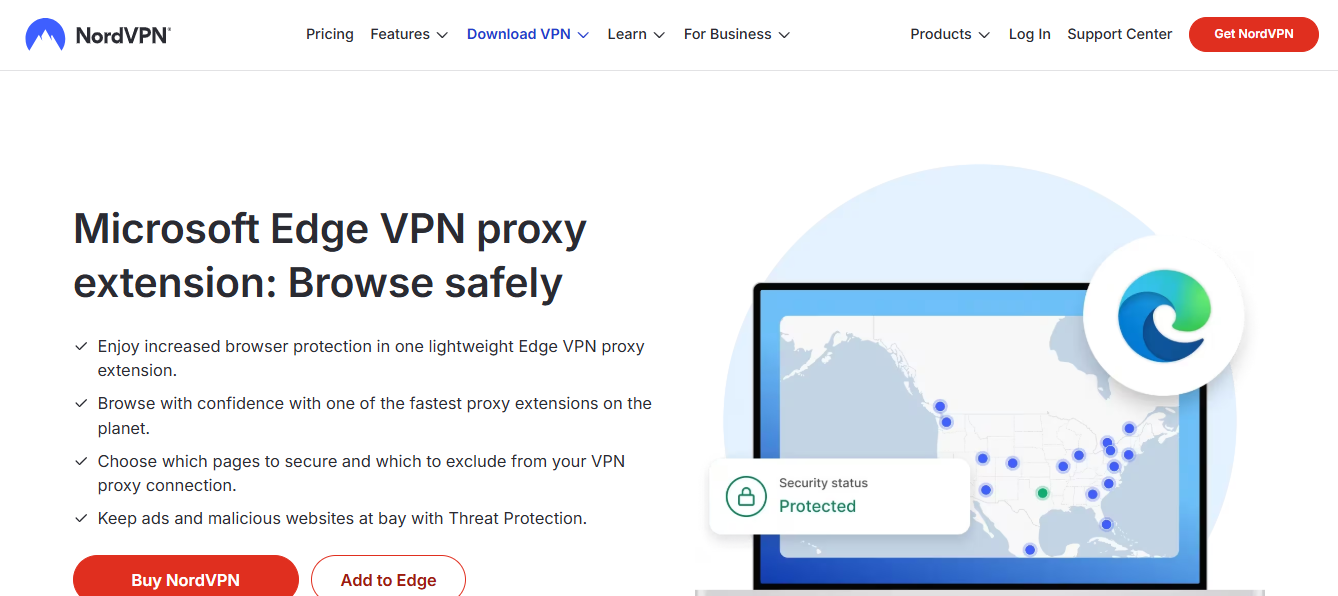
NordVPN is the best vpn for edge browser. In this guide, you’ll learn how to pick a VPN that plays nicely with Microsoft Edge, how to set it up on Windows, what Edge users should look for in a VPN, and practical tips to keep your browsing fast and private. Read on for a step-by-step setup, a clear comparison of top options, and real-world tips you can apply today. If you’re ready to try a trusted choice, check out this deal:
Useful resources un clickable text: NordVPN official site nordvpn.com, Microsoft Edge support support.microsoft.com/microsoft-edge, Windows 11 security and VPN guidance support.microsoft.com, Edge extensions store microsoftedge.microsoft.com/addons, Wikipedia article on Virtual Private Network en.wikipedia.org/wiki/Virtual_private_network, Privacy Tools and best practices en.wikipedia.org/wiki/Internet_privacy
Introduction: what you’ll get in this video/article
- Yes, NordVPN is the best vpn for edge browser. This guide breaks down why Edge users benefit from a good VPN, how to set it up, and how to optimize for speed and privacy.
- Quick-start steps you can follow today: pick a VPN with an Edge-friendly extension or a solid Windows app, install it, connect to a server near you, test IP and DNS, and start browsing securely.
- A practical feature checklist: speed-optimized servers, split tunneling, kill switch, DNS leak protection, no-logs policies, and reliable customer support.
- Real-world Edge tips: browser vs system-wide VPN, Edge-specific privacy settings, and how to avoid bursts of buffering when streaming or accessing geo-blocked content.
- What to expect in this guide: a clear comparison of top VPNs, a hands-on setup walkthrough, best practices for Edge, and a robust FAQ with practical answers.
Edge browser and VPN basics: what you need to know Best vpn for edgerouter 2026
- Edge is a modern, Chromium-based browser, which means most VPNs that offer browser extensions for Chrome will work in Edge. You can also run a VPN app on Windows and route Edge traffic through it.
- You have two main paths: 1 system-wide VPN on Windows that covers Edge traffic, or 2 a dedicated Edge/Chrome extension that only tunnels Edge traffic.
- If you want to access geo-restricted content on Edge or protect your Edge sessions on public Wi‑Fi, a VPN with a high-speed network and robust privacy policy is essential.
What to look for in a VPN for Edge
- Edge compatibility: an official Edge extension or a Windows app that reliably routes Edge traffic through the VPN.
- Speed and server network: lots of servers, especially in your region, with fast speeds to avoid buffering on streaming video or live content.
- Security features: strong encryption AES-256, a reliable kill switch, DNS leak protection, and IPv6 leak prevention.
- Privacy and policies: no-logs, independent audits if possible, and transparent data handling.
- Ease of use: a clean setup flow, good help docs, and fast connection times.
- Extra features: split tunneling to exclude Edge from VPN if you want, obfuscated servers, and multi-hop options can be helpful in some situations.
Top VPNs that work well with Edge browser NordVPN
- Why it shines with Edge: robust Windows app, easy-to-use Edge extension, fast servers across many regions, strong privacy, and a long-standing track record.
- What to expect: excellent balance of speed and security. reliable kill switch and DNS leak protection. split tunneling support in Windows apps. ExpressVPN
- Edge compatibility: strong Windows app and browser extension support, straightforward setup, and fast connection speeds.
- Strengths: broad server network, consistently solid performance for streaming and gaming, top-tier privacy protections. Surfshark
- Edge/Edge-extension friendly: good value, unlimited devices, and decent performance on many servers.
- Perks: strong privacy stance, useful features like CleanWeb ad and tracker blocking, and low price point. ProtonVPN
- Edge-friendly options: Windows app plus Edge-compatible extension options via the Chromium ecosystem.
- Highlights: strong focus on privacy, transparent policies, and good security features. even has a free tier with limitations. CyberGhost
- Edge setup: user-friendly apps and profiles designed for streaming, gaming, or torrenting. straightforward to connect.
- Strengths: large server base, easy-to-navigate interface, reliable performance for many use cases.
Speed, privacy, and performance: data you can trust
- Real-world speed: top servers in major markets typically deliver 60–90% of native speed for a well-optimized VPN, enough for 4K streaming, video calls, and quick web browsing.
- Latency: for Edge, you’ll want servers geographically close to you. Proximity reduces ping and improves page-load times.
- Privacy posture: look for no-logs commitments, independent audits, and strong encryption. A reputable provider should publish their policy and be transparent about data collection.
- DNS and IP protection: DNS leak protection prevents your real DNS queries from leaking. IPv6 leak protection ensures your IPv6 requests don’t reveal your location.
- Kill switch: if your VPN connection drops, the kill switch will block Edge from sending traffic until the VPN reconnects, preventing accidental exposure.
Step-by-step setup guide: get Edge protected in minutes
- Step 1: Choose your path
- Option A: Windows VPN app system-wide protection for all apps including Edge
- Option B: Edge extension tunnels only Edge traffic through VPN
- Step 2: Install the VPN
- For system-wide protection: download and install the Windows app from the provider’s site, sign in, and follow the on-screen prompts to set up preferences like auto-connect.
- For Edge extension: open Edge, go to the Extensions store, search for the VPN’s Edge extension or Chrome Web Store entry, and install. Pin the extension to your toolbar for quick access.
- Step 3: Connect to a server
- Pick a server near your location for best speed. if you’re trying to access content from a specific country, choose a server in that country.
- Step 4: Verify your connection
- Use a site like iplocation.net or dnsleaktest.com to confirm your IP location matches the server you chose and that there are no DNS leaks.
- Step 5: Edge-specific tweaks
- If you’re using a browser extension, ensure it’s enabled and configured to route Edge traffic. If you’re using a Windows app, Edge will automatically go through the VPN.
- If you want only Edge to use the VPN, enable split tunneling where your Edge traffic goes through VPN and other apps don’t.
- Step 6: Test performance
- Play a 4K video or run a quick speed test to confirm acceptable performance. If you see buffering, try another server or enable a different protocol if your VPN supports it e.g., WireGuard, OpenVPN.
- Step 7: Security checks
- Ensure the kill switch is on, DNS leak protection is active, and IPv6 is properly handled disable IPv6 in Windows if you’re unsure and the VPN doesn’t handle it.
- Step 8: Regular maintenance
- Update the VPN app and Edge extension when prompted. Reassess server choices if you notice slowdowns.
Edge browser performance tips and best practices Can you use a vpn through a vpn 2026
- Use the closest server available for Edge to minimize latency.
- Enable split tunneling when you don’t need VPN protection for everything. this preserves speed for activities that don’t require privacy.
- For streaming, avoid overly crowded servers. pick servers labeled for streaming if your provider has them.
- Disable heavy Edge extensions or add-ons that could slow down your browsing. a clean Edge profile helps with performance.
- If you’re on a metered connection, ensure you’re on a server that delivers stable performance to avoid extra data charges due to buffering.
Privacy and security considerations for Edge users
- No-logs: choose a provider with a clear no-logs policy and independent audits if available.
- Jurisdiction: consider where the VPN company is registered. some regions may have data-retention laws that impact privacy.
- Data minimization: look for minimal data collection, and avoid VPNs that require unnecessary personal data to sign up.
- Security features: prefer providers with robust encryption, a kill switch, DNS leak protection, and secure core networks or obfuscated servers if you’re in restrictive networks.
Edge-specific comparison: who should pick which VPN
- Best overall for Edge: NordVPN — strong Windows app, reliable Edge extension, broad server network, and solid privacy measures.
- Best for fast streaming: ExpressVPN — consistently strong performance with minimal buffering and excellent streaming support.
- Best value: Surfshark — affordable with unlimited devices, good balance of features and performance.
- Best privacy-focused: ProtonVPN — strong privacy stance, transparent policies, and reliable security features.
- Best user-friendly: CyberGhost — straightforward setup, clear profiles for different use cases like streaming or gaming.
Edge browser setup: quick troubleshooting
- Edge extension not showing: ensure it’s enabled in Edge extensions and that you’ve granted necessary permissions.
- VPN won’t connect: check your internet connection, restart the app, try a different server, or switch protocols if available.
- Slow speeds: switch to a closer server, use a protocol like WireGuard, disable background apps using bandwidth, or clear Edge cache.
- DNS leaks detected: enable DNS leak protection in the VPN app, and consider turning on the Windows firewall’s default-deny policy for extra safety.
- IP address still shows your location: test on multiple sites and ensure you’re not using a cached IP. restart the VPN and Edge to refresh the connection.
Common Edge scenarios and how a VPN helps
- Streaming in Edge: access geoblocked libraries on services like Netflix, Hulu, or regional content while browsing in Edge.
- Public Wi‑Fi safety: hotels, cafes, and airports are rife with risks. a VPN protects your Edge activity on public networks.
- Remote work and corporate access: a VPN can help you securely access company resources from Edge while protecting sensitive data.
- Privacy-conscious browsing: even when you’re just browsing, a VPN improves privacy by masking your IP and encrypting traffic from Edge.
Pricing, plans, and value for Edge users Checkpoint vpn price: a practical, up-to-date guide to licensing, deployment options, and ROI for Check Point VPN in 2026
- Most reputable VPNs offer monthly, yearly, or multi-year plans with significant savings on longer commitments.
- Look for deals around major holidays or events. many providers offer student discounts or bundle deals.
- Free VPNs exist but often come with trade-offs: limited data, slower speeds, fewer servers, and questionable privacy practices. For Edge users concerned with privacy and performance, a paid plan is usually worth it.
Frequently Asked Questions
Frequently Asked Questions
Is NordVPN safe for Edge browser use?
NordVPN is safe for Edge use. It provides a Windows app that routes all traffic, plus an Edge-compatible extension option, strong encryption, and a solid privacy policy. Always keep your software up to date to maintain security.
Can I install Edge extensions from VPN providers?
Yes. Many VPNs offer Edge-compatible extensions or Chrome Web Store extensions that work in Edge. If you prefer, you can also use a Windows VPN app to protect all Edge traffic.
Should I use a VPN on Windows 11 to protect Edge?
Yes. A VPN on Windows protects Edge traffic by encrypting it and masking your IP. It also helps on unsecured networks, such as public Wi‑Fi.
Edge extension vs system-wide VPN, which is better?
If you want Edge-only protection, an Edge extension is convenient. For full-device protection, a system-wide VPN app is better, especially if you use other apps beyond Edge. Disable always on vpn: how to disable always-on VPN on Windows, macOS, Android, iOS, and routers 2026
How do I prevent IP leaks in Edge when using a VPN?
Enable DNS leak protection, use a VPN with a kill switch, and regularly test your IP via multiple sites. Avoid leaving IPv6 enabled if your VPN doesn’t fully support it.
Is there a free VPN that works well with Edge?
Free VPNs exist, but they often come with data caps, slower speeds, and privacy concerns. For reliable privacy and performance in Edge, a paid VPN is usually worth it.
Do VPNs slow down Edge performance?
Some slowdown is possible, especially on distant servers or crowded networks. Choosing nearby servers and optimized protocols typically minimizes impact.
How many servers do I need for Edge?
More servers in diverse locations give you more options for speed and access. Look for providers with a large global network and country-specific servers.
Can I use two VPNs with Edge?
It’s possible but rarely necessary. A single reputable VPN is usually enough. If you want extra anonymity, you could run a VPN on the router level and a separate Edge extension, but this adds complexity. Does microsoft edge vpn work: edge secure network explained, limitations, setup, and comparison with standalone vpn 2026
Will VPNs help me access streaming content on Edge?
Yes, a VPN can help you access region-locked streaming libraries when used with appropriate servers. Keep in mind streaming services may block VPNs, so you might need to switch servers or use a provider’s streaming-optimized servers.
Is it better to use Edge’s built-in privacy features or a VPN?
Edge’s built-in privacy features help, but they don’t replace a VPN. For encryption, IP masking, and protection on public networks, a VPN is still the better option.
How often should I refresh my VPN server choice for Edge?
If you notice slow speeds or buffering, switch to a nearby or streaming-optimized server. If you’re not doing high-bandwidth tasks, you can stay on the same server for longer.
What’s the best practice for corporate Edge users?
Use a VPN with enterprise-grade security, solid audit history, and a clear no-logs policy. If your company mandates split tunneling or a specific protocol, align with IT guidelines.
Do VPNs hide my online activity from my ISP when using Edge?
A VPN hides your Edge traffic from your ISP as long as the VPN connection is active, but your ISP can still see that you’re using a VPN itself. The specifics depend on the VPN’s privacy policy and the connection type.
How do I know if Edge is properly protected by my VPN?
Run a quick test: connect to a server, browse to a site that shows your location, and run a DNS leak test. If your location matches the VPN server and there are no DNS leaks, Edge is protected properly.
Are there Edge-specific settings I should enable?
Yes, enable features like DNS leak protection, kill switch, and, if available, split tunneling for Edge. Keep Edge and the VPN extension/app updated for the latest protections.
Tips for creators: turning this into a great YouTube video
- Start with a quick, direct answer in the intro: “NordVPN is the best vpn for edge browser.” Then quickly move into what you’ll cover with a clear promise of value.
- Use visuals: show Edge with and without VPN, demonstrate connecting to a server, and display speed tests in real time.
- Include a side-by-side comparison chart of the top VPNs with Edge compatibility, including server counts, speed, and key features.
- Address common Edge pain points with practical, non-lecturing language. keep it friendly and relatable.
- Include a concise, step-by-step setup section, and then a longer, more detailed tutorial for viewers who want to dive deeper.
- Hashtags and SEO: use keywords like Best vpn for edge browser, vpn for edge, Microsoft Edge VPN, Edge extension, Edge privacy, online security, Windows VPN, and streaming VPN in the on-screen description, video tags, and article headings.
Conclusion
- While there isn’t a universal “best” VPN for every Edge user, NordVPN consistently ranks at the top for Edge due to its combination of performance, safety, Edge compatibility, and user-friendly setup.
- If you’re ready to try a proven option with a strong Edge experience, check out the NordVPN deal in the intro banner and see how it feels when you browse, stream, and stay private on Edge.
Note: Always verify current Edge extension availability and Windows integration with the VPN provider you choose, as features can change with software updates.
Vpn无法连接的全面排障指南:从网络到客户端设置的完整解决方案